

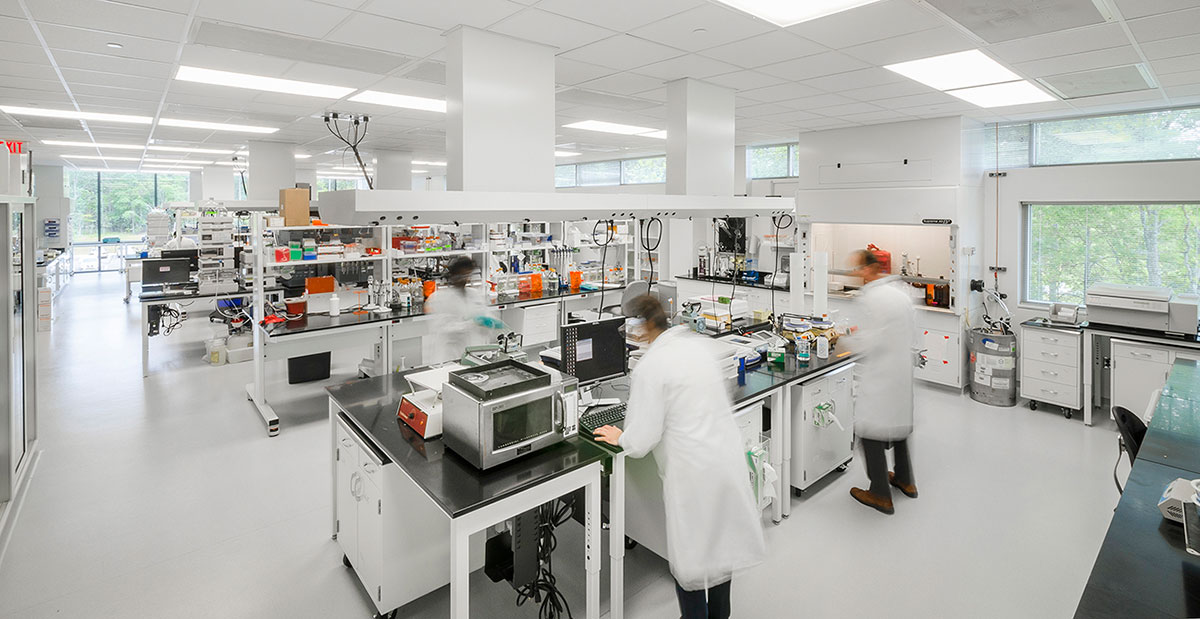
Modern scientific facilities demand precision, safety, and efficiency. This is why Laboratory Engineering has become a crucial discipline in industries such as pharmaceuticals, biotechnology, chemical research, food testing, and environmental studies. A well-engineered laboratory does far more than provide space for equipment—it ensures that workflows are optimized, contamination risks are minimized, and researchers can perform complex work with confidence. Professionals seeking advanced, compliant, and customizable Laboratory Engineering solutions rely on expert planners and engineers who understand both scientific needs and industrial regulations.
The foundation of strong laboratory engineering begins with understanding the purpose of the space. Each scientific field has different requirements for utilities, ventilation, safety systems, environmental control, and equipment layout. By analyzing workflow patterns, material movement, and risk points, engineers design a laboratory that minimizes errors and maximizes efficiency. This process also ensures a clear separation of clean and contaminated areas, reducing cross-contamination and improving safety for both personnel and samples.
Environmental control systems play one of the most important roles in laboratory engineering. These include specialized HVAC systems, HEPA filtration, air pressure differentials, and temperature and humidity regulation. Accurate environmental conditions help protect sensitive instruments, maintain sample integrity, and ensure researcher safety. Without proper engineering, a lab becomes vulnerable to contamination, equipment malfunction, and inconsistent results. Therefore, environmental systems must be perfectly integrated into the engineering layout for maximum reliability.
Safety engineering is another essential pillar. Laboratories handle chemicals, biological materials, volatile substances, and equipment that require strict safety protocols. Proper Laboratory Engineering includes emergency ventilation controls, gas detection systems, eye wash stations, fire-resistant materials, safe storage for chemicals, and compliant waste discharge solutions. These systems ensure that the facility meets local, national, and international safety standards, protecting both workers and the surrounding environment.
Utility integration is equally important. Laboratories need structured lines for power, water, gas, vacuum systems, compressed air, and digital communication networks. Poorly designed utilities can interrupt research, increase downtime, or pose serious safety risks. Engineers use detailed schematics to ensure that utilities are routed efficiently, safely, and with enough flexibility for future upgrades. This future readiness is a core principle of modern engineering, allowing labs to expand or adopt new technologies without costly reconstruction.
Material selection is another crucial factor. Flooring, wall panels, work surfaces, and storage units must be durable, chemical-resistant, and easy to disinfect. High-quality Laboratory Engineering prioritizes materials that enhance cleanliness, durability, and low maintenance, providing long-term value to the facility. Choosing the right materials helps maintain sterile conditions, prevents damage from spills, and supports a safer research environment.
Technology integration is a growing trend in laboratory engineering. Automation systems, smart environmental sensors, digital monitoring platforms, and data connectivity networks are now essential. These tools help track conditions in real time, maintain compliance, and reduce human error. Engineered correctly, these digital components become part of the lab’s core infrastructure, ensuring smooth communication between researchers and devices.
Flexibility and future-proofing are also central goals. Scientific fields evolve rapidly, and laboratories must adapt to new equipment, expanding teams, or changing research priorities. Modular workstations, mobile benches, and adaptable utility grids allow laboratories to adjust without major structural changes. This keeps the laboratory functional and modern for many years.
Ultimately, excellent laboratory engineering ensures that research environments perform consistently, safely, and efficiently. It transforms empty spaces into high-functioning scientific ecosystems designed for discovery, innovation, and long-term operational stability. Organizations that invest in strong engineering enjoy smoother workflows, reduced risks, and improved scientific outcomes.