

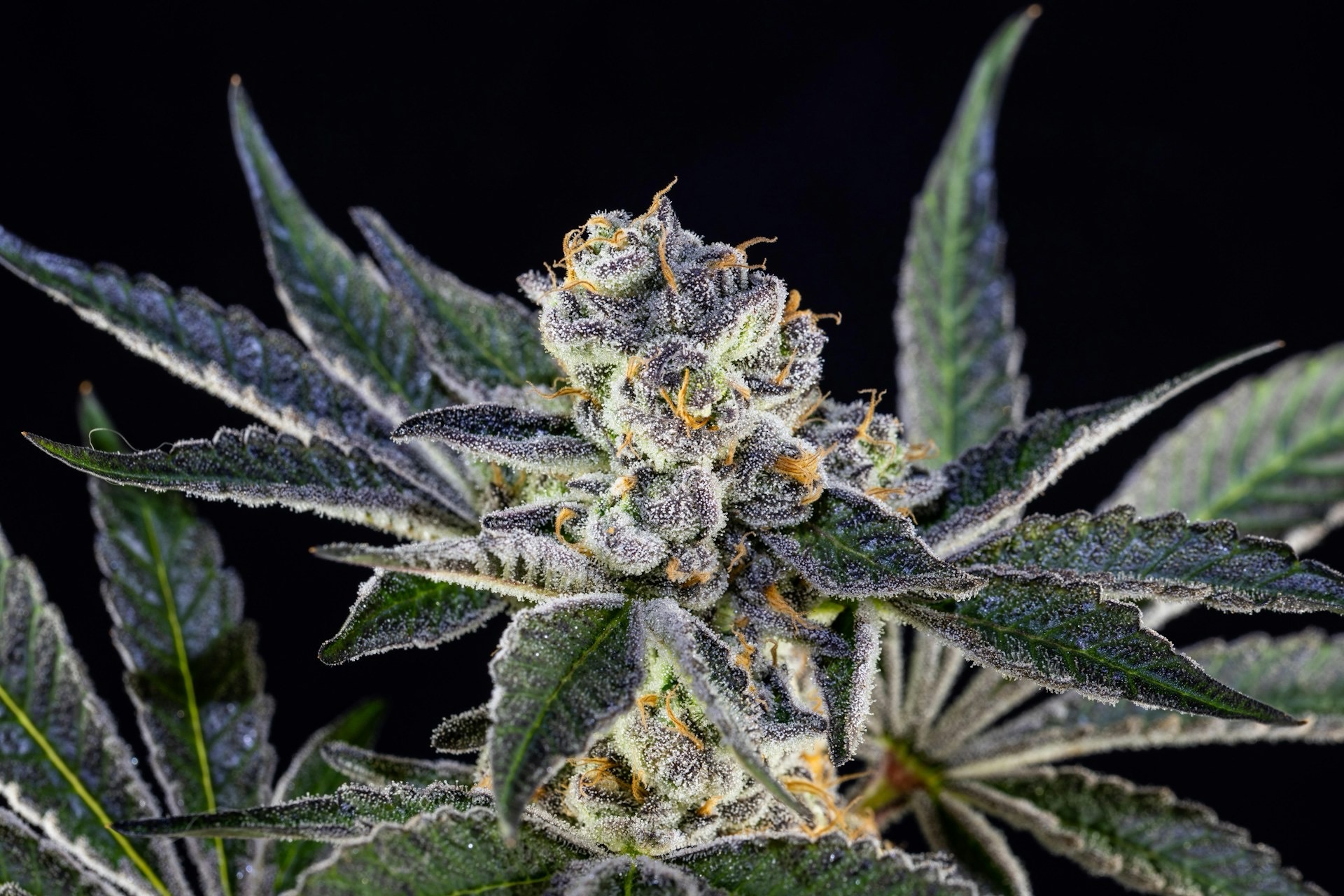
If you suffer from pain and are trying to find a natural solution, you may quickly find yourself navigating the legalities of THCA flowers.
In fact, there are many plants that have medicinal qualities that come under more scrutiny than the rest. While this is sometimes due to a lack of scientific study, other times it’s due to proven negative side effects. Below, you’ll find examples of both.
While it will hopefully answer some questions you have about these natural medicines, it should also make you more cautious as you treat your symptoms. While medications have their negative side effects, plants can, too, and that should never be forgotten or ignored.
THCA Flowers
Flowers and other plant parts with THCA in them are controversial for a couple of reasons. The main reason for the controversy is that THCA becomes THC when heated. This means that if you smoke or even just cook or bake it, you go from having simple pain relief with no added side effects to getting high as though you were smoking marijuana. No matter what you do, there is no way to prevent this reaction.
As a result, THCA flowers experience the same scrutiny as cannabis plants do. In many places where marijuana and THC are banned, these plants aren’t, so you can imagine what happens. This has put both medical experts and lawmakers in a tough spot; marijuana can have real medical benefits, but those looking for a quick trip will find ways to take advantage of whatever system is put in place to administer it. There is unfortunately no winning here for either side.
If you can manage to get some pure, unheated THCA plants, though, then you’ve got some powerful medical benefits at your fingertips. If eaten raw or blended into a smoothie, you can enjoy its anti-inflammatory benefits, which will excite those with arthritis; its ability to reduce how much pain you feel, assisting those with chronic pain; and much more.
THCA may even have a place in treating debilitating conditions like Alzheimer’s and dementia, though more research in this area is required to know for sure. Just make sure to never heat it up or you’ll be getting more than you bargained for.
Kratom
Kratom seems to be one of those run-of-the-mill medicinal plants at first glance. After all, it claims to help boost your mood and energy while relieving pain.
Many will pass it by without a second glance. However, those recovering from an opioid addiction will likely find themselves seriously considering kratom for its main benefit: easing the symptoms of opioid withdrawal. Starting to look closer at the possible effects of this plant is where your concerns may begin to rise, though.
Most plants used for mood or energy boosting fall into one of two categories: sedative or stimulant. Since stimulants can make you more alert and give you more energy while sedatives relax you and make you calm, it’s difficult for one plant to do both at the same time.
Yet, kratom can based on how large your dose is. Combine this with the fact that some people who sell extracts add more of the active ingredient than the plant has and you can start to see where problems arise.
Those who take too much may experience high blood pressure, random muscle pain, nausea, drowsiness and more. While kratom can have positive effects for some people, the potential for negative effects is high and must be seriously considered before you start taking it.
Shankhpushpi
If you struggle with insomnia or memory and look into herbal remedies for these conditions, you may encounter shankhpushpi, either by this name or one of its many others.
It is believed to help those with insomnia find rest, help those experiencing stress and anxiety relax, aid in diabetes control, and even improve your memory and brain function. All of these effects, which only scratch the surface of what this plant may be able to do, are obviously highly sought after.
However, there are some negative side effects of shankhpushpi and its supplements and teas that must be watched for if you decide to try and take some. Those taking anti-seizure medicines in particular should probably avoid these supplements because they can reduce how well those medications are absorbed.
The results of poor absorption are fairly obvious: the medicine won’t be able to do what it’s supposed to as well as anticipated and might cause you to have more seizures as a result. The plant also lowers blood pressure by a bit.
While many people won’t see many issues with this so long as they’re aware of this side effect and are careful, people with naturally low blood pressure or who are taking medicine to reduce their pressure may need to steer clear of it as well. If you really feel like it could help you, then talk to your doctor about it first and follow whatever advice they give you.
Comfrey
Comfrey has a lot of medicinal benefits, though the leaf and root extracts are mainly used to alleviate joint pain and help the body heal wounds.
However, you should never consume the leaves or roots of the plant because they are highly toxic when eaten. The toxins attack the liver specifically and can cause all sorts of problems, from pain in your abdomen to jaundice or even liver failure in extreme cases.
The good news is that these horrible side effects only occur if you eat or drink comfrey, so while teas, capsules, and the plant itself may be banned in certain countries and states, the extracts are able to be topically applied safely and are usually permitted.
Ointments, salves, creams and more may all contain comfrey as a result. And, of course, you could still be allergic to these topical applications. If your skin starts to burn or itch after you apply it, wash it off quickly and avoid using it again.