

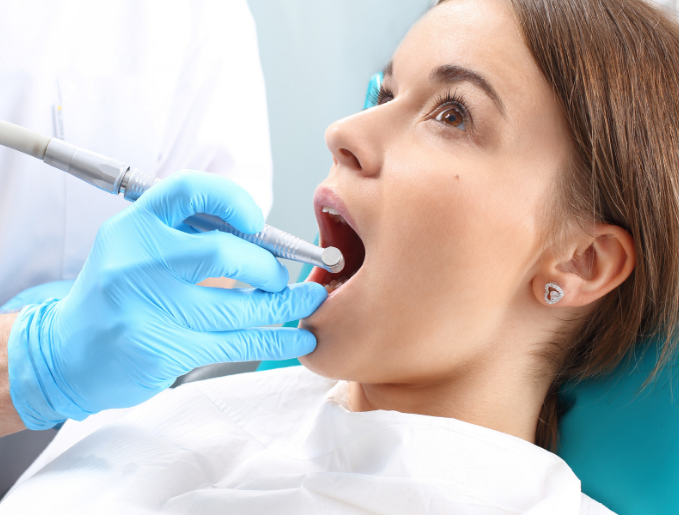
Dental bridges and crowns are common restorative dental treatments that can significantly improve the appearance and functionality of your smile. Whether you have recently received dental bridges or have been enjoying their benefits for some time, it’s essential to know how to care for them to ensure their long-lasting results properly. At Clock Dental Practice, we are committed to helping our patients achieve optimal oral health. This article will provide you with essential tips on maintaining your dental bridges for a beautiful and healthy smile.
Understanding Dental Bridges and Their Importance
Dental bridges are prosthetic devices that replace one or more missing teeth. They consist of artificial teeth, known as pontics, anchored to neighbouring teeth or dental implants. Dental bridges restore your ability to chew and speak correctly, prevent the surrounding teeth from shifting, and maintain the natural shape of your face.
Proper Oral Hygiene for Dental Bridges:
Brushing: Brush your teeth at least twice daily using a soft-bristle toothbrush. Pay special attention to the areas around the dental bridge, ensuring you clean both the artificial and supporting teeth or implants. Use gentle, circular motions to clean all surfaces thoroughly.
Flossing: Flossing is crucial for maintaining oral hygiene, especially around dental bridges. Use a floss threader or a specialised floss designed for bridges to clean under the pontic and along the gum line. This helps remove plaque and food particles that may accumulate in hard-to-reach areas.
Rinse with Mouthwash: Rinse your mouth with an antiseptic mouthwash after brushing and flossing. This helps reduce bacteria and freshen your breath. Choose a mouthwash recommended by your dentist, and swish it around your dental bridges to thoroughly clean the area.
Dietary Considerations:
Avoid Sticky and Hard Foods: Be cautious when consuming sticky or hard foods, as they can dislodge or damage your dental bridges. Examples include chewing on ice, gummy candies, or hard nuts. If you enjoy eating these foods, try to cut them into smaller, more manageable pieces.
Limit Sugary and Acidic Foods: Sugary and acidic foods can contribute to tooth decay and gum disease, compromising the longevity of your dental bridges. Limit your intake of sugary snacks, carbonated beverages, and acidic fruits. If you consume them, rinse your mouth with water afterwards or brush your teeth if possible.
Regular Dental Check-ups:
Routine dental check-ups are essential for monitoring the condition of your dental bridges and overall oral health. During these visits, your dentist will examine your dental bridges, clean them professionally, and address any concerns or issues. Regular dental check-ups allow early detection and prompt treatment of potential problems, ensuring the long-term success of your dental bridges.
Avoid Bad Habits:
Certain habits can negatively impact the durability and functionality of dental bridges. Avoid the following habits to maintain the integrity of your dental bridges:
Teeth Grinding (Bruxism): Teeth grinding can exert excessive force on your dental bridges, leading to fractures or loosening. If you tend to grind your teeth, consider wearing a nightguard to protect your dental bridges while you sleep. Consult your dentist for a custom-made nightguard.
Chewing on Non-Food Items: Avoid chewing on pens, pencils, or other non-food items, as this can put unnecessary stress on your dental bridges and increase the risk of damage.
Conclusion:
Proper care and maintenance are crucial for the longevity and functionality of your dental bridges. By following the tips provided by Clock Dental Practice, you can ensure that your dental bridges remain in excellent condition, allowing you to enjoy a beautiful and healthy smile for years to come. Remember to maintain a diligent oral hygiene routine, make healthy dietary choices, attend regular dental check-ups, and avoid harmful habits. If you have any concerns or questions about your dental bridges or crowns, don’t hesitate to consult your dentist at Clock Dental Practice for personalised guidance and care.