

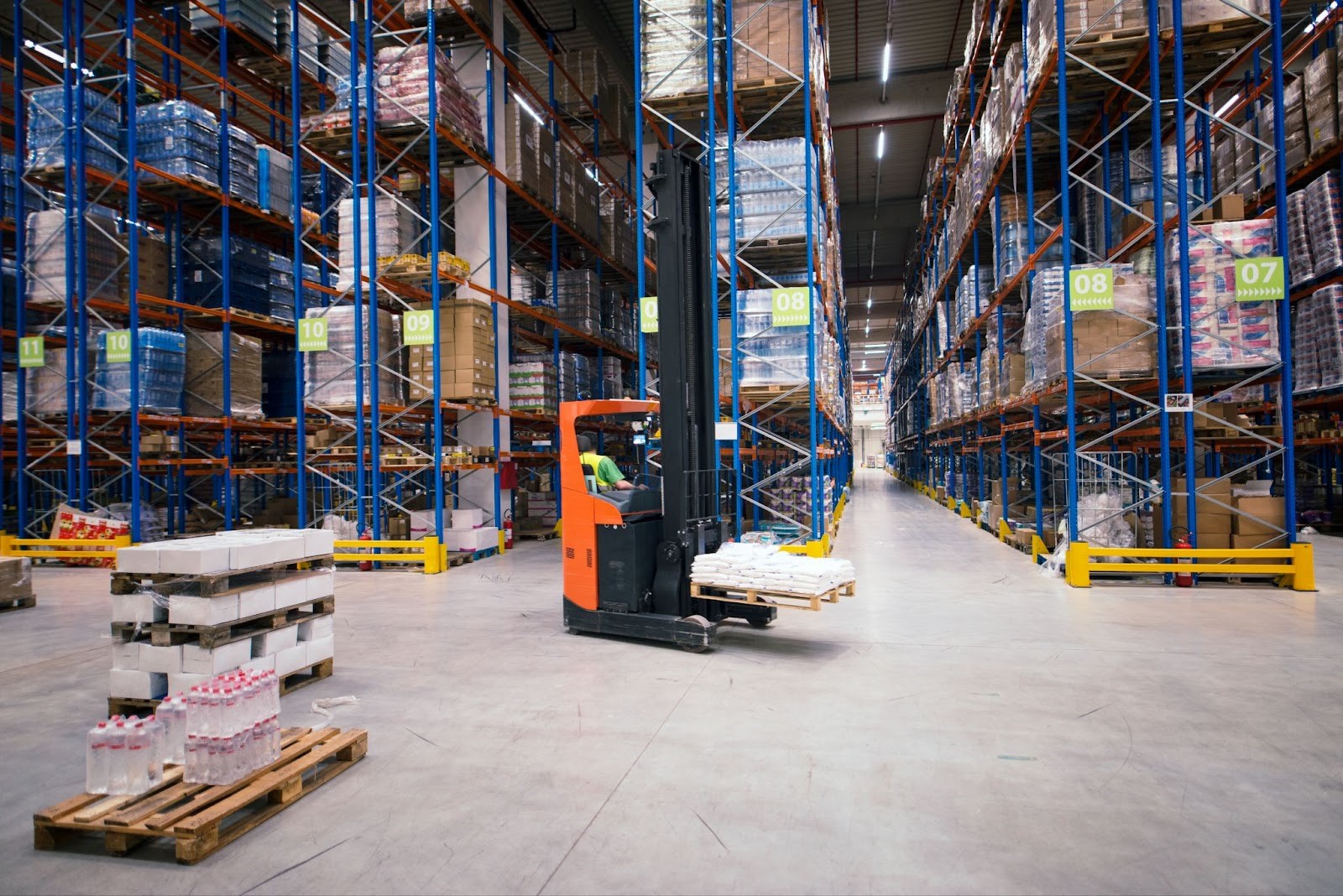
Let’s keep it real—forklifts aren’t something you think about until you need one. And when that moment comes, it usually means business is growing, you’ve got more orders than ever, or your old machine just gave up mid-shift.
Either way, you’re staring down a decision: drop a load of cash on something new, or find a smarter way to stretch your budget. So let’s talk about how you can do the same.
This guide isn’t just about why used forklifts are worth it—it’s about how to buy smart, dodge common traps, and make every dollar you spend count.
Are New Forklifts Pricey?
Yeah. Brand-new forklifts come with a premium price tag that can hit anywhere from $20,000 to $50,000+, and that’s just the machine. Throw in the extras—like add-ons, warranty, and maintenance—and it starts feeling more like buying a car than a piece of warehouse equipment.
But here’s the thing: do you really need the newest bells and whistles? If your daily tasks are straightforward, lifting pallets, moving stock, handling basic warehouse work—why pay for tech you won’t even use?
Used forklifts take the edge off that price without taking away the performance. They’ve already done the heavy lifting (literally), and they’re more than capable of doing it again.
What Happens When You Buy the Wrong Used Forklift
Let’s not sugarcoat it. Buying the wrong used forklift? Total headache. It’s like buying a secondhand car with a dodgy engine. Sure, it looks fine for the first week—then it stalls, leaks, or worse, becomes a money pit.
One guy we worked with picked up a forklift from a classified ad. No inspection, no questions asked—just a deal that looked too good to pass up. Within a month, the brakes were shot, and the lift mechanism jammed mid-operation. Turns out, it had been sitting out in the rain for a year. Ouch.
Here’s what usually goes wrong:
- No service history. That’s like buying blind.
- It’s not fit for your workload. Maybe the capacity’s too low, or it’s the wrong fuel type.
- Hidden damage. Rust, leaky hydraulics, or dodgy tires can lead to expensive repairs.
So yeah, buying used doesn’t mean buying carelessly. That’s how costs creep up and ROI goes out the window.
How to Make Smart Investments in Used Forklifts
Alright, let’s get into the good stuff. If you want to buy smart, here’s how you do it.
1. Know what you need
Think about your space. Tight aisles? Go compact. Heavy lifting? You’ll need higher capacity. Indoors? Go electric. Outdoors? You might need diesel or LPG. Matching the forklift to your actual work is key.
2. Work with trusted dealers.
Facebook Marketplace isn’t the place for this. Find a dealer who knows their stuff, offers warranties, and isn’t cagey about service records.
3. Do a proper check.
Bring a mechanic if you can. Look at:
- Tire wear.
- Mast and forks.
- Hydraulic system.
- Brake and steering response.
- Battery condition (if electric).
4. Ask questions
Lots of them. Has it been serviced regularly? Any major repairs? Why is it being sold? If something feels off, it probably is.
Why Used Forklifts Can Deliver a Better ROI Than You Think
Let’s talk numbers. Buying used instantly cuts your upfront investment, sometimes by half or more. That means you hit your break-even point way sooner, especially if the machine’s in great shape.
Plus, used forklifts don’t depreciate as fast. You’re not losing thousands just because the forklift rolled off the lot. And if you maintain it well, you can even resell it later for close to what you paid.
Conclusion
Used forklifts aren’t just some budget-friendly backup plan—they’re a practical, reliable choice for businesses that want to grow without blowing the bank.
And when you’ve got the right partner on your side, like PRG Equipment, the whole process becomes smoother, smarter, and straight-up better.
From quality checks to tailored advice and real customer support, they’ve helped countless businesses make smart, large-capacity forklift investments that paid off big time.
FAQ’s
Q1: Are used forklifts safe to operate?
Ans: Yes—if they’re properly maintained and pass inspection. Always check service logs and inspect before buying.
Q2: How long does a used forklift typically last?
Ans: If it’s been cared for, you can get 5–7 years easily. Some even last longer with regular maintenance.
Q3: Electric or diesel—which is better for used forklifts?
Ans: It depends. Electric is cleaner and quieter—perfect for indoors. Diesel or LPG is better for outdoor, heavy-duty work.
Q4: Where can I buy reliable used forklifts?
Ans: Certified dealers, trusted online platforms, or local equipment suppliers with solid reviews are your best bet.
Q5: What’s the biggest mistake people make when buying used forklifts?
Ans: Skipping the inspection or buying based on price alone. Always inspect and understand what you’re getting.