


In recent years, medicinal cannabis has gained recognition as a therapeutic alternative for a variety of health conditions. From chronic pain relief to anxiety management, cannabis offers properties that could replace certain merahtoto prescription medications. However, it’s essential to understand how it interacts with other substances and whether it can substitute drugs like benzodiazepines. This article explores how medicinal cannabis interacts with other drugs, its potential to replace certain medications, and its role as an alternative to benzodiazepines.
Can Medicinal Cannabis Replace Certain Prescription Medications?
Prescription medications are essential for treating a variety of conditions, but long-term use can carry side effects and risks of dependency. In this context, medicinal cannabis presents itself as a viable alternative, especially for those seeking more natural options or wanting to reduce their dependency on pharmaceutical drugs.
Cannabis as a Substitute for Painkillers
One of the most common uses of medicinal cannabis is as a painkiller. Studies have shown that cannabinoids, such as THC (tetrahydrocannabinol) and CBD (cannabidiol), can alleviate chronic pain associated with conditions like arthritis, fibromyalgia, and neuropathic pain. Moreover, research conducted in countries like Canada and the United States indicates that cannabis can be a safe option for those who wish to reduce their consumption of opioid painkillers, known for their high dependency potential and severe side effects.
In a study published in The Journal of Pain, it was found that cannabis, especially CBD, could relieve chronic pain without the side effects associated with opioids. This ability to reduce or replace traditional pain medications suggests that cannabis could be a safer option for long-term pain management.
Replacing Psychiatric Medications
Cannabis has also proven effective in treating psychiatric disorders like anxiety and depression, raising the possibility of replacing certain medications such as antidepressants and anxiolytics. CBD’s ability to interact with brain receptors related to mood regulation makes it a promising candidate for replacing more traditional treatments.
A study conducted by the University of São Paulo found that CBD had significant anxiolytic effects without the side effects of conventional medications like benzodiazepines. This suggests that in some cases, medicinal cannabis could be a viable option to replace these drugs, especially when patients seek to reduce their use of chemical medications.
Cannabis Interaction with Other Drugs
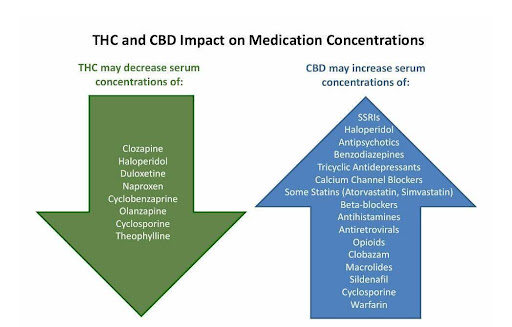
It’s crucial to understand how cannabis interacts with other substances, as this can modify the effects of both. Cannabis can enhance the effects of sedatives and central nervous system depressants, which could be dangerous when combined with medications like benzodiazepines. Additionally, combining cannabis with alcohol can increase the likelihood of experiencing dizziness and vomiting, according to reports from Energy Control.
Therefore, patients must inform their doctors about merahtoto any medications or substances they are consuming to avoid adverse interactions. Medical supervision is crucial to ensure the safe and effective use of medicinal cannabis.
Cannabis and Benzodiazepines
Benzodiazepines, such as diazepam and lorazepam, are commonly prescribed to treat anxiety and sleep disorders. However, long-term use of these medications can lead to dependency and side effects like excessive sedation, memory loss, and difficulty coordinating. Here, medicinal cannabis could offer a safer alternative.
Cannabidiol (CBD), a non-psychoactive compound in cannabis, has shown anxiolytic effects, meaning it helps reduce anxiety without the risks associated with benzodiazepines. A 2019 study published in The Permanente Journal revealed that CBD significantly reduced anxiety levels in patients with generalized anxiety disorder, suggesting that cannabis could play an important role as an anxiolytic in the future.
Cannabis and Alcohol
Another important interaction to consider is the combination of cannabis and alcohol. While both can have sedative effects, combining them can increase the risk of adverse effects like dizziness, nausea, and decreased motor coordination. A study by the University of Washington showed that consuming alcohol and cannabis together could lead to amplified depressive effects on the central nervous system, which could be dangerous, especially if consumed in large quantities.
Interactions with Psychoactive Medications
Cannabis can also interact with psychoactive medications, including antidepressants and antipsychotics. THC, the primary psychoactive compound in cannabis, may enhance the effects of these drugs, which could be beneficial in certain cases. However, there could also be risks of overdose on sedative effects or an increased intensity of psychoactive effects. Therefore, patients on psychoactive medications should exercise caution when incorporating cannabis into their treatment, and always do so under the supervision of a healthcare professional slot gacor.
Cannabis as an Alternative to Benzodiazepines
The potential for cannabis to replace benzodiazepines as a treatment for anxiety has generated significant interest in the medical community. Benzodiazepines are effective in controlling anxiety, but long-term use can lead to dependence and serious side effects. In contrast, cannabis, particularly CBD, has proven to be a promising therapeutic option with fewer associated risks.
CBD as a Natural Anxiolytic
CBD interacts with receptors in the brain’s endocannabinoid system, helping to regulate mood and reduce anxiety without the side effects of traditional medications. A study conducted by the University of Sao Paulo in 2017 found that CBD was as effective as benzodiazepines in reducing anxiety in patients with social anxiety disorder, without the sedative or addictive side effects.
Gradual Reduction of Benzodiazepines
For those wishing to reduce or eliminate their use of benzodiazepines, medicinal cannabis could be a viable option. Under the supervision of a doctor, patients could gradually replace benzodiazepines with cannabis, Mahjong Ways offering a safer approach to managing anxiety over the long term.
Conclusion
Medicinal cannabis offers significant potential as a therapeutic alternative to certain prescription medications, including painkillers and anxiolytics. Its ability to interact with the endocannabinoid system and modulate various physiological functions makes it a viable option for replacing some traditional treatments. However, it is essential that medicinal cannabis use be supervised by a healthcare professional to ensure its effectiveness and safety.
If you are considering using medicinal cannabis as an alternative to your current medications, it’s important to consult with a specialized doctor who can guide you through this process and help you make informed decisions about your health.
For those looking for quality cannabis products, waxa.mx offers a range of carefully selected items to help you explore the therapeutic benefits of cannabis safely and effectively. Whether you’re looking to replace medications or enhance your well-being, they provide trusted options that might align with your health goals.