

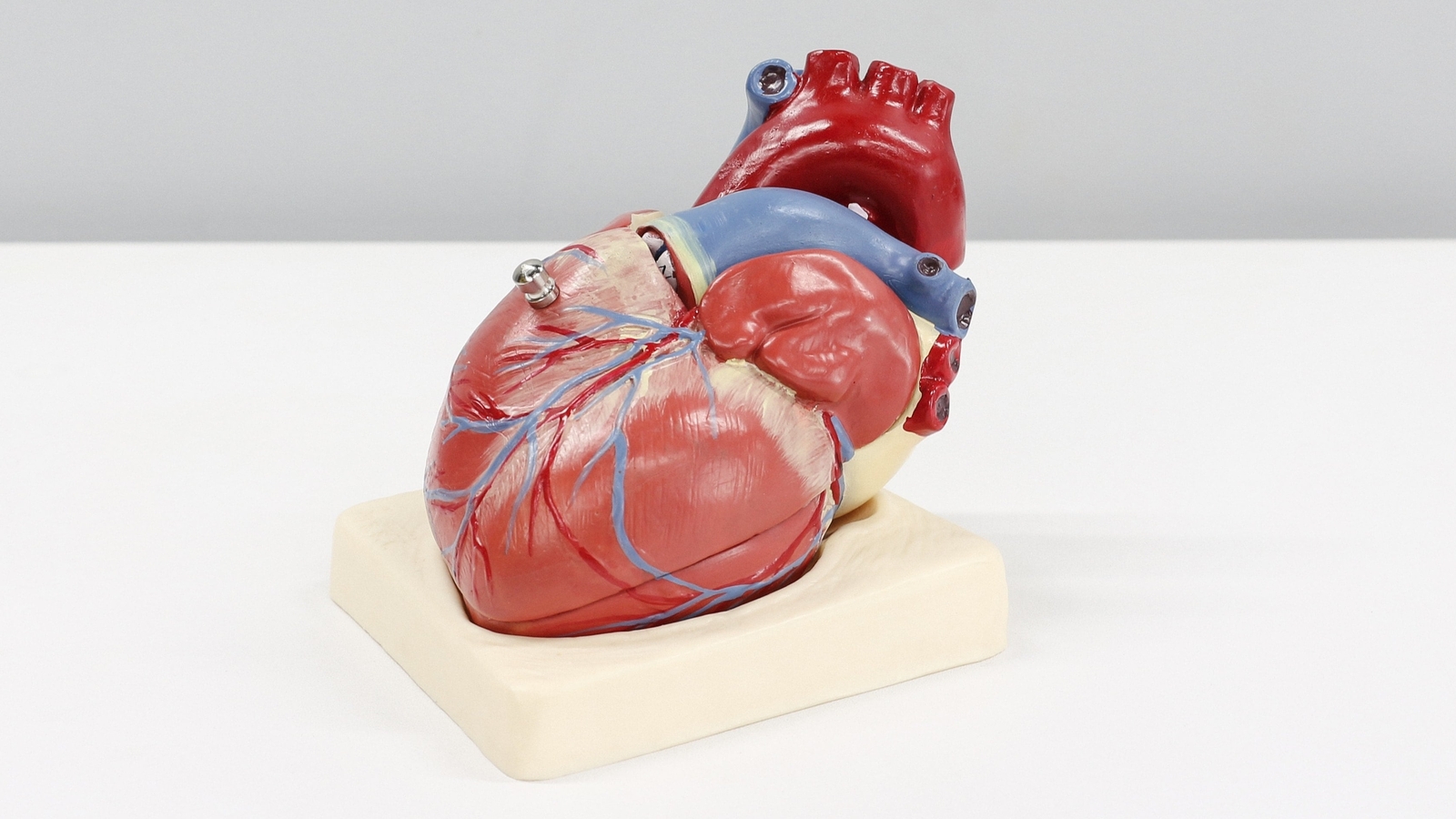
Minimally invasive heart surgery has revolutionized the way doctors address many heart conditions. This modern technique replaces the traditional long incisions of open-heart surgery with several small cuts, leading to less pain, shorter hospital stays, and a quicker return to everyday life. In the following discussion, the various techniques used, the benefits and potential risks, and what you can expect before, during, and after the procedure.
Chennai is renowned for its advanced healthcare and cutting-edge medical facilities. It has become a hub for innovative treatments. In recent years, minimally invasive heart surgery in Chennai has emerged as a top choice for patients seeking safer and more comfortable cardiac care.
What Is Minimally Invasive Heart Surgery?
At its core, minimally invasive heart surgery involves performing operations on the heart through one or more small incisions rather than a single, large cut down the center of the chest. This approach allows surgeons to use tiny, high-resolution cameras and specialized instruments or even robotic arms to access the heart between the ribs. By avoiding the need to split the breastbone, this technique often results in less trauma for the patient.
Types of Minimally Invasive Heart Surgery
There are two primary types of minimally invasive heart surgery, each tailored to different needs:
Thoracoscopic Surgery
In thoracoscopic surgery, the surgeon makes one or more small incisions on the side of the chest. Through one of these incisions, a long, slender tube equipped with a video camera known as a thoracoscope is inserted.
This camera provides a clear, magnified view of the heart on a monitor, guiding the surgeon as they use long, thin instruments to perform the necessary repairs. This method is especially effective in reducing the overall physical trauma associated with heart procedures.
Robotically Assisted Heart Surgery
Robotically assisted surgery builds upon the principles of thoracoscopic surgery. Here, the surgeon again makes several small incisions but utilizes robotic arms to perform the operation.
A high-definition camera delivers crisp, detailed images of the heart to a computer screen, allowing the surgeon to control the robotic arms with remarkable precision. This technology not only increases accuracy but also provides a level of control that can be particularly beneficial in complex procedures.
Uses of Minimally Invasive Heart Surgery
Minimally invasive techniques are versatile and can be used to treat a range of heart issues. Some of the common procedures performed using this approach include:
- Closing Heart Defects: Procedures such as repairing an atrial septal defect or sealing a patent foramen ovale.
- Valve Repair or Replacement: Treating conditions like mitral valve disease by either repairing or replacing damaged valves.
- Tumor Removal: Extracting tumors from the heart with minimal disruption to surrounding tissue.
- Bypass Surgery: Enhancing blood flow by bypassing blocked arteries.
- Maze Procedure: Addressing irregular heart rhythms (atrial fibrillation) through a maze procedure.
- Structural Defect Repair: Correcting congenital heart defects such as an atrioventricular canal defect.
- Assisting Heart Function: Inserting devices that help the heart pump more effectively.
- Preparing for Surgery
On the day of the procedure, you will be given general anesthesia, ensuring that you remain asleep throughout the operation. A breathing tube may be inserted to assist with respiration, and your body will be thoroughly cleaned with special solutions.
In some instances, the surgical team may also connect you to a heart-lung bypass machine, which takes over the functions of your heart and lungs during the surgery to keep your blood circulating.
What Happens During the Surgery?
The surgical process is carefully planned and executed to get the best outcomes. Here’s a step-by-step look at what occurs during the procedure:
Making the Incisions
The surgeon begins by making one or more small incisions along the side of your chest. These cuts are significantly smaller than the long incision used in traditional open-heart surgery.
Inserting Tools and Cameras
Next, a tiny video camera and specialized surgical instruments are carefully inserted through these incisions. The camera provides a live, high-definition video feed, giving the surgeon a clear view of the heart.
Accessing the Heart
Guided by the video feed, the surgeon navigates the instruments between the ribs to reach the heart with precision. This careful approach allows for effective repairs or replacements without the need for a large, disruptive incision.
Performing the Surgery
Depending on your condition, the surgeon will repair a defect, replace a valve, bypass a blocked artery, remove a tumor, or perform another necessary procedure. The enhanced precision offered by the robotic systems or specialized instruments means that the surgery is less invasive and generally gentler on the body.
Closing the Incisions
Once the operation is complete, the small incisions are closed with tiny stitches. These stitches are designed to promote proper healing and typically leave minimal, less noticeable scars.
Benefits of Minimally Invasive Heart Surgery
Patients often opt for minimally invasive heart surgery because of the numerous advantages it offers compared to traditional open-heart procedures. Key benefits include:
- Faster Recovery
- Less Blood Loss
- Reduced Pain
- Smaller Scars
- Lower Risk of Infection
- Shorter Hospital Stays
Risks and Complications
Like any surgical procedure, minimally invasive heart surgery carries some risks, though many of these are generally lower than those associated with open-heart surgery. Some potential complications include:
- Bleeding
- Infection
- Irregular Heartbeats
- Stroke
In some rare cases, if complications arise or if the surgeon determines that the minimally invasive approach is insufficient, they may switch to an open procedure to ensure your safety.
Recovery After Surgery
Recovery from minimally invasive heart surgery involves several stages, and your care team will guide you through each step.
Initial Recovery
Immediately after surgery, you will likely spend one to two days in an intensive care unit (ICU) where your heart rate, blood pressure, and breathing are closely monitored. The ICU team will also watch for any early signs of complications or infection.
Hospital Stay
Once you’re stable enough to leave the ICU, you may be moved to a regular hospital room. During this phase, medical staff will help you begin simple activities like sitting up and walking. They may also introduce gentle exercises to keep your lungs clear and support your recovery.
Post-Surgery Instructions
Before you go home, your doctor will provide detailed instructions on caring for your incisions. This guidance will include tips on when you can start driving, return to work, and resume exercise.
Many patients can return to their regular routines within two to four weeks. You will likely be advised to avoid heavy lifting or strenuous activities for several weeks to ensure proper healing.
Rehabilitation Programs
Your recovery might also include a cardiac rehabilitation program, which offers tailored exercise routines, nutritional advice, and stress management techniques. This program is designed to gradually increase your activity levels while promoting a healthier lifestyle overall.
When to Call Your Doctor
It’s important to be vigilant during your recovery. Reach out to your healthcare provider if you experience any of the following signs:
- Signs of Infection: Redness, swelling, or pus around the incision site could indicate an infection.
- Fever or Chills: These symptoms might signal that your body is fighting off an infection.
- Heart Palpitations: Any unusual or rapid heartbeats should be reported immediately.
- Excessive Fluid Retention: Swelling in the legs, feet, or near the incision could be a sign of fluid buildup.
- Rapid Weight Gain: A sudden increase in weight over a few days may be an indicator of complications.
Conclusion
Minimally invasive heart surgery represents a significant advancement in cardiac care. By using smaller incisions, this approach not only minimizes pain and visible scarring but also accelerates recovery times, allowing patients to return to their daily lives much more quickly. While there are risks associated with any surgery, the potential benefits of a less invasive procedure make it an appealing option for many.