

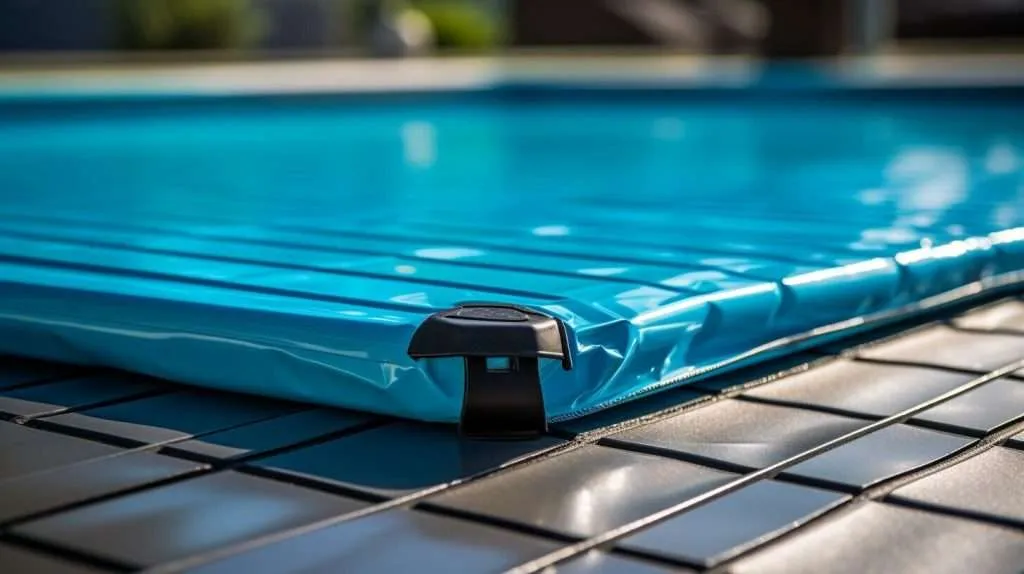
Many homeowners believe they fully understand how pool covers function, but misconceptions often cloud the facts. This is especially true when it comes to the materials and features of mesh-style covers. Misinformation can lead to poor choices, affecting both safety and long-term durability. Not all pool covers are created equal. Assuming that all pool covers are equally effective may lead to unnecessary maintenance or safety risks. That is why it is essential to separate fact from fiction. It is essential for pool safety and investment protection.
Some of the most persistent myths revolve around how well these covers block debris or withstand pressure. Others involve safety claims that do not always hold up under scrutiny. Without proper clarification, these misunderstandings create unrealistic expectations or even encourage improper usage. Homeowners need clearer insight to avoid costly mistakes. Each misconception explored in this blog will be followed by a practical truth backed by experience, not marketing language. With the right knowledge, pool owners can confidently choose solutions that suit both their environment and safety needs.
Mesh Covers Are Too Weak to Be Safe
A common belief is that mesh covers cannot hold weight and therefore lack safety reliability. This myth persists because many people confuse mesh with loosely woven fabric rather than tightly engineered material. In reality, high-tensile pool cover mesh is specifically designed to withstand substantial loads such as snow accumulation or accidental foot traffic. When properly anchored, these covers offer reliable protection that meets industry safety standards. They may not block all sunlight or fine debris, but that doesn’t mean they’re structurally weak. While aesthetics and function vary by material, safety should never be judged solely by surface appearance. Proper tension, quality stitching, and installation contribute more to effectiveness than material type alone.
Comparing mesh to a solid safety pool cover is not a matter of better or worse. It is about selecting the right option for a specific purpose. Solid covers block water and light completely, which may be preferred in certain climates or for algae prevention. However, mesh provides better drainage and requires less maintenance during heavy rain. Each option serves different needs. The assumption that mesh is inherently less secure fails to consider advances in material engineering. Safety certifications apply to both styles when installed correctly. Performance comes from thoughtful design rather than general assumptions.
Mesh Covers Let in Too Much Debris
Another misconception is that mesh covers allow in so much debris that they offer little protection. This belief stems from confusion between standard mesh and high-density versions designed to filter fine particles. While basic mesh may let in some dirt and pollen, modern covers use tighter weaves that block most contaminants while still allowing water to pass through. This makes them easier to manage in rain-prone areas and reduces pooling and the need for frequent pump-outs. Users trade a small amount of visible debris for convenience and reduced maintenance risk. For many households, this is an acceptable and often preferable balance. Blanket statements that mesh covers fail to protect overlook these practical trade-offs.
Misunderstanding debris filtration often results from comparisons with fully sealed alternatives. Safety pool covers with a solid surface will block more debris, but that does not make it ideal for every setting. Solid models tend to trap water, which may require constant pumping or manual clearing. Mesh covers drain naturally, making them suited for unattended properties or off-season closures. They also dry faster, reducing the risk of mold and chemical imbalance from standing water. Rather than disqualify mesh entirely, it is more accurate to assess how its benefits align with lifestyle and maintenance goals. Dismissing mesh as ineffective ignores these environmental factors.
Mesh Covers Do Not Last as Long
There is a widespread belief that mesh pool covers degrade faster than other materials. This idea likely began when early-generation mesh products were more susceptible to sun and chemical exposure. However, modern materials include UV inhibitors, reinforced stitching, and coatings that significantly extend their lifespan. With regular care and seasonal inspections, a well-maintained mesh cover can last just as long as its solid counterpart. Longevity now depends more on usage patterns and environmental exposure than on the material itself. Pool owners should evaluate build quality and warranty details rather than focus solely on type. Judging durability by outdated standards overlooks how much innovation has changed product performance.
In some climates, mesh may even outperform alternatives due to its ability to shed rain and snow without pooling. Since there is no need to drain standing water manually, stress from excessive weight or pump failure is significantly reduced. Even in areas with wide temperature swings, mesh flexibility offers resilience against cracking or warping. Still, all covers require upkeep. Assuming any style will last indefinitely without care is a misconception. A pool cover mesh model with consistent maintenance may outlast a neglected solid cover by several seasons. Material quality, anchoring systems, and user habits all influence lifespan. Blanket judgments rarely match real-world experience.
Mesh Covers Are Only Suitable for Warm Seasons
A frequent misunderstanding is that mesh pool covers are best used only in warmer climates or during mild seasons. This misconception likely arises from the idea that mesh cannot handle harsh weather or low temperatures. However, most modern mesh covers are engineered for year-round durability, including snow loads and freeze-thaw cycles. Their design allows rain and melted snow to drain naturally, which reduces stress that can cause cracking or sagging in solid alternatives. When properly installed, mesh can perform effectively even in regions that experience winter extremes. Seasonal use does not limit capability when the cover is selected and used correctly.
In fact, mesh covers offer several winter-specific advantages that make them a smart option for cold-weather regions. They require fewer interventions during heavy rain or snow since they allow water to pass through without pooling. This helps prevent damage from weight buildup or the need for pump maintenance during winter months. Additionally, their breathable design minimizes mold and mildew development beneath the surface, which is a common issue with sealed solid covers. Rather than avoiding mesh for winter, property owners should look at regional performance reviews and safety ratings. Dismissing it due to weather assumptions limits access to a solution that often adapts better to winter than expected.
Wrap Up
Misconceptions about pool cover mesh have led many homeowners to avoid an option that would suit their needs. Misinformation often comes from outdated assumptions or confusing language that does not reflect current advancements. Today’s mesh covers are built for strength, filtration, and ease of use. These qualities challenge many of the myths that continue to circulate. Comparing mesh to other cover types without considering the full context results in uninformed choices. Informed buyers evaluate purpose, climate, and maintenance needs before making a decision. Every cover has trade-offs. Dismissing mesh outright ignores its value for specific use cases.
Choosing the right cover means balancing safety, performance, and upkeep. Relying on myths instead of facts leads to higher costs or unnecessary risks. Whether mesh or solid, it is proper installation and maintenance that determine effectiveness. Misconceptions only create confusion and delay good decisions. The best outcomes come from evaluating each option on its actual performance. A homeowner who understands the facts is more likely to make confident and cost-effective choices. When the truth is clear, the benefits of mesh covers become easier to see. That clarity starts by addressing and correcting the myths.
HTML
<h1 dir=”ltr”>Misconceptions About Pool Cover Mesh (And the Truth)</h1>
<p dir=”ltr”>Many homeowners believe they fully understand how pool covers function, but misconceptions often cloud the facts. This is especially true when it comes to the materials and features of mesh-style covers. Misinformation can lead to poor choices, affecting both safety and long-term durability. Not all pool covers are created equal. Assuming that all pool covers are equally effective may lead to unnecessary maintenance or safety risks. That is why it is essential to separate fact from fiction. It is essential for pool safety and investment protection.</p>
<p dir=”ltr”>Some of the most persistent myths revolve around how well these covers block debris or withstand pressure. Others involve safety claims that do not always hold up under scrutiny. Without proper clarification, these misunderstandings create unrealistic expectations or even encourage improper usage. Homeowners need clearer insight to avoid costly mistakes. Each misconception explored in this blog will be followed by a practical truth backed by experience, not marketing language. With the right knowledge, pool owners can confidently choose solutions that suit both their environment and safety needs.</p>
<p><strong> </strong></p>
<h2 dir=”ltr”>Mesh Covers Are Too Weak to Be Safe</h2>
<p dir=”ltr”>A common belief is that mesh covers cannot hold weight and therefore lack safety reliability. This myth persists because many people confuse mesh with loosely woven fabric rather than tightly engineered material. In reality, high-tensile pool cover mesh is specifically designed to withstand substantial loads such as snow accumulation or accidental foot traffic. When properly anchored, these covers offer reliable protection that meets industry safety standards. They may not block all sunlight or fine debris, but that doesn’t mean they’re structurally weak. While aesthetics and function vary by material, safety should never be judged solely by surface appearance. Proper tension, quality stitching, and installation contribute more to effectiveness than material type alone.</p>
<p dir=”ltr”>Comparing mesh to a <a href=”https://www.looploc.com/”>solid safety pool cover</a> is not a matter of better or worse. It is about selecting the right option for a specific purpose. Solid covers block water and light completely, which may be preferred in certain climates or for algae prevention. However, mesh provides better drainage and requires less maintenance during heavy rain. Each option serves different needs. The assumption that mesh is inherently less secure fails to consider advances in material engineering. Safety certifications apply to both styles when installed correctly. Performance comes from thoughtful design rather than general assumptions.</p>
<p><strong> </strong></p>
<h2 dir=”ltr”>Mesh Covers Let in Too Much Debris</h2>
<p dir=”ltr”>Another misconception is that mesh covers allow in so much debris that they offer little protection. This belief stems from confusion between standard mesh and high-density versions designed to filter fine particles. While basic mesh may let in some dirt and pollen, modern covers use tighter weaves that block most contaminants while still allowing water to pass through. This makes them easier to manage in rain-prone areas and reduces pooling and the need for frequent pump-outs. Users trade a small amount of visible debris for convenience and reduced maintenance risk. For many households, this is an acceptable and often preferable balance. Blanket statements that mesh covers fail to protect overlook these practical trade-offs.</p>
<p dir=”ltr”>Misunderstanding debris filtration often results from comparisons with fully sealed alternatives. Safety pool covers with a solid surface will block more debris, but that does not make it ideal for every setting. Solid models tend to trap water, which may require constant pumping or manual clearing. Mesh covers drain naturally, making them suited for unattended properties or off-season closures. They also dry faster, reducing the risk of mold and chemical imbalance from standing water. Rather than disqualify mesh entirely, it is more accurate to assess how its benefits align with lifestyle and maintenance goals. Dismissing mesh as ineffective ignores these environmental factors.</p>
<p><strong> </strong></p>
<h2 dir=”ltr”>Mesh Covers Do Not Last as Long</h2>
<p dir=”ltr”>There is a widespread belief that mesh pool covers degrade faster than other materials. This idea likely began when early-generation mesh products were more susceptible to sun and chemical exposure. However, modern materials include UV inhibitors, reinforced stitching, and coatings that significantly extend their lifespan. With regular care and seasonal inspections, a well-maintained mesh cover can last just as long as its solid counterpart. Longevity now depends more on usage patterns and environmental exposure than on the material itself. Pool owners should evaluate build quality and warranty details rather than focus solely on type. Judging durability by outdated standards overlooks how much innovation has changed product performance.</p>
<p dir=”ltr”>In some climates, mesh may even outperform alternatives due to its ability to shed rain and snow without pooling. Since there is no need to drain standing water manually, stress from excessive weight or pump failure is significantly reduced. Even in areas with wide temperature swings, mesh flexibility offers resilience against cracking or warping. Still, all covers require upkeep. Assuming any style will last indefinitely without care is a misconception. A <a href=”https://www.looploc.com/”>pool cover mesh</a> model with consistent maintenance may outlast a neglected solid cover by several seasons. Material quality, anchoring systems, and user habits all influence lifespan. Blanket judgments rarely match real-world experience.</p>
<p><strong> </strong></p>
<h2 dir=”ltr”>Mesh Covers Are Only Suitable for Warm Seasons</h2>
<p dir=”ltr”>A frequent misunderstanding is that mesh pool covers are best used only in warmer climates or during mild seasons. This misconception likely arises from the idea that mesh cannot handle harsh weather or low temperatures. However, most modern mesh covers are engineered for year-round durability, including snow loads and freeze-thaw cycles. Their design allows rain and melted snow to drain naturally, which reduces stress that can cause cracking or sagging in solid alternatives. When properly installed, mesh can perform effectively even in regions that experience winter extremes. Seasonal use does not limit capability when the cover is selected and used correctly.</p>
<p dir=”ltr”>In fact, mesh covers offer several winter-specific advantages that make them a smart option for cold-weather regions. They require fewer interventions during heavy rain or snow since they allow water to pass through without pooling. This helps prevent damage from weight buildup or the need for pump maintenance during winter months. Additionally, their breathable design minimizes mold and mildew development beneath the surface, which is a common issue with sealed solid covers. Rather than avoiding mesh for winter, property owners should look at regional performance reviews and safety ratings. Dismissing it due to weather assumptions limits access to a solution that often adapts better to winter than expected.</p>
<p><strong> </strong></p>
<h2 dir=”ltr”>Wrap Up</h2>
<p dir=”ltr”>Misconceptions about pool cover mesh have led many homeowners to avoid an option that would suit their needs. Misinformation often comes from outdated assumptions or confusing language that does not reflect current advancements. Today’s mesh covers are built for strength, filtration, and ease of use. These qualities challenge many of the myths that continue to circulate. Comparing mesh to other cover types without considering the full context results in uninformed choices. Informed buyers evaluate purpose, climate, and maintenance needs before making a decision. Every cover has trade-offs. Dismissing mesh outright ignores its value for specific use cases.</p>
<p dir=”ltr”>Choosing the right cover means balancing safety, performance, and upkeep. Relying on myths instead of facts leads to higher costs or unnecessary risks. Whether mesh or solid, it is proper installation and maintenance that determine effectiveness. Misconceptions only create confusion and delay good decisions. The best outcomes come from evaluating each option on its actual performance. A homeowner who understands the facts is more likely to make confident and cost-effective choices. When the truth is clear, the benefits of mesh covers become easier to see. That clarity starts by addressing and correcting the myths.</p>