

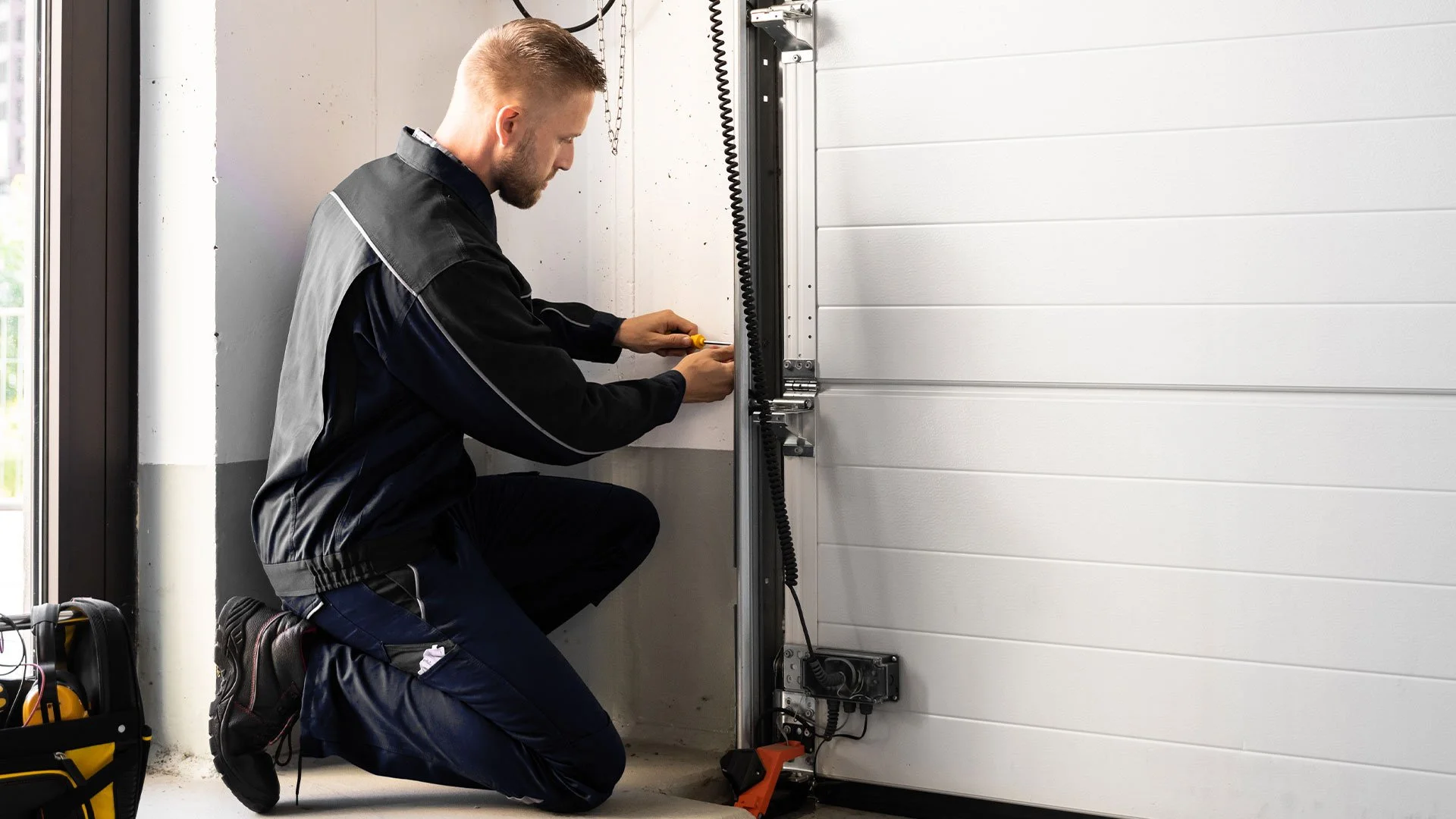
Most of us do not think about our garage doors until they stop working. We press the button, expect the door to slide open, and drive away without a second thought. But this massive, moving wall is actually the largest moving part of your entire home. Keeping it in top shape is easier than you think, and it can save you thousands of dollars in emergency repairs. If you want to see what a modern, perfectly installed setup looks like, you can See Garage Door Pro Latest Projects to get some great inspiration for your own home. Taking care of this giant piece of machinery does not require a degree in engineering, just a little bit of regular attention.
Why Your Garage Door Matters More Than You Think
Your garage door does a lot of heavy lifting. For many families, it serves as the primary entrance to the house. It guards your cars, your tools, and your home from intruders and harsh weather. Despite this constant work, it is often the most neglected part of the property. When a garage door fails, it is not just an inconvenience. It can trap your car inside when you are already late for work, or worse, it can pose a serious safety risk to your family.
Preventative maintenance is the key to avoiding these headaches. Just like you change the oil in your car, your garage door needs regular check-ups. By spending just fifteen minutes every few months inspecting a few key areas, you can extend the life of your door by years. This saves you money on premature replacements and keeps your daily routine running without a hitch.
Simple Visual and Audio Checks You Can Do Today
You do not need fancy tools to inspect your garage door. In fact, your eyes and ears are your best assets. Start by standing inside your garage with the door closed. Open the door using the wall button and watch it move. Does it rise smoothly, or does it jerk and hesitate in certain spots? A jerky movement often means the tracks are dirty or the door is out of balance.
Next, listen closely to the sound it makes. A healthy garage door should operate relatively quietly. If you hear grinding, squeaking, or scraping sounds, something is wrong. Screeching sounds usually mean dry metal parts rubbing together, while grinding sounds might point to worn-out rollers or a struggling motor. Catching these noises early allows you to fix small issues before they turn into major, expensive failures.
The Secret to a Quiet Door: Proper Lubrication
If your door is making noise, the solution is often as simple as a little bit of lubricant. However, using the wrong product can actually make the problem worse. Many people reach for standard WD-40, but this is a big mistake. WD-40 is a degreaser, not a long-lasting lubricant. It will quickly dry out and attract dust and dirt, which will clog up your moving parts over time.
Instead, use a high-quality silicone spray or a lithium-based grease. These products are designed to withstand the heavy friction and temperature changes that garage doors experience. Focus your lubrication efforts on the rollers, hinges, tracks, and springs. Spray a light coat onto the metal rollers and hinges. If you have plastic rollers, avoid spraying the wheels directly, as the lubricant can cause them to degrade. Instead, focus on the metal stems. Keeping these parts lubricated reduces friction, which takes the stress off your garage door opener and helps it last much longer.
Two Safety Tests Every Homeowner Should Know
Garage doors are incredibly heavy, and a failing system can be dangerous. Fortunately, modern garage doors come equipped with safety features to prevent accidents. You should test these features at least twice a year to ensure they are working correctly.
The Auto-Reverse Test
Place a solid object, like a block of wood or a brick, on the ground directly under the path of the garage door. Press the button to close the door. When the door hits the object, it should immediately stop and reverse back to the open position. If it continues to push down against the object, your opener’s sensitivity settings need adjustment.
The Photo-Eye Sensor Test
These are the small sensors located near the ground on either side of the door frame. They project an invisible beam across the opening. To test them, start closing the door and wave a broom or your foot in front of one of the sensors. The door should instantly stop and reverse. If it does not, the sensors might be dirty or misaligned. Wipe the lenses with a soft cloth and make sure they are pointing directly at each other.
Keeping the Tracks Clean and Clear
The tracks on either side of your garage door guide it up and down. Over time, these tracks can collect dust, leaves, cobwebs, and grease. This buildup acts like speed bumps for your door, forcing the motor to work much harder than it needs to.
Cleaning the tracks is a simple task. Grab a damp cloth and wipe down the inside of the tracks to remove any dirt or grime. For stubborn grease, you can use a mild household cleaner. Do not spray lubricant inside the tracks themselves. This is a common mistake. Lubricant inside the tracks will actually trap dirt and turn into a sticky paste that slows the door down. The rollers should roll smoothly along a clean, dry track.
Knowing When to Call the Experts
While there is a lot you can do on your own, some garage door repairs are strictly for professionals. Garage doors rely on high-tension springs to lift their heavy weight. These springs store an incredible amount of energy. If a spring snaps while you are working on it, it can cause severe injury or property damage.
If you notice a broken spring, a frayed cable, or if your door is completely off its tracks, do not attempt to fix it yourself. This is the time to call in a professional technician. They have the specialized tools and training to handle these high-risk components safely. A professional tune-up once a year is also a great investment to catch hidden issues that you might have missed during your casual inspections.
By taking these simple steps, you can keep your garage door running safely, quietly, and reliably for years to come. A little bit of care goes a long way in protecting your home and your wallet.