

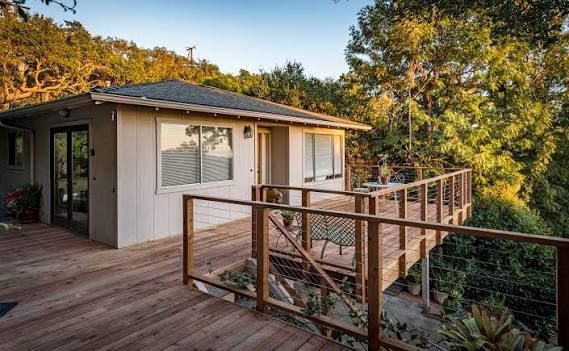
There’s a moment nearly every growing family hits: the house that once felt spacious suddenly doesn’t fit anymore. A new baby needs a nursery, teenagers need separate spaces, or aging parents need a place to stay. When that moment arrives, the choice usually comes down to two options — sell and move, or invest in Santa Barbara home additions and stay put. More families are choosing the second option than a decade ago, and the reasons behind that shift are worth understanding.
Why Moving Isn’t the Automatic Answer It Used to Be
Selling a home and buying a new one comes with real costs beyond the sale price itself — agent commissions, closing costs, moving expenses, and often a higher mortgage rate on the new purchase compared to an existing one locked in years earlier. For families who otherwise like their neighborhood, their kids’ school district, and their commute, moving solves the space problem while creating several new ones. An addition, by comparison, solves the space problem while keeping everything else the family already values intact.
What Actually Gets Added Most Often
Not every addition is the same scope. Some of the most common projects include:
- A second story added above an existing single-level footprint
- A primary suite addition, often including a larger bedroom and en-suite bathroom
- An accessory dwelling unit (ADU), increasingly popular for aging parents, adult children, or rental income
- A sunroom or family room extension off the back of the house
- Garage conversions into livable space, paired with a new detached garage
Each of these comes with a very different cost and complexity profile, which is why the planning conversation usually starts with a clear goal rather than a general “we need more space.”
The Zoning and Permitting Reality
Additions are more heavily regulated than interior remodels, since they typically change a home’s footprint or height. Setback requirements, height restrictions, and lot coverage limits all factor into what’s actually possible on a given property, and this varies meaningfully by neighborhood. A contractor experienced with local zoning tends to identify what’s feasible early in the process, rather than a homeowner discovering months into planning that their preferred home addition doesn’t meet setback requirements.
What an Addition Actually Costs Compared to Moving
The math here surprises a lot of families. While an addition isn’t cheap, it’s frequently less expensive than the combined cost of selling one home and purchasing another of comparable size in the same desirable area — especially in markets where home values have climbed significantly. Families weighing this decision can review examples of completed addition projects through home remodeling and additions to get a realistic sense of scope and investment for comparable projects.
Living Through Construction While Staying in the House
One trade-off worth being honest about: unlike moving, an addition usually means living through months of construction. Depending on the scope, this can mean noise, dust, and limited access to parts of the house for an extended period. Families who plan around this reality in advance — setting up temporary living arrangements for the most disruptive phases, for instance — tend to handle the process better than those who underestimate how disruptive it will feel day to day.
The Long-Term Value Consideration
Beyond solving an immediate space problem, a well-planned addition can meaningfully increase a home’s resale value, particularly additions like a primary suite or an ADU that add both square footage and functional flexibility for future buyers. Not every addition delivers equal return, though — a poorly integrated addition that doesn’t match the home’s existing style or flow can actually hurt marketability rather than help it, which is why working with a team that thinks about long-term cohesion, not just added square footage, tends to matter more than families initially expect.
The Real Decision Point
At the end of the day, the choice between moving and adding on comes down to one honest question: is the location still right, even if the current footprint isn’t? For families who answer yes, an addition is very often the more practical path — solving the actual problem without giving up everything else that made the house feel like home in the first place.