

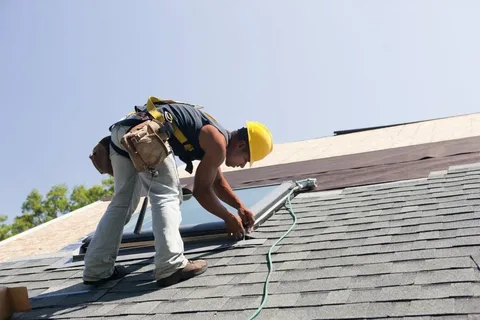
Buying an older home in Miami can be a dream come true. From the classic Art Deco designs to the tropical landscaping and historic charm, these homes often have more character than any modern build. But behind those pastel walls and vintage details, there’s one feature that often hides major issues — the roof.
In Miami’s humid, storm-prone climate, roofs take a beating year after year. The city’s sunshine, salt air, heavy rain, and hurricane winds can wear out even the strongest materials. So, if you’re moving into an older property, a Roof Inspection in Miami isn’t just recommended — it’s essential.
Before you settle in or start decorating, take time to understand your roof’s condition. It could save you from expensive repairs and serious damage down the line.
Why Roofs in Older Miami Homes Need Extra Attention?
Older homes are beautiful, but many were built long before today’s roofing standards and building codes. Materials used decades ago weren’t designed to handle modern weather extremes. Over time, those roofs can develop leaks, sagging areas, or hidden structural damage.
In Miami, roofs face constant exposure to:
- High humidity – which promotes mold, algae, and wood rot.
- Hurricane-force winds – that can lift shingles or tiles.
- Heavy rainfall – which finds even the smallest cracks.
- Intense UV rays – that weaken roofing materials over the years.
Even if your home’s roof “looks fine,” small issues might be forming underneath the surface. That’s why hiring the best roofing experts Miami homeowners rely on is so important — they can spot what you can’t.
The Importance of a Professional Roof Inspection in Miami
Many new homeowners skip a full roof inspection, especially when buying an older house that seems well maintained. But in a climate like Miami’s, that can be a costly mistake.
A Roof Inspection in Miami isn’t just about finding leaks. It’s a complete assessment of your roof’s structure, ventilation, insulation, and weatherproofing.
A certified inspector from a top roofing company in Miami will:
- Examine shingles, tiles, flashing, and underlayment.
- Check for soft spots, sagging, or hidden moisture damage.
- Look for cracked sealants or missing fasteners.
- Inspect gutters, downspouts, and drainage systems.
- Assess the attic for proper ventilation and insulation.
This detailed inspection helps you understand your roof’s remaining lifespan and what repairs — if any — are needed before move-in.
What Inspection Can Reveal?
When professionals inspect an older roof, they often uncover issues that aren’t visible from the ground. Some of the most common problems found in older Miami homes include:
- Worn or Broken Tiles
Clay or concrete tiles are popular in Miami because of their heat resistance and tropical style. But over time, tiles can crack, loosen, or shift. Even a few missing tiles can allow water to seep underneath, leading to leaks and mold.
- Deteriorated Underlayment
The underlayment is the protective layer beneath your roof covering. In older roofs, this material often becomes brittle and loses its waterproofing ability. Once that happens, moisture can reach your home’s structure.
- Rusted or Loose Flashing
Flashing — the metal strips around vents, chimneys, and edges — keeps water out of joints. On older roofs, flashing often rusts or lifts, which can lead to major leaks during storms.
- Algae and Mold Growth
Miami’s warm, damp air encourages biological growth. Dark streaks on your roof might look cosmetic, but they can indicate algae or mold that’s weakening your roofing material.
- Structural Weakness
Wood framing can warp or rot if it’s been exposed to moisture for too long. A roof inspection in Miami helps identify these structural concerns before they turn into safety hazards.
Why Miami’s Climate Makes Roof Maintenance Non-Negotiable?
There’s a reason homeowner here invest so heavily in their roofs — Miami’s weather is relentless. Between tropical storms, blazing heat, and salty sea air, roofing systems are under constant stress.
Older roofs built before modern hurricane codes might not have proper fasteners, wind-resistant shingles, or impact-rated tiles. Without updates, these roofs are far more likely to fail during extreme weather.
That’s why many residents choose to call the best roofing experts Miami offers as soon as they move in. A small repair or partial replacement today can prevent catastrophic damage later.
The Role of a Top Roofing Company in Miami
A roof inspection is only as good as the professionals performing it. Working with the top roofing company in Miami means you’re not just getting a checklist — you’re getting expertise, precision, and a commitment to long-term protection.
Experienced contractors understand local building codes, hurricane resistance standards, and the best materials for Miami’s unique environment. They use specialized tools like infrared scanners and moisture meters to detect hidden issues.
Most importantly, they don’t just find problems — they provide real solutions, whether that means minor repairs, waterproofing, or a full roof replacement.
Updating Your Older Roof: What Are Your Options?
Once your roof inspection is complete, you’ll likely have a few options depending on your home’s condition and your budget.
Roof Repair
If the roof is mostly sound but has minor leaks or loose tiles, targeted repairs can restore performance without full replacement. Professionals can reseal flashing, replace damaged tiles, or patch leaks to extend your roof’s life.
Roof Restoration
For roofs showing wear but still structurally solid, a restoration might be the perfect middle ground. This process includes cleaning, repairing, and coating the roof with protective layers that improve energy efficiency and waterproofing.
Full Roof Replacement
If the roof is beyond repair — which is common in homes older than 25–30 years — a replacement might be your best investment. A top roofing company in Miami can help you choose durable, hurricane-rated materials like:
- Metal roofing for maximum wind resistance.
- Tile roofing for classic aesthetics and long lifespan.
- Cool roofing materials to reflect heat and lower energy bills.
Choosing the Right Material for Miami’s Weather
Older homes often have beautiful clay or concrete tile roofs, but if you’re replacing them, it’s worth exploring newer materials that blend tradition with technology.
- Metal Roofing: Sleek, lightweight, and resistant to corrosion and wind.
- Architectural Shingles: Thicker and more durable than standard shingles.
- Clay Tiles: Traditional and long-lasting with proper maintenance.
- Synthetic Tiles: Imitate natural materials but are lighter and more impact-resistant.
The best roofing experts Miami homeowners trust can explain which material fits your home’s structure, neighborhood style, and hurricane zone rating.
The Cost of Ignoring an Old Roof
Some homeowners put off roof inspections or replacements because of cost, but ignoring roof issues can quickly become far more expensive.
A small leak can turn into mold growth, ceiling damage, and structural rot. Over time, this may lead to thousands of dollars in repairs — not to mention potential insurance complications if the roof wasn’t properly maintained.
An early Roof Inspection in Miami allows you to catch small issues before they grow into emergencies. Think of it as preventive medicine for your home.
How to Prepare for a Roof Inspection
If you’ve just moved into an older home, here’s how to make your roof inspection smoother and more effective:
- Gather any past roofing records – permits, warranties, or maintenance reports.
- Clear the area around your home – so the inspector can access all sides.
- Check the attic – look for water stains or daylight coming through.
- Take note of leaks or ceiling spots – even small ones can help guide the inspection.
Once your inspection is complete, ask your roofer for a written report detailing the findings, estimated lifespan, and any recommended repairs.
Roof Upgrades That Add Value to Older Homes
Investing in your roof doesn’t just protect your home — it increases its value. Miami buyers know the importance of a strong, weather-resistant roof, especially in storm-prone areas.
Modern upgrades that add long-term value include:
- Hurricane straps for extra structural strength.
- Energy-efficient coatings to reduce cooling costs.
- Proper ventilation systems to control humidity.
- Gutter and drainage upgrades to prevent standing water.
A top roofing company in Miami can customize upgrades that protect your home while enhancing its curb appeal.
Working With the Best Roofing Experts Miami Has to Offer
Roofing projects can be stressful, especially if you’re dealing with an older home that needs care and precision. Partnering with experienced professionals takes the pressure off.
The best roofing experts Miami homeowners recommend bring:
- Decades of local experience.
- Knowledge of Miami-Dade County roofing codes.
- Quality materials rated for hurricanes and UV protection.
- Transparent pricing and detailed inspections.
- Warranties that back up their work.
They’ll ensure your older home gets the right attention and the best protection possible.
Why Should Roofing Be Your First Priority After Moving In?
Many people focus on painting, remodeling, or landscaping first. But none of those upgrades matter if your roof can’t protect your home.
Your roof is your home’s first line of defense against every element Miami throws at it — sun, rain, wind, and salt air. Ignoring it, even for a few months, can invite leaks and costly damage.
Scheduling a Roof Inspection in Miami right after you move in is the smartest decision you can make. It helps you start homeownership on solid ground, literally and financially.
Protecting the Charm and Strength of Your Miami Home
Older Miami homes are full of charm, but they also come with responsibility. Regular inspections, timely repairs, and professional maintenance ensure your house stays strong for decades to come.
Whether your home needs a small patch or a full renovation, partnering with a top roofing company in Miami ensures every inch of your roof is ready for the city’s weather. Because when your roof is solid, everything beneath it — your comfort, your family, your investment — stays safe.