

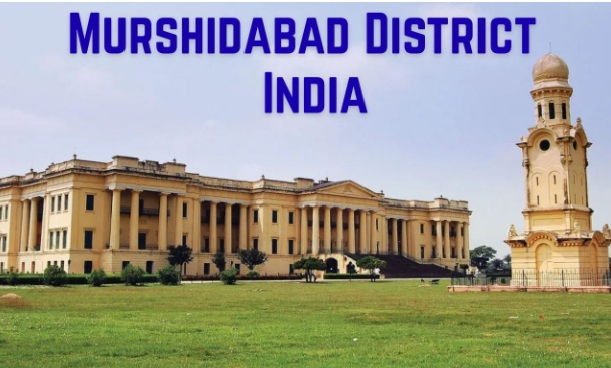
Murshidabad has long been celebrated as one of India’s most historically rich regions, renowned for its vibrant culture, stunning architecture, and pivotal role during the Mughal and British periods. At the heart of this heritage lies the Murshidabad District, a region brimming with stories, monuments, and legacies that continue to captivate historians, travelers, and culture enthusiasts alike. This article delves into its key historical milestones, iconic landmarks, and enduring contributions to India’s past.
The Rise of Murshidabad District in Bengal’s History
Murshidabad’s story begins with Nawab Murshid Quli Khan, who shifted the capital of Bengal from Dhaka to the newly developed city in the early 18th century. This move marked the emergence of Murshidabad District as a powerful administrative and economic center.
A Strategic Capital in the Mughal Era
During Mughal rule, Bengal was one of the richest provinces in the empire. The district served as:
A major hub for silk manufacturing and trade
A center for revenue collection
A seat of political negotiations and regional governance
Murshid Quli Khan’s administration transformed the region into a thriving metropolis known for wealth, craftsmanship, and stable governance.
Growth of Trade and Cultural Exchange
The position of Murshidabad District along the Bhagirathi River enabled flourishing maritime and inland trade. Merchants from Europe, Persia, and Central Asia frequented the region, influencing its economy and culture. This created a cosmopolitan environment where language, art, and traditions blended seamlessly.
Architectural Heritage That Defines Murshidabad District
Historic monuments in the district reflect centuries of royal patronage and architectural evolution. These structures continue to be key attractions for heritage tourism.
Hazarduari Palace: The Palace of a Thousand Doors
One of the most iconic sites is the 19th-century Hazarduari Palace, constructed under the Nawabs of Bengal. Known for its immense size and impressive layout, the palace includes:
Vast halls with chandeliers
A well-preserved museum of royal artifacts
Architectural influences from European styles
The palace symbolizes the wealth and grandeur that characterized Murshidabad’s royal courts.
Katra Mosque: A Masterpiece by Murshid Quli Khan
Built by the founder of the district’s capital, the Katra Mosque stands as an architectural marvel. It once housed hundreds of students and functioned both as a religious and educational center. Its symmetrical structure and arched gateways remain admired by historians and architects.
Other Notable Heritage Sites
Murshidabad District is home to several historically significant structures, including:
Kathgola Palace
Nasipur Palace
Motijheel (The Pearl Lake)
Jafarganj Cemetery
Tombs of Siraj-ud-Daulah and Alivardi Khan
These monuments collectively showcase the artistic excellence and cultural depth of the region.
The Battle of Plassey and Its Impact on Murshidabad District
No historical account of Murshidabad is complete without discussing the Battle of Plassey in 1757, which dramatically changed the region’s destiny.
The Political Shift After 1757
The battle, fought between the forces of Nawab Siraj-ud-Daulah and the British East India Company, marked the beginning of British political control over Bengal. While the district continued to be a significant urban center, the real administrative power shifted to Calcutta.
Economic Decline but Cultural Continuity
After the battle, trade routes and revenue systems underwent major changes. Murshidabad District experienced a period of economic decline, yet its cultural traditions—music, cuisine, painting, and handicrafts—remained vibrant.
Cultural and Social Legacy of Murshidabad District
The district’s culture is woven from layers of Mughal, Bengali, and regional influences. Its diverse heritage continues to inspire scholars and artists.
Silk Weaving Tradition
The region is world-famous for Murshidabad silk, known for its:
Fine texture
Elegant patterns
Handcrafted weaving methods
This craft has been practiced for generations and remains a crucial part of the local economy.
Cuisine and Culinary Identity
Traditional dishes from the district reflect a blend of Nawabi flavors and Bengali traditions. Popular items include:
Rich meat curries
Mildly spiced rice preparations
Traditional sweets influenced by Mughal-style cooking
Food from the region highlights its multicultural past.
Music, Art, and Literature
Patronage from the Nawabs encouraged the development of classical music and fine arts. Many musicians, poets, and painters flourished under royal support, making the district a significant cultural center.
Administrative Evolution Through the Centuries
From Nawabi rule to the British Raj and later independent India, the region has undergone significant administrative changes.
Transition Under the British
After the Battle of Plassey, the British East India Company gradually took control of administrative functions. Although Murshidabad District lost its status as capital, it remained an important region for revenue collection and trade.
Post-Independence Growth
With modern development projects, improved transport, and educational institutions, the district has strengthened its role within West Bengal. Heritage conservation efforts are helping revive recognition of its historical significance.
Important Historical Figures Connected to Murshidabad District
Many notable personalities shaped the district’s legacy:
Murshid Quli Khan
The visionary administrator who shifted Bengal’s capital and developed Murshidabad into a prosperous center.
Siraj-ud-Daulah
The last independent Nawab of Bengal, whose leadership and resistance to British expansion remain central to regional history.
Ghaseti Begum and Mir Jafar
Figures who played crucial roles in the political intrigues that influenced the Battle of Plassey.
Alivardi Khan
A respected Nawab known for his administrative abilities and defense against regional invasions.
These individuals contributed to significant turning points in the history of Murshidabad District.
Heritage Tourism and Modern Significance
Today, people from across India and abroad visit Murshidabad to experience its historical depth and architectural beauty.
Why the District Attracts Visitors
The region appeals to:
Heritage tourists
Researchers
Students of architecture and culture
Photographers and travel enthusiasts
The preservation of palaces, mosques, and old neighborhoods allows visitors to experience authentic glimpses of Bengal’s past.
Efforts Toward Preservation
Local authorities and cultural organizations are working to safeguard historical sites, promote traditional crafts, and improve tourist facilities. These initiatives aim to protect the district’s cultural wealth for future generations.
Timeless Relevance of Murshidabad District
Murshidabad District remains an enduring symbol of Bengal’s political rise, cultural richness, and architectural brilliance. Its monuments, stories, and traditions continue to fascinate people and remind us of India’s dynamic history. Whether exploring royal palaces or understanding the events that reshaped the region, the district offers invaluable insights into the past. Murshidabad District stands today not only as a heritage destination but also as a proud reminder of India’s historical journey.