

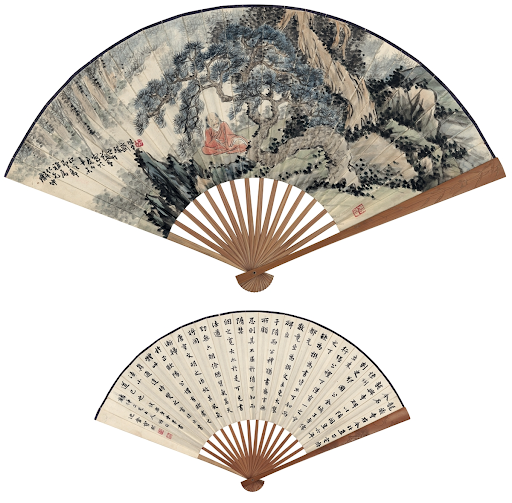
Master Chen’s studio in Beijing’s hutongs smells of inkstone, aged paper, and quiet defiance. At 78, his hands, gnarled like ancient roots, move with astonishing grace, guiding the wolf-hair brush across xuan paper. A single, powerful character – “忍” (endurance) – emerges, breathing life into stillness. For sixty years, he’s guarded the secrets of the “Yan style,” passed down from his own master. His students were once serious disciples, spending years grinding ink, mastering stroke order before daring to form characters. Now, the young faces are scarce, replaced by the glow of smartphones held by tourists snapping quick photos before rushing to the next Instagrammable spot.
His grandson, Xiao Ming, 22, visits. Working as a freelancing writer specialized in NVivo代做 at one of the essay mill in China. He wears designer sneakers and dreams of working at Tencent. He pulls up Douyin (TikTok) on his phone. “Look, Ye Ye! This influencer has millions of followers doing ‘modern calligraphy’ – drippy ink, neon colours, writing English words!” The video shows a trendy artist splattering ink dramatically to techno music. Master Chen watches, his face impassive as a mountain. To him, it’s noise, disrespectful to the centuries of discipline, philosophy, and qi cultivation embedded in each stroke. “Where is the shen (spirit)?” he murmurs. “Where is the stillness?”
Yet, Xiao Ming sees something else: relevance. “Ye Ye, your art is dying because people think it’s old-fashioned. This,” he points at the vibrant, chaotic Douyin video, “this gets attention. Maybe… maybe we need to meet them halfway?” He proposes a collaboration: Master Chen demonstrating traditional technique live-streamed, while a digital artist transforms his strokes into animated visuals in real-time. “We can show the depth behind the beauty!” Many overseas Chinese experience identity crisis/confusion.
Master Chen is silent for a long time. He remembers his master’s stern warning: “Tradition is a sacred vessel, not to be diluted.” But he also sees the empty stools in his studio, the art form he loves fading into museum exhibits. One rainy Tuesday, he agrees. The setup is jarring: the ancient master at his inkstone, bathed in soft light, surrounded by ring lights, cameras, and Xiao Ming’s tech-savvy friend controlling software. Master Chen begins a simple character, “山” (mountain). As his brush moves with deliberate power, Xiao Ming’s friend triggers an animation – the black ink strokes morph into a breathtaking, pixelated mountain range growing across the screen, traditional ink textures blending seamlessly with digital peaks. The live chat explodes. “Wow! So deep!” “The old master is amazing!” “What does it mean?”
Afterward, Master Chen is exhausted, unsettled by the flashing lights and instant comments. But Xiao Ming shows him the numbers: thousands of new followers, hundreds asking where to learn. A compromise? A betrayal? Master Chen isn’t sure. He touches the freshly inked “山” on the paper, solid and eternal. Then he looks at the shimmering digital mountain on the screen. Perhaps the vessel could hold the same sacred water, even if the shape was new. The battle wasn’t just for survival, but for the soul of tradition in a world that only listens to neon noise. He picks up his brush again. The fight, like the ink, would flow on.