

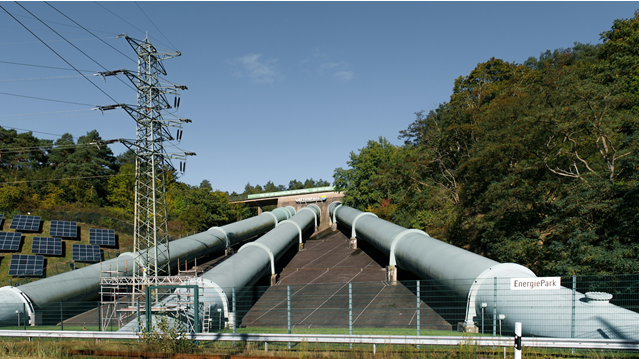
Pipelines are an essential transportation system for the energy industry as they ensure the continuous flow of crude oil and refined products from extraction sites to consumption centers.
These infrastructures, often of great length, are designed to operate reliably and safely for many years.
However, exposure to aggressive environmental conditions, wear and tear, and other factors can compromise their structural integrity over time.
The crucial importance of maintenance
Pipeline maintenance is a complex and ongoing activity aimed at preventing accidents, maximizing plant life, and ensuring compliance with safety regulations.
An effective maintenance program involves a series of periodic inspection and maintenance activities, carried out by highly qualified personnel and with the aid of advanced technologies.
Inspections and monitoring
Pipeline inspections are essential for early detection of signs of deterioration such as corrosion, cracks, or deformations.
Various inspection techniques are used, including:
- Visual inspections: allow the detection of surface damage, manufacturing defects, and signs of wear.
- Internal inspections: carried out using tools called “pigs” that travel inside the pipeline, detecting any anomalies.
- Electronic monitoring: a technique that uses sensors and telemetry systems to detect variations in pressure, temperature, and other physical quantities that may indicate the presence of problems.
Maintenance interventions
Based on the inspection results, corrective and preventive maintenance interventions are planned and executed.
The most common activities are:
- Damage repair: consists in repairing damaged sections of the pipeline, by welding, applying patches, or replacing sections of the pipeline.
- Corrosion protection: application of protective coatings to prevent corrosion and extend the life of the pipeline.
- Component replacement: replacement of valves, flanges, supports, and other worn or damaged components.
Safety first
Safety is a top priority in pipeline maintenance.
To ensure the protection of personnel and the environment, strict safety procedures are adopted, such as:
- Work permits: before performing any intervention, it is necessary to obtain a work permit that defines the safety procedures to be followed.
- Personal protective equipment: maintenance personnel must wear the appropriate personal protective equipment.
- Emergency management: it is essential to have emergency plans in place to deal with any incidents, such as oil spills or fires.
The role of quick opening closures
Quick opening closures (see QOC Solutions website) are essential safety devices in pipelines.
In the event of an emergency, they allow a section of the pipeline to be quickly isolated, limiting the release of product and facilitating repair operations.
Thanks to their speed of action, quick closing devices help to minimize environmental damage and economic losses.
The future of pipeline maintenance
Digitization and automation are revolutionizing the way pipelines are managed and maintained.
The use of smart sensors, data analytics, and artificial intelligence allows for the optimization of maintenance programs, reducing costs and improving plant reliability.
Furthermore, the development of new materials and construction technologies will enable the creation of increasingly resistant and durable pipelines in the future.
In short, pipeline maintenance is a complex but essential activity to ensure the safety and efficiency of these critical infrastructures.
Thanks to a proactive approach and the use of advanced technologies, it is possible to extend the life of pipelines and minimize the risks associated with their operation.