

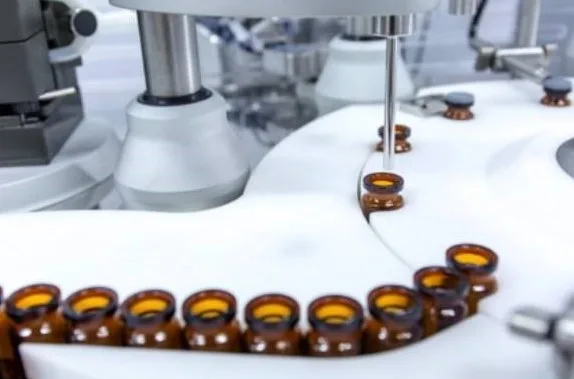
For a drug, years of lab work, regulatory review, clinical trials, and billion-dollar development budgets can culminate in one last hurdle, one where there is little margin for error: safely filling its final container. The last step may sound procedural, but in pharmaceutical manufacturing it’s anything but routine. That’s where aseptic fill finish manufacturing comes into play.
For most people outside of healthcare manufacturing, the steps between a completed drug formulation and the vial, syringe or cartridge sitting in a hospital refrigerator rarely cross their mind. But that shift is important. A single contamination event during filling can compromise the safety of the product, cause recalls, delay treatment availability and pose serious risks to patients. It is a high-stakes environment where precision is not a marketing tagline. “It’s an operational necessity daily.
As modern medicine looks to biologics, injectable therapies, vaccines and personalized treatments, aseptic fill finish manufacturing is becoming more integral to the pharmaceutical ecosystem than many realize.
What is Aseptic Fill Finish Manufacturing?
The name sounds very technical but the concept behind it is simple. Aseptic fill finish manufacturing is the sterile filling of pharmaceutical products into their final delivery systems with sterility maintained throughout the process. Those last delivery systems can be vials, prefilled syringes, cartridges, ampoules and other sterile containers. The key word here is “aseptic”.
Some medicines cannot be sterilized once they are packaged, as the product itself would be damaged by heat, radiation or other strong sterilization methods. This is especially true for biologics, protein-based drugs, vaccines and many injectable therapies. That means that the manufacturing environment must be sterile before the filling even starts.
Cleanrooms, controlled air flow systems, sterilized components, environmental monitoring, strict operator protocols, and highly specialized equipment are what companies rely on to do that. One pharmaceutical manufacturing professional once described aseptic operations as “trying to maintain hospital grade sterility in an industrial production environment.” Sounds like a pretty good comparison. Discipline is required at every stage of the process.
Why This Market Is Expanding with Modern Drug Development
Medicine is changing and as medicine changes, pharmaceutical manufacturing is changing. The healthcare industry is gradually transitioning towards therapies that require injectable delivery formats. Biologics, monoclonal antibodies, advanced immunotherapies, cell-based products and specialty drugs often need sterile fill finish capabilities. The growing therapeutic complexity is driving high demand for specialized manufacturing infrastructure.
I recently saw Roots Analysis mentioned that “The global aseptic fill finish manufacturing market was valued at USD 7.5 billion in 2025 and is projected to reach USD 8.1 billion in 2026 and USD 13.3 billion by 2035 with a CAGR of 5.7% during the forecast period 2026 to 2035.” Those numbers demonstrate how profoundly sterile manufacturing is tied to the future of pharmaceutical production.
The pandemic period introduced yet another level of awareness. Global vaccine production demonstrated the importance of sterile filling capacity in times of medical urgency. Many companies and governments realized that the manufacturing bottlenecks extend beyond simply finding new drugs. Finishing capabilities are just as important. Manufacturing readiness is now a strategic discussion across the pharma sector.
Why the Surge of Biologics is Changing Manufacturing Needs
The growth of biologic medicines is one of the key drivers behind the expansion of aseptic fill finish. Biologics are often sensitive, structurally complex products requiring tightly controlled handling conditions, unlike many typical tablets or capsules. Product quality could be affected by temperature changes, contamination, or changes in processing.
That sensitivity changes a lot of expectations in manufacturing. As injectable biologics are increasingly common in the treatment of oncology, autoimmune diseases, rare diseases, metabolic diseases, and immunology. At the same time, patient preferences are driving packaging choices.
Prefilled syringes are one of the examples that have become popular due to their ease of administration and convenience of doing. They’re liked by doctors for reasons of efficiency. They can make treatment routines appear less complicated, which patients often prefer. As drug delivery design becomes more complex, aseptic fill finish operations will need to evolve. “Patients no longer just get medicines,” said one healthcare packaging specialist. “They get treatment experiences.” That change ripples through container selection all the way through filling technologies.
How Technology Is Making Sterile Manufacturing Smarter
Enter any modern facility for aseptic manufacturing and you’ll soon realize that technology is a big factor in maintaining sterility. Automation has become increasingly important. A key benefit of reducing the level of human interaction occurring within critical processing environments is the reduction in the risk of contamination, as, even with rigorous training, people remain one of the biggest variables in sterile manufacturing.
automation in filling lines, robotic handling systems and advanced inspection technologies are helping companies improve consistency. The technology of isolators has assumed great importance. These contained production systems physically isolate operators from critical manufacturing zones, enhancing contamination control without relying solely on traditional cleanroom behaviors.
Operations, too, are being reshaped by digital monitoring tools. Today, manufacturers monitor environmental conditions, airflow performance, particulate levels and process parameters with sophisticated monitoring systems that can generate real time data.
One industry expert recently described today’s aseptic facilities as “smart cleanrooms driven by continuous surveillance.” That’s basically the reality. Technology does not eliminate complexity. It helps companies manage complexity better.”
Outsourcing Is a Strategic Manufacturing Decision
Not all pharmaceutical companies possess large sterile manufacturing facilities. The building of compliant aseptic infrastructure is expensive, technically challenging and operationally intensive. That reality has increased the importance of contract development and manufacturing organizations, or CDMOs.
These dedicated companies provide full-finish services, technical expertise, validated facilities and regulatory support to pharmaceutical developers. Outsourcing for the smaller biotech companies might be more of a practical necessity than a strategic decision. Building a dedicated sterile production plant is a very expensive process.
Large pharmaceutical companies also outsource some of their operations depending on product timelines, production capacity or technical requirements. The industry is working more through partnerships.
Discovery companies, formulation specialists, analytical providers and manufacturing organizations often collaborate in highly interconnected supply chains. Today’s pharmaceutical production is increasingly collaborative, much more so than most people realize.
Industry continues to be challenged
Despite technological advances and steady market growth, aseptic fill finish manufacturing remains one of the hardest parts of pharmaceutical manufacturing. The regulators’ expectations are high.
Companies must implement stringent contamination control procedures, validation procedures, environmental monitoring systems, operator training programs, and quality documentation standards. The cost of maintaining sterile infrastructure is also significant. Cleanrooms, filtration systems, isolators, environmental monitoring technologies and specialized utilities require continuous investment and maintenance.
Supply chain reliability has also become a serious concern for the industry. Worldwide shortages of glass vials, stoppers, tubing components, sterile assemblies, and packaging materials have revealed the fragility of the global pharmaceutical manufacturing networks. Workforce expertise is equally critical.
Aseptic systems must be operated by a person who is an expert in sterile process design, contamination control, quality assurance, cleanroom operations and regulatory compliance. In this industry, one thing becomes clear very quickly. Equipment alone does not simply bring sterility. It is about culture, training, operational discipline and relentless attention to detail.
Why Patients Should Quietly Care About This Industry
From the outside, aseptic fill finish manufacturing can look very industrial. Cleanrooms. Robotics. Documents of validation. Production System. But there’s something much more human behind all that technical language. Patients receiving cancer treatments, vaccines, injectable biologics, intensive care drugs and cutting edge therapies depend on sterile manufacturing practices they will never see directly.
Good aseptic practice is invisible. When they fail, consequences can quickly affect product availability, delivery of healthcare and the safety of patients. It is this invisible responsibility that gives importance to this market which is often underappreciated.
Conclusion
Aseptic fill finish manufacturing has become a key pillar of modern pharmaceutical manufacturing as today’s therapies increasingly rely on sterile, carefully controlled delivery systems. The growing demand for specialized fill finish capability is being driven higher by the increasing popularity of biologics, injectable medicines, advanced therapies and patient friendly drug delivery options.
Technology, automation, digital monitoring and outsourcing partnerships are changing the sterile manufacturing process. The questions of regulatory compliance, infrastructure costs, contamination control and supply chain resilience, meanwhile, remain very much to the point.
This area is particularly interesting because it is close to the end of the pharmaceutical journey, just before medicines reach healthcare providers and patients. Scientific discovery may start in research laboratories, but safe therapeutic delivery still relies on what happens inside tightly controlled manufacturing environments where precision, sterility and discipline quietly hold it all together.