

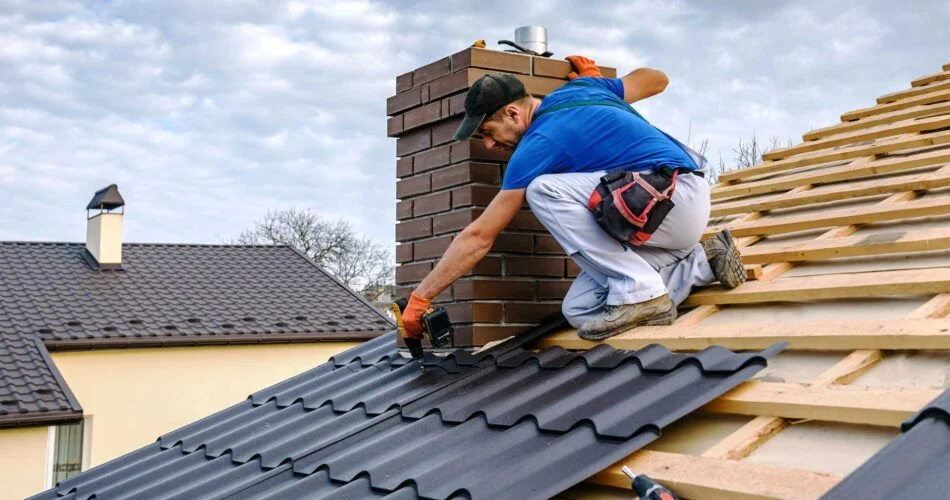
A well-maintained roof is one of the most critical components of any building. It protects your structure from the elements, maintains energy efficiency, and contributes significantly to property value and aesthetic appeal. However, as with any part of a building, roofs are not immune to wear and tear. Over time, exposure to weather, age, and unforeseen damage can take a toll on roofing materials. The key to avoiding costly consequences lies in early detection and timely roof repair.
In this article, we’ll explore why repairing your roof at the right time is more important than many homeowners realize, the most common causes and signs of roof damage, what the repair process entails, and how to find the right professional for the job. Addressing issues early can mean the difference between a simple fix and an expensive replacement, making preventative care an investment rather than a cost.
Why Roof Maintenance and Repair Matter
The roof serves as the primary shield against environmental hazards such as rain, snow, heat, and wind. When it is compromised—even slightly—its ability to protect everything beneath it weakens. A seemingly minor issue, such as a small leak or missing shingle, can gradually lead to mold, water damage, and structural deterioration.
Here’s why prompt roof repair is crucial:
- Protects Property Integrity: Prevents water infiltration that can damage insulation, electrical systems, and internal structures.
- Saves Money: Addressing minor issues before they escalate into major ones reduces the need for extensive repairs or a complete replacement.
- Maintains Energy Efficiency: Proper insulation and ventilation depend on a sealed and undamaged roof, helping reduce heating and cooling costs.
- Preserves Curb Appeal: A clean, intact roof contributes to a property’s appearance and market value.
- Supports Health and Safety: Reduces the risk of mold growth and structural hazards caused by moisture intrusion.
Common Causes of Roof Damage
Roof damage doesn’t happen overnight—most issues develop gradually, often without visible warning signs until it’s too late. Understanding the causes can help you stay proactive.
1. Weather Exposure
Roofs endure the full force of the elements. Hail, heavy rain, high winds, and UV radiation gradually wear down materials, especially shingles and flashing. Storm damage can also cause sudden issues like punctures or dislodged components.
2. Poor Installation
If the roof was not installed properly—whether by using the wrong materials or cutting corners—it may deteriorate faster than expected, leading to premature repair needs.
3. Lack of Maintenance
Routine inspections and cleaning are essential. Clogged gutters, for example, can cause water to back up and seep under shingles, damaging the roof deck and interior ceilings.
4. Aging Materials
Every roofing material has a lifespan. Asphalt shingles typically last 15–30 years, while metal or tile may last longer. Over time, even high-quality materials degrade and lose their effectiveness.
5. Vegetation and Debris
Moss, algae, and debris accumulation can trap moisture, weaken shingles, and cause premature decay. Overhanging tree branches also pose risks of abrasion and impact.
Warning Signs You Need Roof Repair
Spotting roof issues early is key to minimizing damage. Here are some common red flags:
- Water stains or discoloration on ceilings or walls
- Curling, cracked, or missing shingles
- Dark streaks or moss growth on the roof surface
- Sagging rooflines or soft spots
- Granules in gutters (a sign of shingle deterioration)
- Leaks during or after rainstorms
- Increased energy bills due to compromised insulation
Even if the damage isn’t visible from the ground, interior signs of moisture or rising utility costs may point to a failing roof. Regular inspections can identify issues before they become emergencies.
What Happens During a Roof Repair?
The scope of a repair depends on the nature and extent of the damage. A professional roofing technician will follow a structured process to restore your roof’s integrity:
1. Inspection and Diagnosis
A detailed assessment helps locate the source of the problem. The roofer will inspect shingles, flashing, underlayment, and structural components. Drones or infrared tools may be used for larger or complex roofs.
2. Damage Assessment and Estimate
Once the problem is identified, the roofer will provide a written estimate, outlining the required repairs, materials, labor, and timelines. In some cases, photos of the damage are included for transparency.
3. Material Selection
Depending on the repair, matching shingles or roofing material will be sourced to ensure a seamless finish. For older roofs, exact matches might not be available, but close alternatives will be chosen.
4. Repair Work
Common repair tasks include replacing damaged shingles, sealing leaks, fixing flashing, replacing underlayment, or addressing structural weaknesses. The work is usually completed within a day or two, depending on complexity.
5. Post-Repair Inspection
After the repair, a final check ensures the issue has been resolved. Some roofing companies provide warranties or maintenance plans for continued protection.
How to Choose the Right Roofing Professional
Not all roofing contractors are created equal. Choosing the right one is essential for high-quality workmanship and long-term durability. Here’s what to look for:
• Licensing and Insurance
Ensure the contractor is licensed to work in your region and carries liability insurance and workers’ compensation coverage.
• Experience and Track Record
A seasoned professional will have references, reviews, and a portfolio of previous projects. Ask for referrals or check online testimonials.
• Transparent Estimates
Avoid vague or overly cheap quotes. A reputable roofer will provide detailed breakdowns of labor, materials, and contingencies.
• Warranty on Repairs
Professional roofing companies often offer warranties on repairs. This ensures that if an issue arises from their work, it will be addressed at no extra cost.
• Communication and Professionalism
From the first consultation to job completion, a professional roofer should communicate clearly, arrive on time, and respect your property.
Roof Repair vs. Replacement: Knowing the Difference
Not every roofing issue requires full replacement. In fact, many problems can be resolved with targeted repairs—especially when caught early. But there are times when repair is no longer practical:
Opt for Repair if:
- The damage is isolated (e.g., a small leak or a few missing shingles)
- The roof is less than 10–15 years old
- No structural damage is present
Consider Replacement if:
- The roof is near or past its expected lifespan
- Repairs have been frequent or extensive
- Damage affects more than 30% of the roof surface
- You want to upgrade for energy efficiency or resale value
An honest roofer will assess your roof’s condition and recommend the most cost-effective, long-term solution.
Tips for Preventing Future Roof Repairs
Regular maintenance goes a long way in extending the lifespan of your roof and preventing costly repairs. Here are simple tips to follow:
- Schedule Biannual Inspections: Ideally in spring and fall, or after major storms.
- Keep Gutters Clean: Prevent water from backing up and damaging roof edges.
- Trim Overhanging Trees: Reduce impact damage and debris accumulation.
- Remove Moss and Algae: Use roof-safe treatments to prevent growth.
- Monitor Attic Insulation: Poor ventilation can lead to heat buildup and moisture problems.
Being proactive doesn’t just save money—it preserves the safety, beauty, and functionality of your entire home.
Final Thoughts
Roof damage can start small and grow rapidly if not addressed. Regular maintenance, awareness of warning signs, and prompt action are your best defenses against major repair costs. Whether it’s a single missing shingle or a persistent leak, ignoring the issue only increases risk and expense.
Hiring a qualified professional for roof repair ensures the problem is properly diagnosed, resolved, and backed by a guarantee. With the right team, your roof can continue doing its job for years to come—protecting everything and everyone beneath it.
Don’t wait until minor issues become major problems. A trusted contractor specializing in roof repair can offer the peace of mind you need, keeping your property safe, dry, and valuable all year round.