

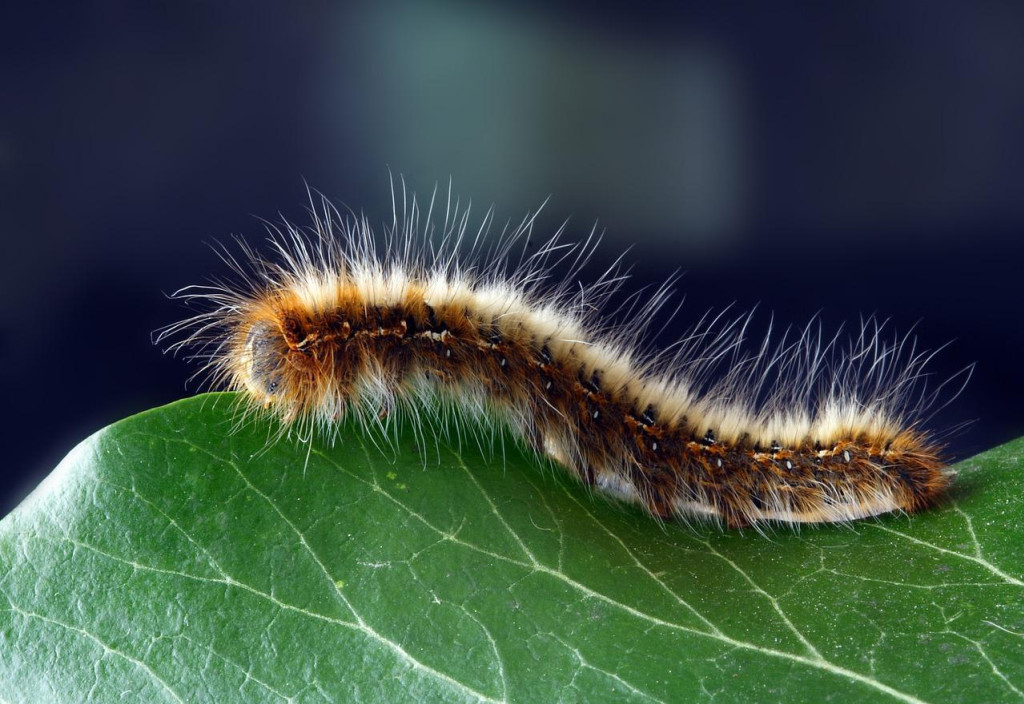
Luxembourg is known for its lush forests, beautiful parks, and tree-lined residential areas. However, alongside this natural beauty comes a recurring seasonal issue: the chenille processionnaire Luxembourg residents increasingly have to deal with every year. These caterpillars are not just a nuisance — they pose serious health risks to humans and animals and can significantly damage trees.
Understanding what processionary caterpillars are, why they are dangerous, and how to deal with them effectively is essential for homeowners, municipalities, and property managers across Luxembourg.
What Is the Processionary Caterpillar?
The processionary caterpillar is the larval stage of moths belonging to the genus Thaumetopoea. In Luxembourg and much of Europe, the most common species are:
- Thaumetopoea pityocampa (Pine Processionary)
- Thaumetopoea processionea (Oak Processionary)
They are called “processionary” because of their unique behavior: they move in long, nose-to-tail lines that resemble a procession. This distinctive formation makes them easy to identify.
While they may appear harmless at first glance, their tiny urticating (irritating) hairs are highly toxic and can cause severe allergic reactions.
Why Are They a Growing Problem in Luxembourg?
Climate change plays a significant role in the increasing presence of processionary caterpillars in Luxembourg. Warmer winters allow more larvae to survive, leading to larger infestations in spring and early summer.
Key contributing factors include:
- Milder winters
- Expanding urban green areas
- Increased plantation of pine and oak trees
- Reduced natural predators
Luxembourg’s mix of forests, parks, and residential gardens creates the ideal environment for these caterpillars to thrive.
Health Risks to Humans
One of the main reasons the processionary caterpillar Luxembourg issue is taken so seriously is because of the health hazards associated with these insects.
1. Skin Reactions
Contact with the caterpillar or even airborne hairs can cause:
- Severe itching
- Red rashes
- Painful irritation
- Blister-like reactions
The hairs break off easily and can remain active for months in nests or surrounding areas.
2. Respiratory Problems
When inhaled, the microscopic hairs may cause:
- Throat irritation
- Coughing
- Breathing difficulties
- Asthma-like symptoms
Children are especially vulnerable because they often play outdoors near infested trees.
3. Eye Irritation
If hairs enter the eyes, they can cause:
- Redness
- Swelling
- Conjunctivitis
- Severe discomfort
Medical attention may be required in serious cases.
Dangers to Pets and Animals
Dogs are particularly at risk because they sniff and lick objects on the ground. Contact with processionary caterpillars can cause:
- Excessive drooling
- Swollen tongue
- Vomiting
- Necrosis (tissue damage) in severe cases
Immediate veterinary treatment is critical if a dog has contact with these caterpillars.
Damage to Trees and Forests
Beyond health concerns, processionary caterpillars can severely damage trees.
They feed primarily on:
- Pine trees
- Oak trees
Large infestations can strip trees of their leaves (defoliation), weakening them and making them more susceptible to disease and other pests. Repeated infestations can eventually kill trees.
This poses environmental, aesthetic, and economic concerns for Luxembourg’s forestry sector and municipalities.
When Is the Risk Highest?
The danger period typically spans:
- Late winter to early summer
- Peak activity: March to June
During this time, caterpillars leave their nests and travel in processions to find suitable spots to pupate in the soil.
Nests are often visible in trees as:
- White silk-like bags
- Cottony masses on branches
Ground processions are especially dangerous because they increase human and pet contact.
How to Identify an Infestation
You may have a processionary caterpillar problem if you notice:
- White silk nests in pine or oak trees
- Long lines of caterpillars moving in single file
- Increased reports of skin irritation in your household
- Unusual behavior in pets (excessive drooling, pawing at mouth)
Never attempt to touch or remove nests yourself.
Why DIY Removal Is Dangerous
Many people attempt to remove nests using household tools. This is highly risky.
Improper removal can:
- Release thousands of toxic hairs into the air
- Increase contamination of the surrounding area
- Expose you to severe allergic reactions
- Spread the infestation further
Protective equipment used by professionals includes:
- Full-body protective suits
- Respiratory masks
- Specialized vacuum systems
- Safe disposal methods
Without proper training and equipment, DIY removal can make the situation worse.
Professional Treatment Options in Luxembourg
Professional pest control companies use several effective methods to manage processionary caterpillars:
1. Mechanical Nest Removal
Nests are carefully removed using specialized vacuum systems that prevent hair dispersion.
2. Biological Treatment
Eco-friendly biological solutions may be applied during early larval stages.
3. Preventive Traps
Pheromone traps help monitor and reduce moth populations.
4. Tree Injection or Spraying
Targeted treatments protect high-risk trees.
Hiring experts ensures safe removal and long-term prevention.
If you are dealing with an infestation, seeking expert help for processionary caterpillar Luxembourg services ensures the problem is handled safely and effectively.
Prevention Tips for Homeowners
While professional intervention is essential for active infestations, homeowners can reduce risk by:
- Regularly inspecting trees during winter and spring
- Avoiding contact with suspicious nests
- Keeping pets on leashes near wooded areas
- Informing local authorities about infestations
- Scheduling preventive inspections
Early detection significantly reduces risk and treatment costs.
Municipal Efforts in Luxembourg
Many communes in Luxembourg actively monitor public parks and school zones. Warning signs are often placed in affected areas to reduce public exposure.
Municipal efforts typically include:
- Tree inspections
- Public awareness campaigns
- Controlled removal programs
- Coordination with pest control experts
Despite these measures, private properties remain the responsibility of homeowners.
Environmental Considerations
It’s important to balance pest control with environmental protection. Modern pest management in Luxembourg emphasizes:
- Targeted treatments
- Minimal chemical use
- Protection of beneficial insects
- Long-term ecological balance
Professional services focus on safe, responsible solutions that minimize environmental impact.
What To Do If You Suspect Contact
If you or someone in your family has been exposed:
- Avoid scratching the affected area.
- Wash skin and clothes immediately.
- Shower thoroughly.
- Seek medical advice if symptoms worsen.
For pets:
- Rinse mouth carefully (avoid getting bitten).
- Visit a veterinarian immediately.
Conclusion
The processionary caterpillar Luxembourg issue is more than just a seasonal nuisance — it’s a serious health and environmental concern. With climate changes increasing their spread, awareness and timely action are more important than ever.
These caterpillars pose significant risks to:
- Humans
- Children
- Pets
- Trees
- Public health
The safest and most effective approach is always professional intervention. Early detection, proper treatment, and preventive measures can protect your family, pets, and property from harm.
If you notice signs of infestation, do not delay. Contact experienced specialists who understand the unique challenges Luxembourg residents face with processionary caterpillars.