

Supporting kids with child developmental delay to build stronger communication skills involves empathy, patience, and tailored techniques. These skills don’t develop overnight, but can flourish with the right tools and strategies. Here are some practical approaches to encourage communication growth in children:
What Are Developmental Delays?
Developmental delays happen when a child’s physical, mental, or cognitive skills develop more slowly than those of their peers. Speech and language delays are also included, which can lead to communication challenges. These delays can look different from child to child; some may have trouble forming words, while others may find it hard to understand language.
Various factors, such as genetics, medical conditions, or environmental influences, might contribute to these delays. No matter the cause, helping children improve their communication skills involves careful observation, empathy, and dedicated support tailored to each child’s needs. Understanding these differences is essential for creating effective strategies to build their skills.
How Do You Start?
To understand a child’s communication needs, start by observing how they express themselves. Pay attention to the gestures, sounds, or facial expressions they use. These small moments of expression are important for understanding their preferred ways of interacting.
Once patterns become clear, respond intentionally. For example, if a child points to an object, name it aloud. Repeating their sounds or gestures and adding words helps reinforce the connection between communication and meaning. Here is a simple approach to support early communication milestones.
- Use real-world scenarios like meals or playtime to encourage speech or signs.
- Pause after speaking to give the child a chance to respond, even nonverbally.
- Offer choices verbally to prompt simple responses, such as “Do you want the car or the ball?”
These steps may promote back-and-forth exchanges. Consistency is typically more impactful than complexity.
What Techniques Work Best?
While techniques need tailoring to fit individual needs, many approaches suit kids with child developmental delay. One effective way to support children with limited verbal skills is by using visual aids, such as pictures or cards. These tools can help bridge the communication gap. For example, a child might point to a picture of a cup to indicate they are thirsty.
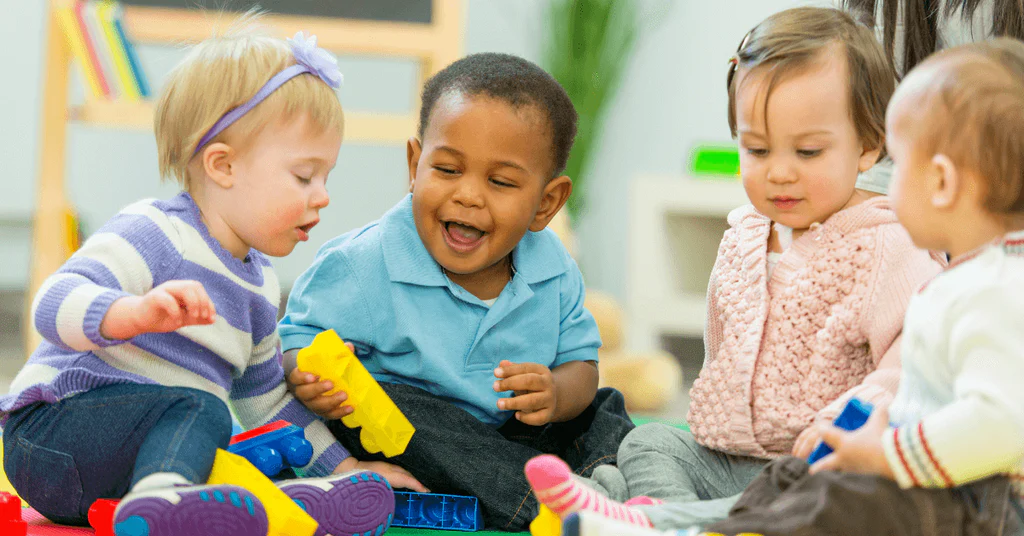
Another helpful strategy is to encourage joint activities that promote natural interaction. Activities like storytime, building blocks, or simple games create opportunities for children to practice communication. It’s also beneficial to describe what’s happening out loud to model language use. Devices or apps designed for alternative communication can assist children who have difficulty speaking. These tools allow children to express their needs and feelings in ways that feel natural and accessible within their abilities.
What Are Practical Tips?
Building communication in children with developmental delays is rewarding but requires consistent effort. Here’s how to focus that effort meaningfully:
- Patience is key – Celebrate every small achievement along the way.
- Repetition matters – Repeating words, sounds, and routines provides comfort and familiarity.
- Visual cues help – Match your words with gestures to improve understanding.
- Positive reinforcement works – Encouragement goes a long way in building confidence.
- Limit distractions – Focused environments foster better engagement.
It’s not just about teaching words but showing that communication opens doors to relationships, needs, and fun.
Find Help for Child Developmental Delay
These experiences help children find their voice, even if it looks different from what they expected. By being patient, supportive, and engaged, you give them the skills to express who they are. Schedule an appointment with a pediatric neurology clinic near you for more assistance.