

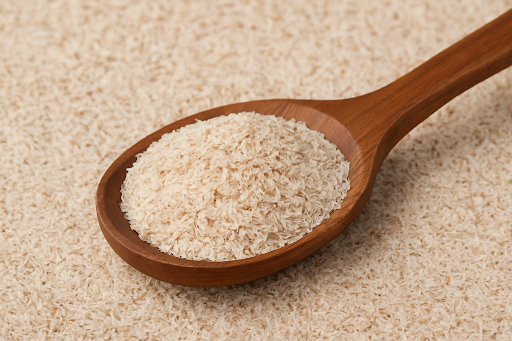
Psyllium husk is a natural fiber with powerful health effects. It supports digestion, heart health, and weight management. However, the term “psyllium husk cancer warning” often causes confusion. In this guide, we’ll explore the real risks and benefits of psyllium. You’ll learn how to use it safely and what science actually says.
What Is Psyllium Husk?
Psyllium husk comes from Plantago ovata seeds, primarily grown in India. It is a rich source of soluble fiber. When taken with water, it forms a gel in the gut. This helps soften stool and regulate bowel movements. Available in powder, capsule, and tablet form, psyllium is widely used for digestive wellness.
Digestive Health Benefits
Psyllium is highly effective for treating constipation and diarrhea. It adds bulk to the stool and improves consistency. People with IBS often benefit from regular psyllium use. It normalizes bowel movements without irritating the colon. This makes psyllium ideal for daily digestive support. A well-balanced gut leads to overall health improvements.
Heart Health and Cholesterol Control
Psyllium binds to bile acids created from cholesterol. This process forces the liver to use stored cholesterol. As a result, LDL levels drop naturally. Multiple studies confirm this cholesterol-lowering effect. The American Heart Association supports fiber use. Psyllium plays a key role in managing cardiovascular risks.
Managing Blood Sugar in Diabetes
For diabetics, psyllium offers excellent support. It slows down carb digestion and absorption. This prevents sudden glucose spikes after meals. Taking psyllium before meals stabilizes blood sugar levels. It works best with a low-glycemic diet. Always consult your doctor for tailored diabetes plans.
Appetite Control and Weight Support
Psyllium expands in the stomach, creating fullness. This reduces hunger and calorie intake. It’s most effective when taken 30 minutes before meals. Combined with diet and exercise, it supports weight loss. Psyllium isn’t a quick fix, but it helps with long-term goals. Sustainable changes matter most.
Psyllium Husk Cancer Warning: Understanding the Origins
The “psyllium husk cancer warning” comes from California’s Prop 65 law. It requires labels on products with even slight risks. Inhalation of psyllium dust in factories may cause irritation. However, this warning doesn’t apply to oral consumption. No solid studies link eating psyllium with cancer.
Does Psyllium Reduce Cancer Risk?
Fiber-rich diets lower colon cancer risks. Psyllium helps move waste faster through the colon. This limits exposure to harmful toxins. It also reduces inflammation and supports gut lining health. These effects may offer protection against colorectal cancer. More research supports these benefits every year.
Scientific Evidence: Psyllium and Cancer
No reliable research shows psyllium causes cancer. In fact, it may reduce the risk of certain cancers. Colon health improves with regular fiber intake. Psyllium reduces internal pressure and enhances gut microbiome balance. The scientific community considers psyllium safe. Human studies support its protective effects.
Possible Side Effects to Watch
Side effects are usually minor and include gas or bloating. Drinking too little water may cause choking. Some people feel cramping or fullness. These symptoms fade with proper use. Start with small amounts and increase gradually. Hydration is essential when taking fiber supplements.
Allergic Reactions: Rare but Possible
Though rare, allergies can occur. Look for signs like rashes, swelling, or itching. More serious reactions involve breathing trouble. People with asthma should avoid inhaling powder. Use capsules or mix powder carefully. If symptoms appear, stop usage and consult a doctor. Always test with small doses first.
Psyllium and Medication Timing
Psyllium can affect how your body absorbs medicine. To avoid this, don’t take it with prescriptions. Wait at least two hours between psyllium and meds. Always check with your doctor if you’re on medication. It’s better to be safe. Your doctor can adjust dosage timing.
How Much Psyllium Is Safe?
Begin with 5 grams once a day. Mix it into water or juice. Drink another full glass right after. Increase slowly if needed. Never take psyllium dry. Follow product labels for specific amounts. Proper hydration prevents choking or blockage. Consistency leads to better results.
Who Should Avoid Psyllium?
People with trouble swallowing should avoid psyllium. It may expand in the throat and cause choking. Those with bowel blockages must consult a doctor. Pregnant women should also seek advice before use. Psyllium is safe, but only when used correctly. Always follow your health provider’s recommendations.
Choosing the Best Psyllium Products
Go for natural, unsweetened psyllium husk. Avoid flavored versions with added chemicals. Look for certifications or third-party testing. Capsules are good for convenience. Powders offer more control over dosage. Read ingredient lists carefully. Quality affects how well the fiber works. Choose clean, reliable brands.
Should You Worry About Cancer Warnings?
The psyllium husk cancer warning mostly applies to workplace inhalation. Regular users face no cancer risk from consumption. The warning is a legal precaution, not a health alert. Use psyllium correctly and stay hydrated. Monitor for any allergic response. It remains a safe dietary fiber for most.
What Health Experts Recommend
Doctors and nutritionists endorse psyllium for various conditions. It supports gut health, heart health, and sugar control. Fiber is a key part of modern health advice. Psyllium fits perfectly into high-fiber diets. Experts agree it is safe for regular use. Stick to guidance and recommended dosages.
Psyllium Husk Cancer Warning: Final Take
The psyllium husk cancer warning creates confusion. But it’s mainly about dust exposure in factories. Eating psyllium is not dangerous. On the contrary, it can help prevent disease. Especially when paired with good hydration and nutrition. Use psyllium responsibly and get the full benefit.
FAQs About Psyllium and Cancer
Can psyllium prevent colon cancer?
Yes. It supports bowel health and toxin removal.
Why does the product carry a cancer warning?
Due to California Prop 65 law, not consumption-related risks.
Is psyllium safe for kids?
Yes, in smaller doses with pediatric guidance.
How long can I take psyllium?
Long-term use is safe with proper hydration.
Does psyllium interfere with medications?
Yes, separate doses by two hours.
Final Words: Use It Right, Reap the Rewards
Psyllium husk delivers many benefits with few risks. The “psyllium husk cancer warning” shouldn’t stop you. It’s safe when used properly. Follow dosage, stay hydrated, and consult a doctor when unsure. With mindful use, psyllium becomes a trusted health ally.
Here is our new website, betweencarpools.net, dedicated to modern Jewish women seeking practical tips, recipes, and lifestyle inspiration.
Visit The Inscriber Mag for more informative blogs