

The modern cigar lounge has evolved far beyond a simple room with ashtrays and dim lighting. Today’s discerning patrons expect an experience that blends sophistication with genuine comfort, and nothing shapes that experience more powerfully than the seating they settle into for an hour-long smoke. As lounge owners and cigar enthusiasts invest more thoughtfully in their spaces, a central question has emerged: should you furnish with classic traditional seating or embrace the growing trend of reclining loveseats? It’s a debate that touches on aesthetics, functionality, and the deeply personal nature of enjoying a fine cigar. Enthusiasts want seating that supports extended relaxation without sacrificing the elegant ambiance that defines a premium lounge. In this article, we’ll compare both seating styles across comfort, design, and practicality, then offer actionable guidance for anyone looking to create or upgrade a cigar lounge that keeps guests coming back session after session.
The Fundamentals of Cigar Lounge Seating and Atmosphere
Walk into any top-tier cigar lounge and the first thing that registers—before the cedar aroma, before the whiskey menu—is the seating. It communicates everything about the establishment’s identity. A well-appointed chair tells a guest they’re valued; a worn-out cushion tells them to find somewhere else. In VIP rooms and private clubs, where memberships can hinge on perceived exclusivity, seating becomes even more critical. It’s not merely furniture; it’s the foundation of the entire client experience.
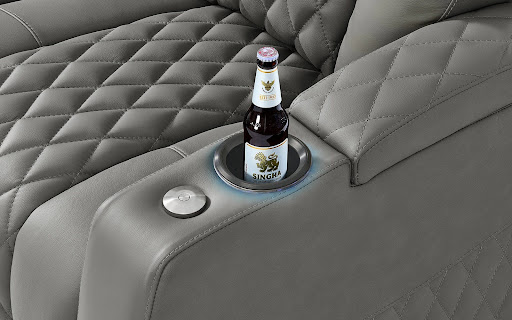
Lounge owners who understand this invest accordingly, and the results speak through retention rates and word-of-mouth reputation. Guests who feel genuinely comfortable during a 90-minute smoke are guests who return weekly and bring friends. Those who shift restlessly in a stiff seat rarely come back. When evaluating seating for a cigar-focused environment, three considerations rise above the rest: ergonomic support that accommodates long sessions, materials that resist smoke absorption and aging, and a visual presence that reinforces the lounge’s atmosphere rather than clashing with it. Every seating decision should be filtered through these priorities, whether you’re outfitting a boutique neighborhood lounge or a sprawling members-only club. Getting this balance right is what separates forgettable spaces from destinations.
Traditional Seating for Cigar Lounges: Pros and Cons
When most people picture a cigar lounge, they imagine deep-buttoned leather armchairs, tufted Chesterfield sofas, and wingback chairs arranged around low wooden tables. These traditional options have anchored lounge design for decades, and their enduring popularity isn’t accidental. They project authority, refinement, and a sense of heritage that resonates with cigar culture’s emphasis on craftsmanship and tradition. A well-chosen leather club chair can anchor an entire room, giving guests the immediate impression that they’ve stepped into a space built for connoisseurs.
Advantages of Traditional Seating
Traditional seating excels at creating visual cohesion within a lounge environment. Pieces like rolled-arm sofas and tufted armchairs blend naturally with dark wood paneling, brass fixtures, and vintage artwork—the hallmarks of classic cigar lounge decor. The materials used in quality traditional furniture, particularly full-grain leather and hardwood frames, age gracefully and develop character over time rather than looking worn. Maintenance tends to be straightforward: leather wipes clean, resists odor absorption better than fabric, and holds up well in smoke-heavy environments. From a layout perspective, traditional pieces are predictable in footprint, making it easy to plan spacing and traffic flow. For lounge owners who want a timeless look that requires minimal updating over the years, these options deliver reliable value.
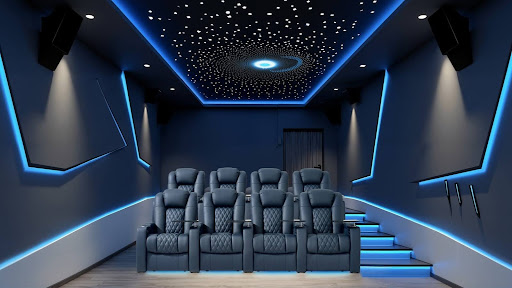
Disadvantages of Traditional Seating
The chief limitation of traditional seating is its rigidity. A classic armchair offers one sitting position, and if that position doesn’t suit a guest’s body or preference, there’s no adjustment available. During sessions that stretch past an hour, this becomes a real problem—guests begin shifting, crossing and uncrossing legs, and ultimately cutting their visit short. Traditional sofas, while comfortable initially, often lack the lumbar and neck support that longer sessions demand. There’s also the question of modern expectations: today’s patrons, especially younger cigar enthusiasts, are accustomed to seating that adapts to them rather than the other way around. Fixed-position furniture offers no footrest, no recline angle, and no built-in conveniences. While the aesthetic appeal remains strong, the functional gap between what traditional seating provides and what extended cigar enjoyment requires is increasingly difficult to ignore.
Reclining Loveseats: A Modern Solution for Enhanced Comfort
As cigar culture attracts a broader and younger demographic, lounge owners are rethinking what comfort actually means in a smoke-friendly setting. Reclining loveseats have emerged as a compelling answer—a seating category that merges the intimacy of a two-person arrangement with the adaptive functionality that modern guests expect. Originally popularized in home theater setups, the reclining theater loveseat for home has been reimagined for commercial lounge environments, where durability and aesthetics must meet higher standards. The transition works because the core value proposition remains the same: let the guest find their ideal position and stay there, undisturbed, for as long as the cigar lasts.
Key Features and Benefits
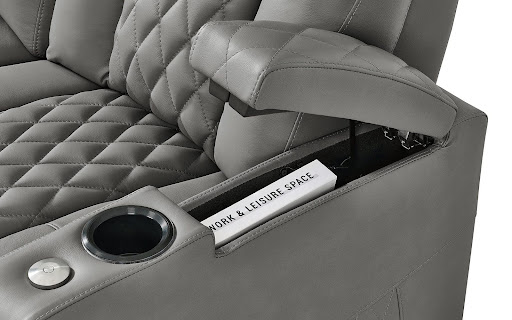
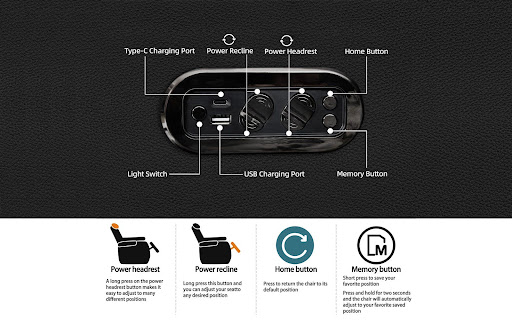
What sets reclining loveseats apart is their ability to accommodate the body through multiple phases of a long session. Motorized recline mechanisms allow guests to shift from an upright conversational posture to a fully reclined relaxation angle with the press of a button—no awkward lever-pulling or repositioning required. Quality models feature independently adjustable headrests and extendable footrests, meaning each guest on the loveseat controls their own comfort without affecting the person beside them. Built-in amenities like recessed cup holders keep a whiskey glass or espresso within arm’s reach, eliminating the need for crowded side tables. Premium upholstery options, including top-grain leather and performance microfiber treated for smoke resistance, ensure the seats hold up under heavy use while remaining easy to clean. Brands like Comfiroom have developed lines specifically engineered for lounge and commercial applications, combining reinforced frames with high-density foam that resists the gradual compression that plagues cheaper alternatives. For guests settling into a 90-minute or two-hour smoke, the difference in sustained comfort is immediately noticeable—less fidgeting, fewer breaks, and a more immersive experience overall.
Design Integration in Lounges
A common misconception is that reclining loveseats look too casual or home-theater-like for a refined cigar lounge. That perception is outdated. Today’s commercial-grade reclining loveseats are available in sleek, tailored silhouettes that rival traditional furniture in visual sophistication. Low-profile arms, clean stitching patterns, and rich leather finishes allow these pieces to sit comfortably alongside dark wood accents, ambient lighting, and the kind of curated decor that defines a premium lounge. Some manufacturers offer customizable upholstery colors and stitching details, giving owners the ability to match existing palettes precisely. When arranged thoughtfully—angled toward a central fireplace, paired along a lounge wall, or positioned in semi-private VIP alcoves—reclining loveseats enhance the atmosphere rather than disrupting it. The key is selecting models designed with commercial elegance in mind rather than retrofitting residential furniture into a professional space.
Comparative Analysis: Comfort and Design in Reclining vs. Traditional Seating
When placed side by side in a real lounge environment, the differences between these two seating categories become strikingly clear. On comfort metrics, reclining loveseats hold a decisive advantage for sessions exceeding 45 minutes. Adjustable recline angles distribute body weight more evenly, independent headrests reduce neck strain during upward smoke exhales, and extendable footrests eliminate the crossed-leg fatigue that plagues traditional armchair users. In a private club setting where members routinely settle in for two-hour evenings, these ergonomic differences translate directly into longer visits and higher per-session spending at the bar.
On design aesthetics, traditional seating still carries a slight edge in immediate visual impact—a row of tufted Chesterfields communicates heritage and gravitas in a way that’s hard to replicate. However, that gap is narrowing rapidly. Premium reclining loveseats now feature tailored profiles and rich leather finishes that hold their own in sophisticated interiors. Consider a VIP alcove scenario: two guests sharing a reclining loveseat can each adjust independently while conversing, something no traditional sofa allows. In an open lounge floor, traditional armchairs may better facilitate group arrangements around a central table. The practical takeaway is that neither option universally outperforms the other—context matters. The strongest lounges increasingly use both, placing traditional pieces in social gathering zones and reclining loveseats in areas designed for deeper, longer relaxation.
Practical Solutions for Selecting and Implementing Optimal Seating
Choosing the right seating for a cigar lounge isn’t a single decision—it’s a sequence of deliberate steps that account for your space, your clientele, and your long-term vision. Whether you’re building from scratch or refreshing an existing layout, a structured approach prevents costly missteps and ensures the final result serves both form and function.
Step-by-Step Selection Guide
Start by mapping your space and understanding who uses it. Measure your floor plan carefully, noting traffic paths, ventilation zones, and focal points like fireplaces or humidor displays. Then survey your clientele—are they primarily solo smokers who want privacy, pairs who enjoy conversation, or groups that gather socially? This determines whether individual chairs, loveseats, or a combination will serve best. Next, evaluate specific seating options against two non-negotiable criteria: comfort during sessions of at least 60 minutes and visual alignment with your lounge’s design language. For comfort, prioritize models with adjustable recline, high-density foam that won’t flatten within a year, and independent controls for shared seating. For design, request upholstery samples and compare them against your existing palette under your actual lighting conditions—colors shift dramatically under warm ambient light versus showroom fluorescents. Factor in maintenance realities: smoke-exposed furniture needs materials that won’t trap odor or degrade from repeated cleaning. Finally, order samples or visit showrooms to physically test your top choices before committing to a full order. Sit in them for 30 minutes minimum, simulating a real session.
Implementation Tips for Lounge Owners
When introducing new seating, phase the transition rather than overhauling everything at once. Start with a VIP section or a designated corner, allowing regulars to experience the upgrade without feeling disoriented by a complete redesign. Position reclining loveseats in lower-traffic areas where guests can fully extend without blocking walkways. Maintain ambiance continuity by matching hardware finishes—if your lounge features brass accents, select seating with complementary metal details on bases or armrest trim. Brief your staff on how the new seating works, especially motorized recline controls, so they can guide guests naturally rather than leaving them to fumble. Encourage staff to mention the seating as part of the welcome experience, reinforcing that comfort is intentional and curated. Monitor guest feedback actively during the first month, noting which positions get requested most and adjusting your layout accordingly.
Blending Seating Styles for the Ultimate Cigar Lounge Experience
The choice between reclining loveseats and traditional seating ultimately comes down to what kind of experience a cigar lounge aims to deliver. Traditional pieces like leather armchairs and Chesterfield sofas bring undeniable visual gravitas, timeless elegance, and straightforward durability—but they ask guests to conform to a single sitting position, which becomes a real limitation during longer sessions. Reclining loveseats answer that limitation directly, offering adjustable comfort, independent controls for shared seating, and integrated amenities that keep guests settled in and spending more time in the lounge. Their design has matured to the point where they no longer compromise a refined atmosphere.
For cigar enthusiasts and lounge owners alike, the smartest approach is rarely an either-or decision. Blending both styles across different zones—traditional seating for social areas and reclining loveseats for extended relaxation spaces—creates a layered experience that serves every guest and every mood. Looking ahead, expect the line between these categories to blur further as manufacturers develop hybrid designs that combine classic aesthetics with adaptive ergonomics. The lounges that thrive will be those that treat seating not as an afterthought but as the cornerstone of an unforgettable cigar experience.