

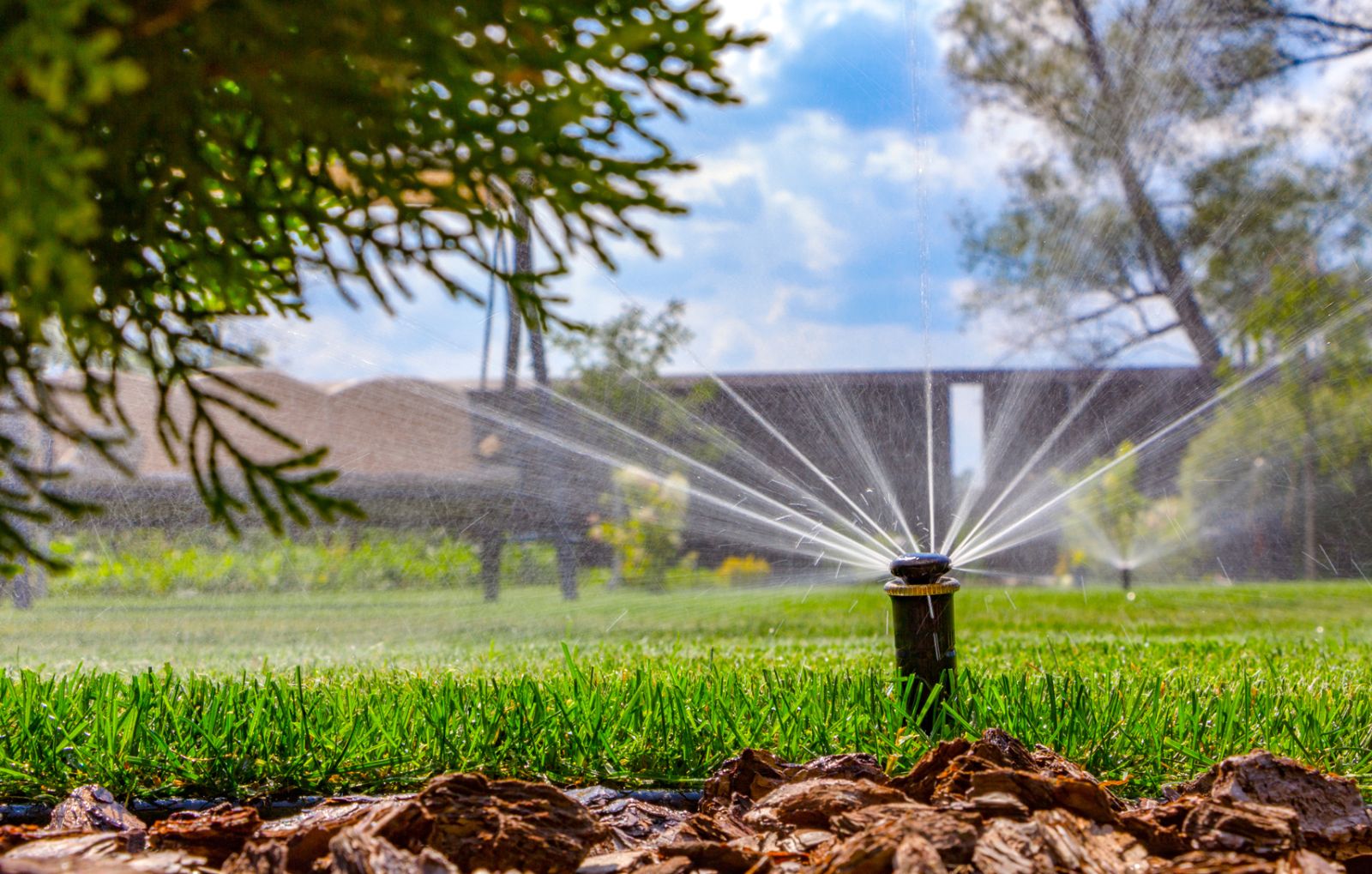
Irrigation is often seen as just a technical aspect of landscape management, but what if we told you it could be the foundation for a healthier environment, significant cost savings, and even community growth? Whether you’re managing a suburban garden, a commercial complex, or an agricultural farm, irrigation system installation is more complex than simply laying out pipes and sprinklers.
What makes this topic exciting is not the process but the broader impact it can have. Today, we’ll explore the lesser-discussed benefits of modern irrigation installation, its intersection with technology, and why mindfully planned irrigation systems are more than just a convenience.
Why Irrigation Systems Are More Than Meets the Eye
We often simplify irrigation into one role—to water plants. But that’s only scratching the surface. A well-installed irrigation system is like a behind-the-scenes player working tirelessly to optimize resource efficiency, prevent water wastage, and set the stage for sustainable growth.
Environmental Benefits
Modern irrigation systems, especially those leveraging smart technologies, are a blessing for the environment. Here’s how they make a difference:
- Minimized Water Waste: Smart irrigation systems strategically deliver water only when needed, using sensors to track soil moisture, precipitation, and temperature.
- Reduced Runoff and Erosion: Proper irrigation installation ensures that water is directed exactly where it’s needed, preventing harmful runoff into local waterways.
- Conservation of Natural Resources: By using every drop wisely, resources like fresh groundwater are preserved for future generations.
Economic Impacts
Did you know that efficient irrigation systems could directly impact your bottom line? Poor irrigation practices can lead to excessive water bills, higher maintenance costs, or even crop loss for agricultural setups. Here’s how high-quality irrigation installation is an investment rather than an expense:
- Lower Water Bills: With properly programmed systems and optimized placement, you only use as much water as necessary.
- Reduced Maintenance Costs: High-quality, properly-installed irrigation components last longer and require fewer repairs.
- Improved Agricultural Yields: Particularly in farming, intelligent irrigation ensures crops receive consistent and adequate watering, maximizing yields.
Societal Impacts
An irrigation system that’s optimally installed extends its benefits beyond the individual owner. It can shift the larger community vibe by influencing broader societal factors:
- Green Spaces for Urban Areas: Well-irrigated parks and gardens enrich the quality of life in urban settings.
- Food Security Through Agriculture: For communities relying on agricultural produce, efficient irrigation systems translate to food security.
The Role of Technology in Modern Irrigation
Irrigation system installation involves advanced technologies that optimize water usage and promote sustainability. Modern systems integrate precise controls and smart automation to ensure landscapes receive the appropriate amount of water at the right times. This level of efficiency reduces waste and lowers operational costs while supporting the health of plants and soil. Engaging professionals for irrigation system installation guarantees a tailored solution designed to meet the specific demands of your property and environment.
Here’s a deep dive into important technology trends transforming irrigation today.
Smart Controllers
Smart irrigation controllers have emerged as a game-changer. These devices evaluate local weather data to adjust watering schedules dynamically, ensuring efficient water use. Forget traditional timers; smart systems adapt in real-time.
Drip Irrigation Systems
One of the most efficient forms of watering, drip systems deliver water directly to plant roots, reducing evaporation and preventing leaf diseases caused by excessive moisture. Installing this system is ideal for all setups—from home gardens to large-scale farms.
IoT and Automation
Augmenting irrigation with the Internet of Things (IoT) enables real-time data collection and monitoring. Sensors placed in landscapes can communicate with irrigation systems to optimize their performance. Automation further allows systems to operate without manual interference, saving time and energy.
Example
A farming community in California recently implemented IoT-integrated irrigation systems. The result? A 20% reduction in water usage across agricultural fields, all while increasing crop yields by 15%.
Dispelling the Myths Around Irrigation Installation
Despite the obvious benefits, misconceptions often deter people from investing in irrigation systems. Here, we bust some common myths.
Myth 1: Irrigation Systems Waste Water
Reality: Smart irrigation systems use advanced technology to conserve water by operating with precision.
Myth 2: They Are Too Complex to Maintain
Reality: While you may need a professional for the initial installation, modern systems often require minimal upkeep thanks to their durable components.
Myth 3: Installation Costs Are Too High
Reality: While there’s an upfront cost, the long-term savings through lower water bills, reduced maintenance, and better plant health easily outweigh the investment.
How to Think Differently About Irrigation Installation
The outdated idea of irrigation being just a technical utility fails to capture its true potential. Here are some creative approaches to consider for your next system.
Think Sustainability
- Choose systems that prioritize eco-friendliness, such as rainwater harvesting irrigation.
- Incorporate native plants that require less watering but benefit most from strategically planned irrigation.
Focus on Integration
Integrate irrigation seamlessly with your landscape’s aesthetic. Underground drip systems, for example, preserve the look of your yard while delivering maximum functionality.
Collaborate with Experts
DIY may be tempting, but professional input ensures the system is tailored to your specific needs. Experts can assess soil types, slope, and climate factors to deliver a smarter design.
How to Take the First Step
The benefits of irrigation system installation go far beyond ease of watering. Whether you’re looking to boost your farm yield, upgrade your garden’s efficiency, or promote sustainability in your landscape design, the key lies in starting with the right system and approach.
Want professional advice? Reach out to our team to explore installation options and choose the technology that works best for you.