

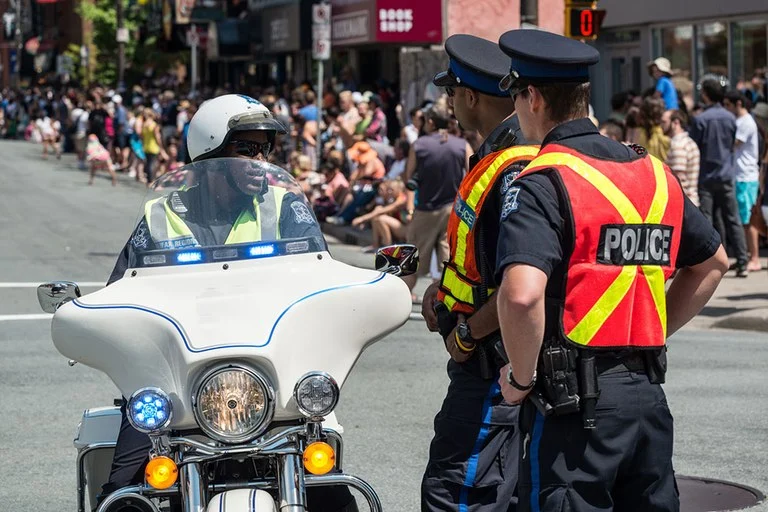
Getting stopped by law enforcement while riding your motorcycle can feel intimidating, even if you haven’t done anything wrong. That’s why it’s important to understand your rights and know how to respond calmly and respectfully. A motorcycle accident lawyer in Kansas will tell you that how you handle a traffic stop can impact more than just a ticket; it can affect your legal standing down the road. Whether you’re new to riding or have years of experience, a little preparation goes a long way. In this article, we’ll walk through what Kansas riders should know when interacting with police.
Know the Laws Before You Ride
Before you even hit the road, it’s important to understand the basic motorcycle laws in Kansas, things like helmet requirements, lane usage, and licensing rules. Knowing the law helps you ride with confidence and reduces the chances of being stopped in the first place. Plus, if you do get pulled over, being informed shows you’re a responsible rider, not someone looking for trouble.
What to Do if You Are Pulled Over
Here’s how to handle the situation if you’re ever pulled over while riding in Kansas. Staying calm, respectful, and aware of your surroundings can make the whole experience go much more smoothly, for both you and the officer.
Pull Over Safely
As soon as you notice the lights or hear the siren, find a safe spot to pull over, ideally on the right shoulder or a nearby parking lot. Use your turn signal and slow down smoothly to show the officer you’re cooperating. Turn off your engine, remove your helmet, and stay on the bike unless directed otherwise. This helps the officer feel more at ease and shows you’re not planning to take off.
Keep Your Hands Visible
Rest your hands on the handlebars and avoid making sudden movements. Officers are trained to watch for potential threats, so visible hands help lower tension. Don’t reach into your pockets or grab for your documents until the officer asks. Moving too quickly can create confusion or raise suspicion.
Be Prepared with Your Documents
Have your license, registration, and insurance easily accessible, but wait until the officer requests them. Keeping them in a designated, easy-to-reach spot can save time and stress. If you need to reach for something in a bag or pocket, let the officer know what you’re doing. A simple “My registration is in my jacket pocket, is it okay if I grab it?” goes a long way.
Stay Respectful and Calm
Keep your tone polite and avoid arguing, even if you disagree with the stop. Staying calm doesn’t mean giving up your rights: it just makes things easier in the moment. If you feel the stop is unfair, note the details and deal with it afterward. You can always speak to a lawyer later, but arguing on the side of the road rarely helps.
Communicate Calmly and Clearly
When you’re talking to an officer, keep your voice calm and your answers simple. You don’t have to explain every detail. Just respond politely and avoid sounding defensive or irritated. Clear, respectful communication helps the stop go faster and shows that you’re cooperative, not confrontational.
Understanding Your Rights During a Stop
It’s important to know your rights as a motorcycle rider in Kansas, especially during a traffic stop. Understanding what an officer can and can’t do helps you stay confident and protects you from saying or doing something that could be used against you later.
You Do Not Have to Consent to a Search
Unless the officer has a warrant or sees something illegal in plain view, you don’t have to agree to a search of your bike or bags. You can calmly say, “I don’t consent to a search” without being aggressive. Politely standing your ground is not the same as being uncooperative. It’s your legal right, and a good officer will respect that.
You Have the Right to Remain Silent
You’re required to provide basic information like your name, license, and registration, but you don’t have to answer other questions beyond that. If you’re unsure, it’s okay to say, “I’d rather not answer any more questions without a lawyer.” Staying quiet isn’t an admission of guilt, it’s a way to protect yourself, especially if things get complicated.
You Can Document the Interaction
If you feel the stop is going in the wrong direction, you have the right to record the encounter (as long as you’re not interfering). This can be helpful if you later need to file a complaint or speak with a lawyer. Just let the officer know you’re recording: for example, “I’m going to record this for my own records.” Being transparent can reduce tension and keep everything above board.
You Can Follow Up After the Stop
If you feel your rights were violated or the stop was handled poorly, you don’t have to settle it on the roadside. Make a note of what happened, including badge numbers, locations, and time. Reach out to a motorcycle accident lawyer who understands rider rights, because they can help you decide what to do next.
Avoiding Common Misunderstandings
Even when you’re doing everything right, misunderstandings can still happen, especially if an officer has assumptions about motorcyclists. Here are a few common situations to watch out for and how to handle them smoothly.
Loud Pipes or Custom Modifications
Custom exhaust systems or flashy modifications might get you noticed, even if they’re legal. Some officers may assume you’re riding recklessly just based on how your bike looks or sounds. Keep your paperwork handy, and be ready to explain calmly that your bike is street legal if questioned. Being polite but informed can clear up most issues quickly.
Group Riding Confusion
Riding with a group can sometimes look chaotic to drivers or police, especially if spacing or formation isn’t tight. This can lead to mistaken assumptions about racing or reckless behavior. Make sure everyone in your group knows the rules of the road and rides in a safe, consistent pattern. If pulled over, speak for yourself respectfully and avoid getting defensive about the group as a whole.
Misconceptions About Riders
Unfortunately, some people (including law enforcement) may still have outdated stereotypes about motorcyclists being reckless or confrontational. You can’t control their assumptions, but you can control your response. Being calm, respectful, and cooperative helps break those stereotypes and keeps the situation from escalating.
Unfamiliarity with Motorcycle Laws
Not every officer knows the finer details of Kansas motorcycle law, especially if they don’t often deal with riders. You might get questioned about things like lane positioning or helmet use, even when you’re following the law. Stay confident and respectful. If you know you’re right, politely explain your understanding and, if needed, mention that you’re happy to clarify it later with legal help.
When Things Go Wrong
Sometimes, even when you do everything right, a stop can still go sideways. You still might get an unfair ticket or feel like you were treated poorly. Don’t argue on the spot; instead, document what happened and deal with it afterward. That’s when talking to a motorcycle accident lawyer in Kansas can really help you figure out your next steps.
Building Better Rider Officer Relations
Positive interactions with law enforcement start with mutual respect. Whether you’re at a checkpoint, a local event, or just out riding, being friendly and professional can go a long way in building trust. The more riders and officers understand each other, the safer and smoother things become for everyone on the road.
Conclusion
Knowing your rights and staying respectful during a traffic stop can make all the difference when you’re out riding in Kansas. A little preparation helps you avoid unnecessary trouble and keeps your focus where it belongs: on the open road. Safe journeys!