

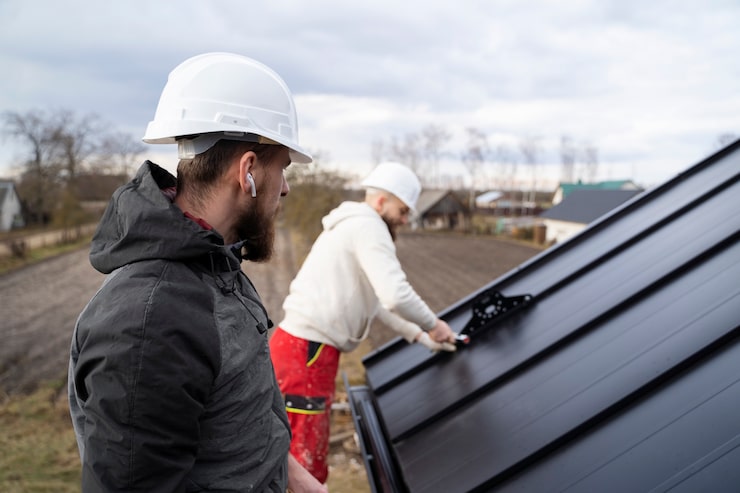
Your roof is one of the most important parts of your home, protecting it from rain, snow, wind, and sun. Over time, even the best roofs wear down. Regular inspections are essential to prevent minor issues from becoming costly repairs. A simple inspection can uncover small leaks, cracked shingles, or weak spots that may not be visible from the ground.
Homeowners who invest in regular inspections can extend their roof’s lifespan and avoid emergency repairs. It’s not just about fixing damage—inspections help maintain energy efficiency and structural safety. In regions with frequent storms or snow, inspections are critical for keeping the roof in top shape throughout the year.
What a roof inspection Covers
Exterior and Interior Checks
A professional roof inspection involves a complete review of both the outside and inside of the roofing system. On the exterior, roofers look at the shingles, flashing, gutters, and edges. They check for cracked or curling shingles, broken seals, clogged drainage, and wear near roof penetrations like vents or chimneys.
Inside the attic, inspectors search for signs of water stains, poor insulation, wood rot, or mold growth. These signs may indicate hidden leaks or poor ventilation. Together, these checks give a full picture of your roof’s condition.
Use of Modern Tools
Many roofing professionals now use advanced tools to find hidden issues. Drones can capture images of hard-to-reach areas. Infrared cameras help detect moisture trapped beneath the surface. These tools improve the accuracy of inspections and reduce the risk of missed damage.
When and How Often to Get Your Roof Inspected
Roof inspections should happen at least once a year. Spring and fall are the best times since extreme weather is less likely and issues from summer or winter can be caught early. If your area experiences a major wind or hailstorm, schedule a post-storm inspection to identify damage right away.
Homeowners planning to sell their home should also get an inspection. A documented roof condition report can help buyers feel more confident and avoid surprises during the sale process. Additionally, keeping up with regular inspections may be a requirement if your roof is under warranty.
Key Signs That You Need a Roof Inspection
Some signs of roof damage are obvious—missing shingles, leaks, or stains on your ceiling. Others are more subtle, like rising energy bills or musty odors. Granules in your gutters, discoloration on shingles, or mold on attic beams may also signal issues.
Sagging areas along the roofline could mean water damage to the structure underneath. Any of these signs should prompt an immediate inspection to prevent further harm to your home.
Choosing the Right Roofer for Inspection or Repairs
Not all roofers are equal. Look for one who is licensed, insured, and experienced with local building codes. A good roofer provides detailed inspection reports, offers fair pricing, and explains repair options clearly. They won’t rush you into a decision but will ensure you understand the condition of your roof.
Working with a professional who understands your area’s climate ensures that your roof is built—and maintained—for long-term performance.
How Ventilation Impacts Your Roof’s Performance
Ventilation is a critical yet often overlooked part of a healthy roof system. Without proper airflow, heat and moisture can build up in your attic. Over time, this leads to mold growth, wood rot, and reduced insulation effectiveness.
Roofers install ventilation systems that include soffit vents, ridge vents, or gable vents. These help regulate temperature, reduce moisture, and extend the life of both the roof and the materials beneath it. If your roof isn’t ventilating properly, a professional can recommend upgrades during an inspection.
Roof Inspections and Insurance Claims
Roof inspections play an important role in insurance claims, especially after storm damage. A certified roofer can document affected areas with photos and reports. This helps verify the cause and extent of the damage, making it easier for insurance companies to process your claim.
Without a proper inspection, it’s harder to prove that damage was caused by a specific event. Regular inspections also create a paper trail showing that you’ve maintained your roof responsibly.
Regular inspections, skilled workmanship, and proper ventilation keep your roof performing at its best. A proactive approach helps homeowners protect their investment, avoid surprise repairs, and enjoy peace of mind year-round.