

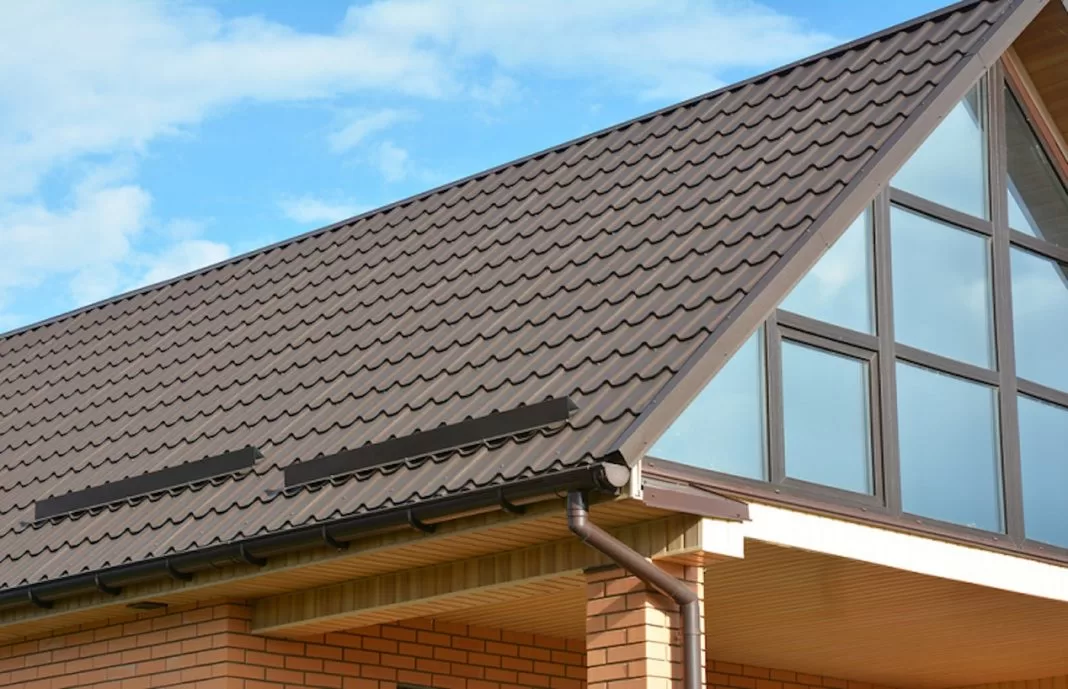
The most popular roofing trends in Charlotte, NC for 2025 include sustainable solar roofing systems, impact-resistant materials for storm protection, smart technology integration, cool roofing for energy efficiency, and darker color schemes like charcoal gray and black. Metal roofing, particularly standing seam systems, and synthetic materials that replicate premium slate and shake are also gaining significant traction among homeowners and businesses.
The Charlotte metropolitan area is experiencing unprecedented growth, and with it comes a surge in residential and commercial construction that’s reshaping the city’s skyline. As homeowners and businesses invest in new properties or upgrade existing structures, roofing has become a focal point for both aesthetic appeal and functional performance. The Queen City’s unique climate challenges, combined with evolving architectural preferences and advancing technology, are driving several key trends in the roofing industry this year.
Sustainable Roofing Solutions Take Center Stage
Environmental consciousness is driving significant changes in material selection across Charlotte neighborhoods. Solar roofing systems have evolved beyond bulky panels to sleek, integrated solutions that blend seamlessly with traditional materials. Tesla’s Solar Roof tiles and similar products from competing manufacturers are gaining traction among environmentally conscious homeowners who want clean energy without compromising curb appeal.
Green roofing systems are also making inroads in Charlotte’s commercial sector. These living roofs provide natural insulation, reduce stormwater runoff, and create urban green spaces that help combat the heat island effect common in rapidly developing metropolitan areas. Several new apartment complexes and office buildings in South End and Uptown have incorporated extensive green roof systems, setting a precedent for future developments.
The benefits of sustainable roofing solutions include: • Reduced environmental impact through recycled and recyclable materials • Lower long-term energy costs from improved thermal performance • Enhanced property values through modern, eco-friendly features • Decreased stormwater runoff helping municipal infrastructure • Improved indoor air quality and comfort levels
Recycled and recyclable materials are becoming standard rather than exceptional. Metal roofing made from recycled aluminum and steel offers durability and energy efficiency while reducing environmental impact. Similarly, composite shingles manufactured from recycled plastics and wood fibers provide the appearance of traditional materials with enhanced weather resistance and longevity.
Advanced Materials Revolutionize Performance Standards
The roofing industry in Charlotte is witnessing a materials revolution that prioritizes both performance and longevity. Impact-resistant shingles have become increasingly popular following several severe hail events that affected the region in recent years. These specialized shingles can withstand significant hailstone impacts, potentially saving homeowners thousands in repair costs and insurance claims. Leading roofing charlotte nc professionals are now recommending these materials as standard installations rather than premium upgrades.
Cool roofing technology has gained significant momentum as energy costs continue to rise. These specialized materials reflect more sunlight and absorb less heat than standard roofing products, reducing cooling costs during Charlotte’s sweltering summer months. White and light-colored TPO membranes for flat roofs, reflective metal panels, and specially formulated asphalt shingles with cooling granules are becoming standard specifications for energy-conscious projects.
Synthetic slate and shake materials are capturing market share from natural alternatives. These engineered products replicate the appearance of premium materials while offering superior weather resistance, consistent quality, and reduced maintenance requirements. For Charlotte homeowners seeking the prestigious look of slate or cedar shake without the associated costs and upkeep challenges, synthetic alternatives provide an attractive solution.
Smart Technology Integration Transforms Roof Functionality
The Internet of Things has reached Charlotte rooftops, with smart roofing systems becoming increasingly sophisticated. Integrated sensors can monitor temperature, moisture levels, and structural integrity, sending real-time alerts to property owners about potential issues before they become costly problems. This predictive maintenance approach is particularly valuable in Charlotte’s climate, where rapid weather changes can stress roofing systems.
Smart ventilation systems automatically adjust airflow based on temperature and humidity readings, optimizing energy efficiency while preventing moisture buildup that can lead to mold and structural damage. These systems are especially beneficial in Charlotte’s humid climate, where proper ventilation is crucial for maintaining indoor air quality and preventing costly moisture-related issues. Many charlotte nc roofing companies are now incorporating these advanced systems into their standard installation packages.
Drone technology has revolutionized roof inspections and maintenance scheduling. Local roofing company charlotte nc teams now use advanced drones equipped with high-resolution cameras and thermal imaging to assess roof conditions, identify problem areas, and create detailed maintenance plans without requiring expensive scaffolding or risking worker safety on steep or damaged surfaces.
Color and Style Preferences Reflect Regional Character
Charlotte’s architectural preferences are evolving to reflect both Southern traditions and modern design sensibilities. Darker shingle colors, particularly charcoal gray and black, have gained popularity as they provide a sophisticated backdrop for the brick and stone exteriors common throughout the region. These darker colors also help disguise normal wear and weathering, maintaining curb appeal longer than lighter alternatives.
Mixed-material roofing systems are trending among luxury home builders and renovation projects. Combining metal accents with traditional shingles, or incorporating stone-coated steel tiles with copper elements, creates visual interest while providing performance benefits specific to different roof sections. This approach allows homeowners to balance aesthetics with functionality across complex roofline configurations.
Popular color and material combinations in Charlotte include: • Charcoal gray shingles with copper flashing and gutters • Black metal roofing with stone accent panels • Dark bronze standing seam with cedar shake gables • Slate gray composites with white trim details • Earth-tone tiles with matching metal downspouts
Standing seam metal roofing has experienced remarkable growth in popularity, moving beyond agricultural and commercial applications to residential installations. The clean lines and modern appearance complement Charlotte’s growing number of contemporary homes, while the material’s durability and energy efficiency appeal to practical homeowners. Color options have expanded significantly, with homeowners choosing from subtle earth tones to bold statement colors that reflect personal style preferences.
Storm Resilience Becomes Non-Negotiable
Recent severe weather events have elevated storm resistance from a nice-to-have feature to an essential requirement. Hurricane-rated roofing systems designed to withstand extreme winds are becoming standard in new construction and major renovation projects. These systems incorporate enhanced fastening schedules, reinforced decking materials, and specialized underlayments that create multiple layers of protection. Experienced roofing company charlotte nc specialists are increasingly recommending these upgrades following recent weather events that highlighted the importance of superior storm protection.
Impact-resistant materials extend beyond shingles to include metal panels, tiles, and membrane systems specifically engineered to resist hail damage. These specialized shingles can withstand significant hailstone impacts, potentially saving homeowners thousands in repair costs and insurance claims. Leading roofing charlotte nc professionals are now recommending these materials as standard installations rather than premium upgrades.
Advanced waterproofing systems have evolved to address the region’s intense rainfall events. Self-adhering membranes, enhanced flashing details, and improved gutter systems work together to manage water flow and prevent the infiltration that can cause extensive structural damage. These systems are particularly important in Charlotte’s clay soil conditions, where foundation settlement can stress roofing connections and create vulnerable points for water entry.
Energy Efficiency Drives Material Innovation
Rising energy costs and increasing environmental awareness are pushing energy efficiency to the forefront of roofing decisions. Reflective roofing materials that reduce cooling loads have become standard considerations for both residential and commercial projects. These materials can significantly reduce roof surface temperatures, translating to substantial savings on air conditioning costs during Charlotte’s extended cooling season.
Enhanced insulation systems integrated with roofing installations provide comprehensive thermal performance improvements. Spray foam applications, reflective barriers, and advanced ventilation strategies work together to create roof assemblies that significantly outperform traditional installations. These improvements are particularly valuable in Charlotte’s climate, where effective thermal control impacts comfort and energy costs year-round.
Photovoltaic integration continues to advance with new mounting systems that preserve roof integrity while maximizing solar collection efficiency. Local charlotte nc roofing companies are developing expertise in solar-ready installations that facilitate future renewable energy additions without compromising roofing performance or warranty coverage.
Commercial Roofing Innovations Shape the Market
Charlotte’s booming commercial construction sector is driving innovation in large-scale roofing applications. Single-ply membrane systems have evolved to offer enhanced durability, easier installation, and improved energy performance. TPO and EPDM membranes with advanced formulations resist UV degradation, thermal cycling, and chemical exposure while maintaining flexibility across temperature extremes.
Vegetative roofing systems are gaining traction in commercial applications as developers seek LEED certification and sustainable building recognition. These installations provide natural insulation, manage stormwater runoff, and create appealing outdoor spaces that enhance property values and tenant satisfaction. The technology has matured to the point where maintenance requirements are manageable and long-term performance is predictable.
Modified bitumen systems with advanced polymer modifiers offer enhanced performance for commercial applications requiring exceptional weather resistance. These systems provide excellent adhesion, flexibility, and durability while accommodating the thermal movement common in Charlotte’s temperature variations. Installation techniques have evolved to improve consistency and reduce application-related issues.
Installation Quality and Workforce Development
The roofing industry in Charlotte is experiencing a significant focus on installation quality and workforce development. Advanced training programs ensure that installation crews understand new materials and techniques, reducing callback rates and improving long-term performance. This emphasis on quality has become a differentiating factor among charlotte nc roofing companies competing for projects.
Quality control processes have become more sophisticated, incorporating photographic documentation, multi-stage inspections, and comprehensive testing procedures. These practices protect both contractors and property owners while ensuring that advanced materials perform as designed. The investment in quality control pays dividends through reduced warranty claims and enhanced customer satisfaction.
A comprehensive quality control process typically follows these steps:
- Pre-installation inspection of existing roof structure and identification of potential issues
- Material verification ensuring all components meet specifications and manufacturer requirements
- Installation monitoring with regular progress checks and adherence to best practices
- Weather protection protocols to prevent damage during installation periods
- Final inspection and documentation with photographic records and performance testing
- Customer walkthrough explaining maintenance requirements and warranty coverage
Continuing education programs keep installation crews current with evolving building codes, manufacturer specifications, and best practices. This ongoing training is essential as roofing systems become more complex and performance expectations continue to rise. The most successful companies invest heavily in workforce development to maintain competitive advantages in a demanding market.
Future-Proofing Charlotte Roofs
Looking ahead, several emerging trends are positioned to shape Charlotte’s roofing industry. Climate change adaptation strategies are influencing material selection and system design to address increasingly severe weather patterns. Building codes are evolving to reflect these changing conditions, requiring enhanced performance standards for new installations and major renovations.
Digital integration will continue expanding with building management systems that monitor roof performance in real-time. These systems will enable predictive maintenance programs that extend roof life while minimizing unexpected failures. Property owners will have unprecedented visibility into roof condition and performance, enabling informed maintenance decisions.
The following considerations are driving future planning decisions:
- Climate resilience requirements that address changing weather patterns and increased storm intensity
- Energy performance standards that may become mandatory through building codes and utility programs
- Material lifecycle analysis that considers environmental impact from manufacturing through disposal
- Integration capabilities that accommodate evolving technology and building system requirements
- Maintenance accessibility that facilitates cost-effective long-term care and component replacement
Choosing the Right Approach for Your Project
Selecting appropriate solutions for Charlotte properties requires careful consideration of climate conditions, architectural style, budget constraints, and long-term goals. The region’s specific challenges including high winds, heavy rainfall, and severe weather events must be addressed through proper material selection and professional installation.
The investment in quality systems pays dividends through reduced maintenance costs, enhanced energy efficiency, and improved property values. As Charlotte continues growing, the industry will continue innovating to meet the unique challenges presented by the Queen City’s dynamic environment.