

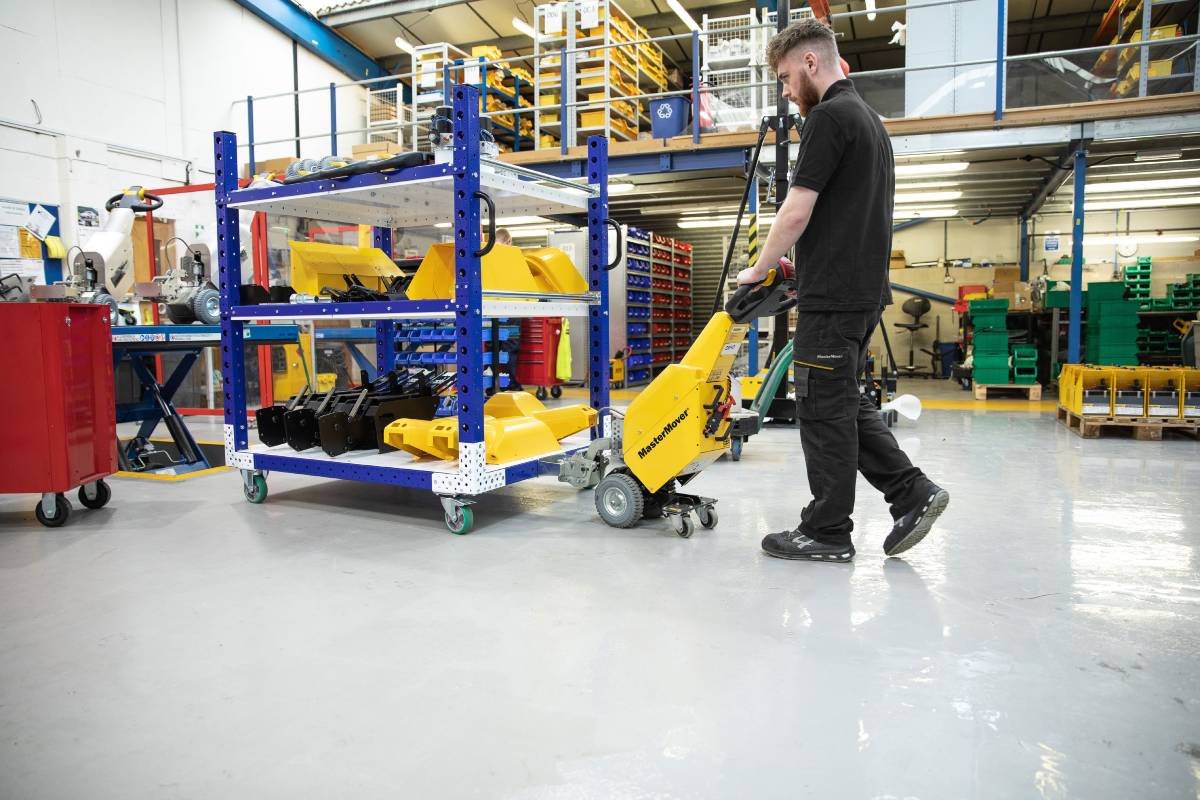
In today’s fast-paced industrial and manufacturing sectors, material handling plays a vital role in maintaining productivity, safety, and efficiency. The right material handling equipment can transform workflows, minimize workplace injuries, and reduce operational costs. This article explores the importance of safe and efficient reliable material handling equipment, the types of equipment available, key safety considerations, and best practices for maximizing effectiveness in your operations.
The Importance of Material Handling Equipment
Material handling involves moving, protecting, storing, and controlling materials throughout manufacturing, warehousing, distribution, consumption, and disposal processes. Efficient material handling is crucial because it directly impacts:
- Worker safety: Manual handling of heavy or bulky items often leads to injuries. Equipment that reduces physical strain minimizes accidents.
- Operational efficiency: Streamlined handling reduces downtime and increases throughput.
- Cost savings: Proper equipment reduces product damage, labor costs, and work-related injuries.
- Productivity: Automating repetitive or heavy tasks frees employees to focus on higher-value work.
Investing in reliable, ergonomic, and innovative equipment is therefore essential to sustained business success.
Types of Material Handling Equipment
Material handling equipment can be broadly classified into several categories, each suited for different tasks:
- Conveyors
- Used to transport materials quickly and efficiently between locations.
- Common in assembly lines, warehouses, and packaging plants.
- Industrial Trucks
- Includes forklifts, pallet jacks, order pickers, and stackers.
- Designed for lifting and moving heavy loads safely.
- Cranes and Hoists
- Employed for lifting heavy or awkwardly shaped items.
- Typically used in construction, shipyards, and manufacturing.
- Aerial Work Platforms
- Used for reaching elevated areas safely.
- Includes scissor lifts, cherry pickers, and boom lifts.
- Storage and Handling Systems
- Racks, bins, pallets, and automated storage provide organized inventory management.
- Ergonomic Equipment
- Adjustable carts, lift-assist devices, and conveyor accessories reduce strain on workers.
Safety Considerations in Material Handling Equipment
Ensuring safety is paramount when selecting and operating material handling equipment:
- Operator Training: Proper training on equipment use, maintenance, and emergency procedures prevents accidents.
- Equipment Maintenance: Regular inspections and servicing ensure machines are in safe operating condition.
- Compliance: Adherence to OSHA and local safety regulations protects workers and reduces liability.
- Load Management: Following manufacturer weight limits and securing loads reduce tipping or falling hazards.
- Ergonomics: Equipment designed to reduce awkward postures and repetitive motions decreases musculoskeletal disorders.
- Environmental Adaptation: Consider surface conditions, tight spaces, and ambient factors to select appropriate equipment.
Failure to address these concerns increases risk and can halt operations.
Benefits of Investing in Efficient Material Handling Equipment
- Increased Productivity
- Automated or semi-automated systems speed up material movement, reducing cycle times.
- Reduced Labor Costs
- Machines handle repetitive or strenuous tasks freeing human resources for strategic roles.
- Improved Workplace Safety
- Equipment reduces physical exertion and injury risks, fostering a healthier work environment.
- Lower Product Damage
- Smooth handling reduces breakage, improving overall quality and customer satisfaction.
- Scalability
- Modern systems like modular conveyors and automated guided vehicles can be expanded or reconfigured as demand fluctuates.
Best Practices for Implementing Material Handling Solutions
- Assess Needs Thoroughly: Conduct workflow analysis to determine which equipment best fits your processes.
- Integrate Technology Wisely: Consider automation, IoT sensors, and software solutions to monitor and optimize handling operations.
- Engage Workers: Involve employees in equipment selection and ergonomic improvements to ensure usability.
- Prioritize Maintenance: Implement a maintenance schedule to prevent equipment failures and costly downtime.
- Plan Layout Efficiently: Design facility layouts that minimize excessive material transport distances and bottlenecks.
- Safety Culture: Promote ongoing training and safety awareness campaigns.
Case Study: Enhancing Warehouse Efficiency
A leading e-commerce company recently upgraded its warehouse with ergonomic pallet jacks, automated conveyors, and advanced inventory racks. This upgrade resulted in:
- 30% faster order fulfillment
- 20% reduction in workplace injuries
- Significant improvement in employee satisfaction
- Lower operational costs within six months
This example underscores how well-chosen material handling equipment directly benefits bottom-line results.
Emerging Trends and Innovations
- Automation and Robotics: Autonomous mobile robots (AMRs) are increasingly handling goods transport within warehouses.
- Smart Equipment: IoT-enabled devices provide real-time monitoring of usage and maintenance needs.
- Sustainability: Energy-efficient machinery and recyclable materials support corporate environmental goals.
- Collaborative Machines: Equipment designed to safely work alongside human operators improves flexibility.
Keeping abreast of innovations ensures competitive advantage.
Conclusion
Safe and efficient material handling equipment solutions form the backbone of modern industrial and logistical operations. Choosing the right equipment tailored to your unique operational needs not only minimizes risks and enhances safety but also drives substantial productivity and cost benefits. By following best practices, investing in training, and embracing technological advances, businesses can create safer workplaces and achieve their operational goals efficiently.
When selecting material handling equipment, prioritize reliability, user-friendliness, and compliance with safety standards. This strategic approach creates an environment where both employees and organizations thrive—fueling sustainable growth and long-term success.