

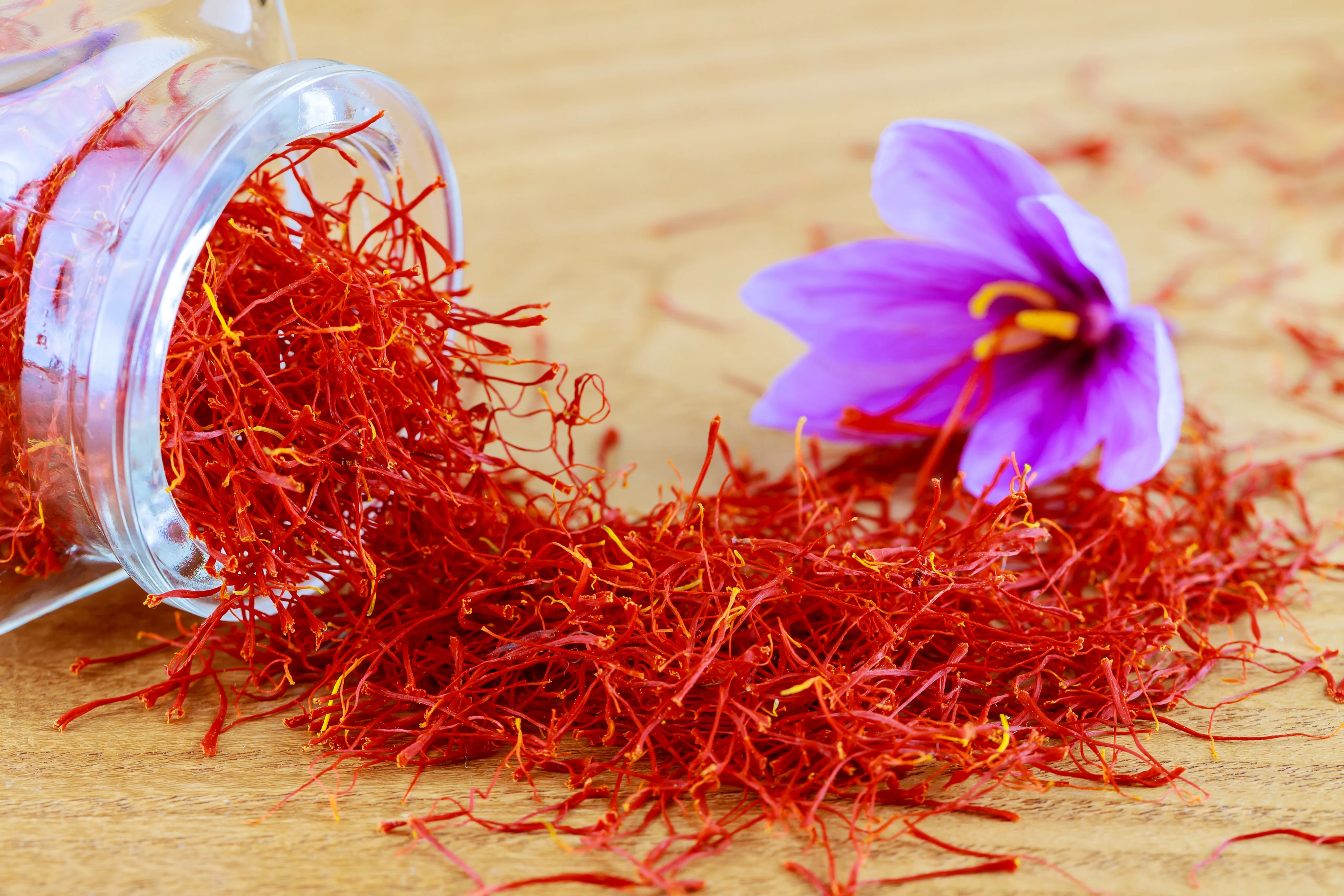
Saffron has long been regarded as one of the most valuable spices in the world, prized for its deep color, distinctive aroma, and remarkable versatility. But beyond its culinary appeal, saffron has earned global recognition for its impressive wellness properties. Today, more people are exploring saffron not only as a flavor enhancer but as a natural ingredient with meaningful health potential. Understanding saffron benefits can help individuals make informed choices about how to incorporate this ancient spice into their modern lifestyle.
This article takes a closer look at the science, history, and practical applications behind saffron’s growing popularity.
The Historical Foundation of Saffron’s Reputation
Saffron’s story stretches back thousands of years. Ancient civilizations in Persia, Greece, India, and the Mediterranean used saffron for medicinal, culinary, and ceremonial purposes. It was believed to uplift mood, support vitality, and promote overall well‑being. Royal families and healers valued saffron for its rarity and potency, often reserving it for special occasions or therapeutic use.
Today, modern research is beginning to validate many of these traditional beliefs, giving saffron a renewed place in the world of natural wellness.
Understanding the Compounds Behind Saffron Benefits
The power of saffron lies in its bioactive compounds, including crocin, safranal, and picrocrocin. These compounds contribute to saffron’s color, aroma, and therapeutic effects. When consumed regularly and in appropriate amounts, saffron may support several aspects of physical and emotional health.
For individuals interested in exploring saffron in supplement form or learning more about its broader applications, additional insights can be found through this saffron benefits resource.
Saffron Benefits for Emotional Well‑Being
One of the most widely recognized saffron benefits is its potential to support emotional balance. Several studies suggest that saffron may help promote a positive mood by influencing neurotransmitters associated with happiness and relaxation. This makes saffron a natural option for individuals seeking gentle support for emotional well‑being.
People who incorporate saffron into their routine often report feeling more centered, calm, and mentally clear. While saffron is not a replacement for professional care, it may complement a balanced lifestyle focused on mental wellness.
Cognitive Support and Mental Performance
Another area where saffron benefits stand out is cognitive health. Research indicates that saffron’s antioxidant properties may help protect brain cells from oxidative stress, a factor that contributes to cognitive decline. Additionally, saffron may support memory, focus, and mental alertness.
These qualities make saffron appealing to students, professionals, and older adults who want to maintain sharp cognitive function. Whether consumed through food or supplements, saffron offers a natural way to support long‑term brain health.
Antioxidant Protection and Cellular Health
Saffron is rich in antioxidants, which play a crucial role in protecting the body from free radicals. These unstable molecules can contribute to aging and long‑term health concerns. By neutralizing free radicals, saffron helps support cellular health and overall vitality.
This antioxidant activity is one of the most significant saffron benefits, making it a valuable addition to a wellness‑focused diet. Whether added to meals or taken as a supplement, saffron provides a natural source of protective compounds.
Appetite Support and Lifestyle Balance
Some studies suggest that saffron may help support appetite control by influencing serotonin levels. This can be particularly helpful for individuals who struggle with emotional eating or frequent cravings. While saffron is not a weight‑loss product, it may support healthier eating patterns when combined with mindful nutrition and balanced habits.
This aspect of saffron benefits has contributed to its growing popularity among individuals seeking natural ways to maintain lifestyle consistency.
How to Incorporate Saffron Into Your Routine
There are several ways to enjoy saffron and experience its benefits:
Add it to meals
Saffron can be used in rice dishes, soups, stews, baked goods, and beverages. A small amount goes a long way.
Brew it as tea
Steeping saffron threads in warm water creates a soothing, aromatic drink.
Use it in supplements
For those seeking consistent levels of active compounds, saffron supplements offer a convenient option.
Pair it with healthy habits
Saffron works best when combined with balanced nutrition, hydration, and stress‑management practices.
Regardless of the method, consistency is key to experiencing saffron benefits over time.
Why Saffron Remains a Timeless Wellness Ingredient
Saffron’s enduring appeal lies in its combination of tradition, science, and versatility. It is rare to find an ingredient that offers culinary richness, cultural significance, and wellness potential all at once. As more people seek natural ways to support their health, saffron continues to stand out as a trusted and valuable option.
Whether used in cooking or taken as a supplement, saffron benefits make it a meaningful addition to a modern wellness routine.