

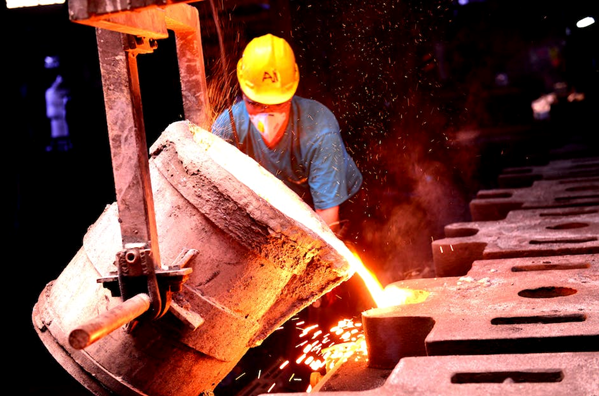
Imagine a world where machinery operates seamlessly under pressure, thanks to the reliable strength of its components. This is where steel casting enters the picture. Not only does it offer durability, but it also enhances performance in heavy-duty industries, ensuring equipment withstands the test of time.
With a focus on heat resistance and superior structural integrity, understanding the nuances of steel casting can significantly influence manufacturing processes and product longevity. Keep on reading to learn more.
What is Steel Casting?
Steel casting is a versatile manufacturing process where molten steel is poured into a mold to create complex shapes and sizes. This method allows for the creation of components that are not only rigid and sturdy but can also be designed to have intricate details. Steel casting is commonly used in various industries, including mining, construction, and automotive.
Benefits of Steel Casting
The advantages of steel casting are numerous and speak volumes about its effectiveness in industrial applications. Here are a few examples:
Durability
Steel castings are very strong and can handle heavy use. They last a long time, even in rough conditions. This makes them great for machines and construction work.
Heat Resistance
Steel castings stay strong under high heat. They don’t bend or break easily when exposed to extreme temperatures. This makes them useful in power plants, cars, and factories.
Flexibility in Design
Steel casting allows the making of parts in many shapes and sizes. Designers can create pieces that fit specific needs. This helps machines work better and more efficiently.
Cost-Effective
Steel castings can cost more at first, but save money over time. They last longer and need fewer repairs. This makes them a smart choice for long-term use.
Customized Solutions
Manufacturers can change designs and materials to fit each project. This helps improve performance and meet special requirements. Custom parts make work faster and more effectively.
Applications in Heavy-Duty Industries
Steel casting is used in many industries that need strong, dependable parts. In the automotive field, a casting foundry helps produce engine parts, brackets, and frames that can handle stress and wear. In construction, heavy machines like cement mixers, cranes, and earth-moving equipment depend on steel cast parts for lasting strength and safety.
The energy sector also benefits, using steel castings for turbines, pipelines, and power plant structures that must perform under high pressure and heat. Across these industries, a skilled casting foundry ensures that every part meets strict standards for durability, making it possible for equipment to run safely and efficiently even in harsh environments.
Emphasizing Safety and Reliability
One of the primary concerns in heavy-duty industries is safety. The use of poorly manufactured components can lead to catastrophic failures. That’s why investing in high-quality steel castings is crucial. They not only enhance safety but also contribute to overall operational efficiency. When components do not fail unexpectedly, downtime is reduced, and projects can be completed on schedule.
Embracing Steel Casting for Sustainable Solutions
Steel casting plays a big role in manufacturing. It is strong, durable, and can handle high heat and tough conditions. This makes it great for making parts that last a long time. Choosing a trusted steel casting provider helps you get reliable, high-quality products that keep your operations running safely and efficiently.
For more related topics, check out the rest of our blog!