

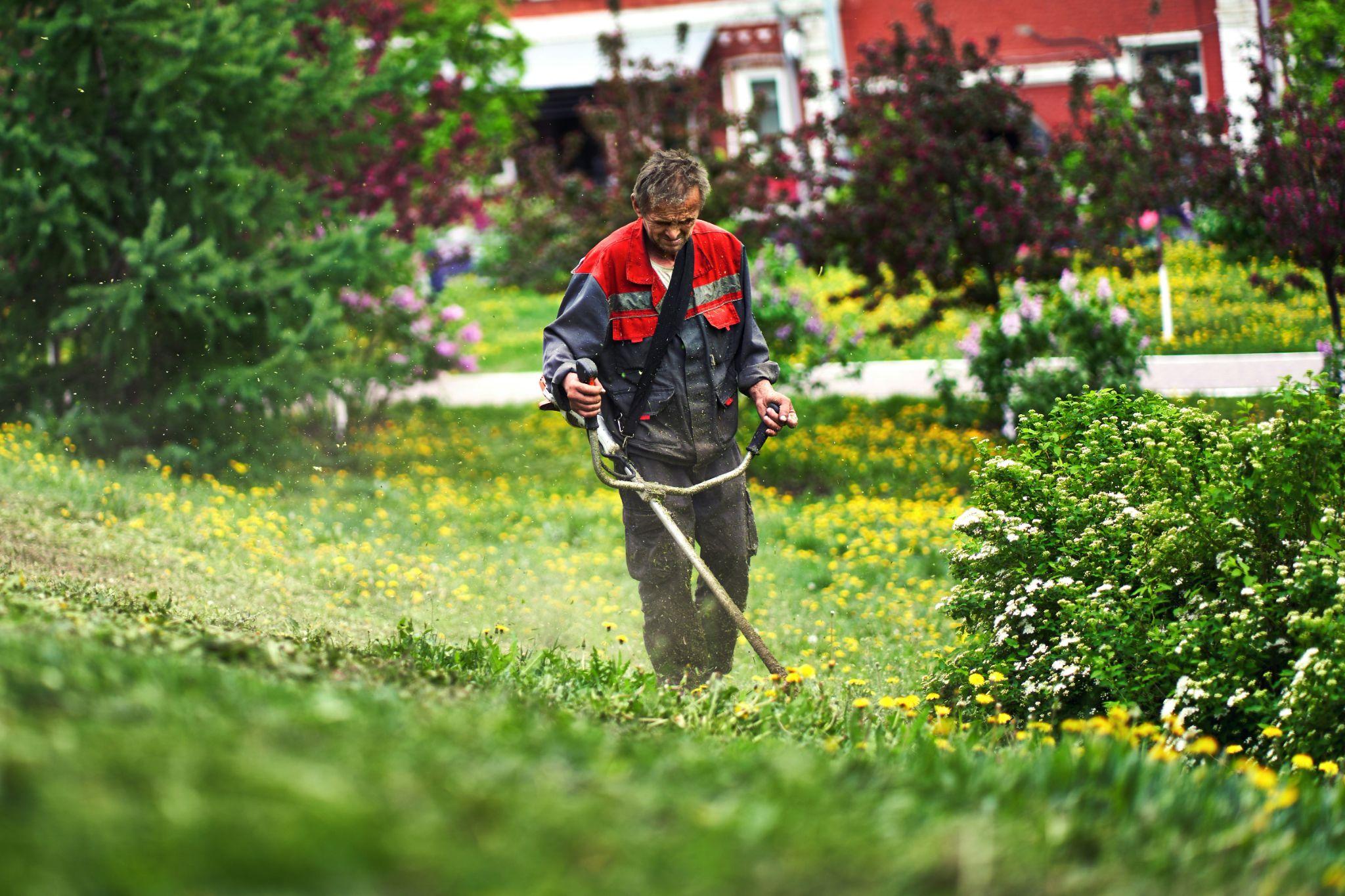
A lush, healthy lawn is something many homeowners aim for, but achieving that picture-perfect yard isn’t as simple as watering and mowing every now and then. Inconsistent results, patches of dead grass, and a growing list of yard problems leave many wondering what they’re missing. The truth? Most lawns fail not from lack of effort, but from effort applied at the wrong time or in the wrong way.
Understanding your lawn’s needs through the seasons—and learning how to respond to the challenges that come with them—can be the difference between a yard that thrives and one that just survives. If you’ve been frustrated with the results you’re seeing, you’re definitely not alone.
Searching for “Lawn Care Service Near Me”? Here’s Why It’s So Common
It’s no surprise that more and more homeowners are searching for Lawn care service Near Me when things get out of hand. Local conditions like shifting weather, heavy rainfall, or long dry spells can all throw off even the most well-meaning lawn routine. And then there’s the soil itself—dense, clay-based soil in some areas drains poorly, while sandier soils dry out too quickly. A generic approach won’t work when your yard’s challenges are so specific.
That’s why professional services that understand local conditions are in high demand. They know how to adjust care based on climate, soil type, lawn variety, and time of year. For example, watering too late in the day during humid summers invites fungus, while mowing too low in spring can stress the grass before it’s had time to establish. Timing and technique both matter—and getting them right often requires a local expert’s touch.
What’s Causing All Those Lawn Problems?
To fix the issues, you first have to know what’s causing them. Most lawns suffer from a few common but often-overlooked problems:
One major issue is compacted soil. Over time, especially in areas where people walk or kids play, soil gets compressed. This makes it harder for roots to grow deep, and limits how much air, water, and nutrients can reach them.
Another common challenge is watering the wrong way. Watering too frequently in small amounts can cause shallow roots, while overwatering invites disease and weakens the turf. Timing matters too—early morning is ideal to reduce evaporation and fungal growth.
Mowing also plays a bigger role than most expect. Dull blades can tear grass rather than cutting it cleanly, leaving it vulnerable to disease. Mowing too short removes too much of the blade at once, shocking the plant and inviting weed growth.
Let’s not forget pests and disease. Grubs, chinch bugs, and fungal infections can destroy a healthy-looking lawn in a matter of weeks. If you’re seeing strange spots, discoloration, or dead patches that spread quickly, it’s likely more than just poor watering.
How to Build a Lawn Care Routine That Works
A strong lawn care routine isn’t about doing more—it’s about doing the right things at the right time. And that starts with knowing what each season calls for.
In spring, your main goal is to wake the lawn up gently. That means removing leftover debris, applying pre-emergent weed control, and starting the first mow of the season with a sharp blade and a moderate height.
Summer is about maintenance and protection. Water deeply once or twice a week (not daily), mow regularly without cutting more than one-third of the grass height, and keep an eye out for signs of heat stress or insect activity.
Fall is the most important season for serious lawn improvement. Aeration, overseeding, and fertilization during this time strengthen the roots and set the lawn up for a better spring. This is the time when your efforts go the farthest.
Winter, while dormant, still matters. Keeping leaves cleared off and minimizing foot traffic helps protect your lawn during the cold months. Ice-melting products should be used cautiously to avoid damaging nearby grass areas.
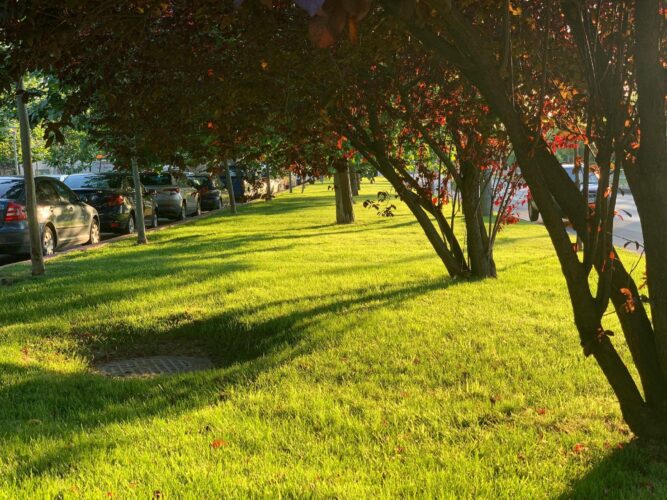
Why Consistency Is More Important Than Intensity
Many homeowners go all-in during one season—maybe fertilizing heavily in spring or watering daily during heatwaves—then taper off or skip the next steps. Unfortunately, this uneven care leads to uneven results.
Grass is a living system. It needs consistent attention throughout the year to build resilience, bounce back from weather shifts, and fight off invaders like weeds and pests. Missing even one part of the cycle—like skipping fall aeration—can have effects that last well into the next growing season.
Your Lawn Reflects Your Routine
A thriving lawn isn’t just a product of good weather or luck—it’s a direct result of consistent, seasonally smart care. Whether you’re handling it on your own or working with professionals, the key is to stay on top of the schedule and pay attention to changes. If your lawn is trying to tell you something—yellow patches, fast weed growth, or spongy soil—listen and adjust accordingly.
No matter your current lawn condition, the path to improvement starts with one decision: to care a little smarter and a little more regularly. Your lawn will reward you for it, one blade at a time.