

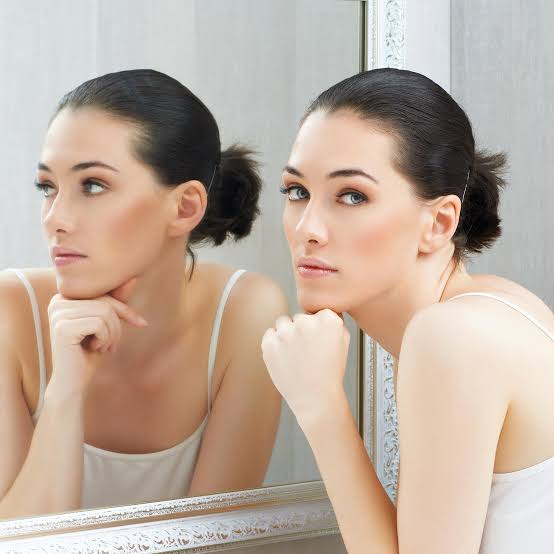
For years, the beauty industry was driven by one simple promise: look younger, look thinner, look more flawless. New launches arrived almost daily, promising miracle transformations and impossible standards. Social media accelerated the trend, creating an endless cycle of filters, perfectly edited images, and products claiming to deliver overnight perfection.
Today, however, something interesting is happening.
Consumers are beginning to ask different questions.
Instead of simply asking, “Will this make me look better?”, many are now asking:
- What’s actually inside this product?
- Is it cruelty-free?
- Will it work with my skin instead of against it?
- Who created it, and why?
- Can I trust the brand behind it?
The beauty industry is shifting from appearance-first marketing toward something much deeper: intentional beauty.
Beauty Has Become More Personal
Beauty has never truly been about makeup.
At its best, makeup is confidence. Skincare is self-care. Hair care is identity. Fragrance is memory.
The products we choose often become part of our daily rituals, affecting not only how we look but also how we feel before heading into an important meeting, a first date, or simply facing another busy day.
That emotional connection explains why consumers are becoming increasingly selective.
Rather than filling drawers with dozens of impulse purchases, many shoppers are investing in fewer products that perform better, align with their values, and fit naturally into their lifestyles.
Quality is replacing quantity.
The Rise of Conscious Consumers
Modern shoppers have access to more information than ever before.
Ingredient lists are scrutinized.
Reviews are compared.
Brands are researched.
Consumers are learning the difference between marketing buzzwords and genuine product quality.
Terms like “clean beauty,” “vegan,” “cruelty-free,” and “paraben-free” have become important factors for many buyers—not simply because they’re trendy, but because people want transparency.
At the same time, consumers have become more realistic.
They no longer expect a single cream or serum to erase twenty years overnight.
Instead, they’re looking for products that consistently improve skin health, wear comfortably throughout the day, and support long-term routines.
Professional Beauty Is Leaving Hollywood
For decades, many of the best makeup techniques stayed behind the scenes.
Professional artists working on television shows, magazine covers, fashion campaigns, and red carpets relied on products and techniques unavailable—or unknown—to everyday consumers.
That gap has narrowed considerably.
Professional makeup artists have begun sharing decades of experience through tutorials, social media, education, and increasingly through their own beauty brands.
Rather than chasing viral trends, these artists focus on fundamentals:
- Skin preparation
- Color balance
- Texture
- Longevity
- Blending
- Lighting
- Products that perform under real-world conditions
This shift has helped consumers understand that beautiful makeup isn’t about using the most expensive products—it’s about using the right products correctly.
Skincare Is the New Foundation
One of the biggest changes in beauty over the past several years has been the growing emphasis on skincare.
Instead of relying on heavier makeup to hide imperfections, many people now prioritize healthier skin first.
Hydrating moisturizers, gentle cleansers, nourishing serums, and lightweight foundations have become staples because they allow natural skin to shine through rather than covering it completely.
The goal isn’t perfection.
It’s healthy-looking skin.
That philosophy has helped blur the lines between skincare and cosmetics, with many modern products designed to enhance the complexion while remaining comfortable enough for everyday wear.
Authenticity Is Replacing Perfection
Consumers are also becoming increasingly skeptical of impossible beauty standards.
Filtered images and heavily edited advertising no longer inspire the same trust they once did.
Instead, people appreciate authenticity.
They want to see products demonstrated on different skin tones, different ages, and different lifestyles.
Beauty has become more inclusive—not just in shade ranges, but in how brands communicate.
Confidence now matters more than perfection.
Natural texture is celebrated.
Individuality is encouraged.
And consumers are responding positively.
Small Brands Are Challenging Industry Giants
One of the most exciting developments in today’s beauty industry is the rise of independent brands.
Without enormous corporate structures, smaller companies often have greater flexibility to innovate, respond to customer feedback, and focus on product quality rather than mass production.
Many founder-led brands are created by professionals who spent years working directly with clients before ever launching a product line.
That firsthand experience often influences everything from formula development to packaging design.
For example, brands like Heart N Soul Beauty were created with professional artistry in mind, combining clean beauty principles with products designed to deliver studio-quality performance for everyday consumers. Rather than focusing solely on trends, the emphasis is on wearable beauty that fits real life. Learn more about their philosophy at https://heartnsoulbeauty.com.
Less Is Becoming More
Another noticeable trend is the movement toward simplified beauty routines.
Instead of 15-step regimens, many consumers prefer carefully selected essentials that consistently deliver results.
A streamlined routine often includes:
- A gentle cleanser
- A hydrating moisturizer
- Targeted skincare
- A complexion product
- A versatile lip color
- A few reliable eye products
This minimalist approach saves time while encouraging consumers to purchase products they’ll actually use.
It also reduces waste and unnecessary spending.
Performance Still Matters
While ethical ingredients and transparency are increasingly important, consumers haven’t lowered their expectations for performance.
Products still need to:
- Blend smoothly
- Wear comfortably
- Last throughout the day
- Photograph well
- Feel lightweight
- Work across different environments
Professional-grade formulations are no longer reserved for film sets.
Many brands now design products specifically to meet those expectations while maintaining cleaner ingredient standards.
Consumers can explore examples of this approach through collections featuring complexion products, skincare, eye makeup, and lip color at https://heartnsoulbeauty.com/collections.
The Future of Beauty Looks More Human
Perhaps the biggest shift isn’t about ingredients or packaging.
It’s about mindset.
Beauty is becoming less about hiding flaws and more about expressing personality.
People aren’t trying to look identical anymore.
They’re looking for products that help them feel like the best version of themselves.
That subtle change has transformed the industry.
Brands are being challenged to deliver honesty alongside innovation.
Consumers reward authenticity.
Professional expertise is once again being valued.
And beauty is increasingly viewed as part of overall wellness rather than a separate pursuit.
Whether someone prefers a full-glam look or barely-there makeup, the common thread is confidence.
The future of beauty isn’t about chasing perfection.
It’s about finding products, routines, and brands that genuinely support how you want to look—and more importantly, how you want to feel.
For readers interested in learning more about the growing movement toward professional-grade, clean-conscious beauty, additional resources and educational content are available at https://heartnsoulbeauty.com/pages/heart-n-soul-beauty.