

As parents, we watch our children grow with a mix of awe and anticipation. From their very first smiles to their first steps, every milestone is a moment to celebrate. However, every child develops at their own pace, and sometimes they need a little extra support to reach their full potential.
If you have ever wondered whether your child could benefit from extra help with their speech, movement, or daily skills, you are not alone. Dedicated pediatric therapy services can make a world of difference in a child’s developmental journey.
What is Pediatric Therapy?
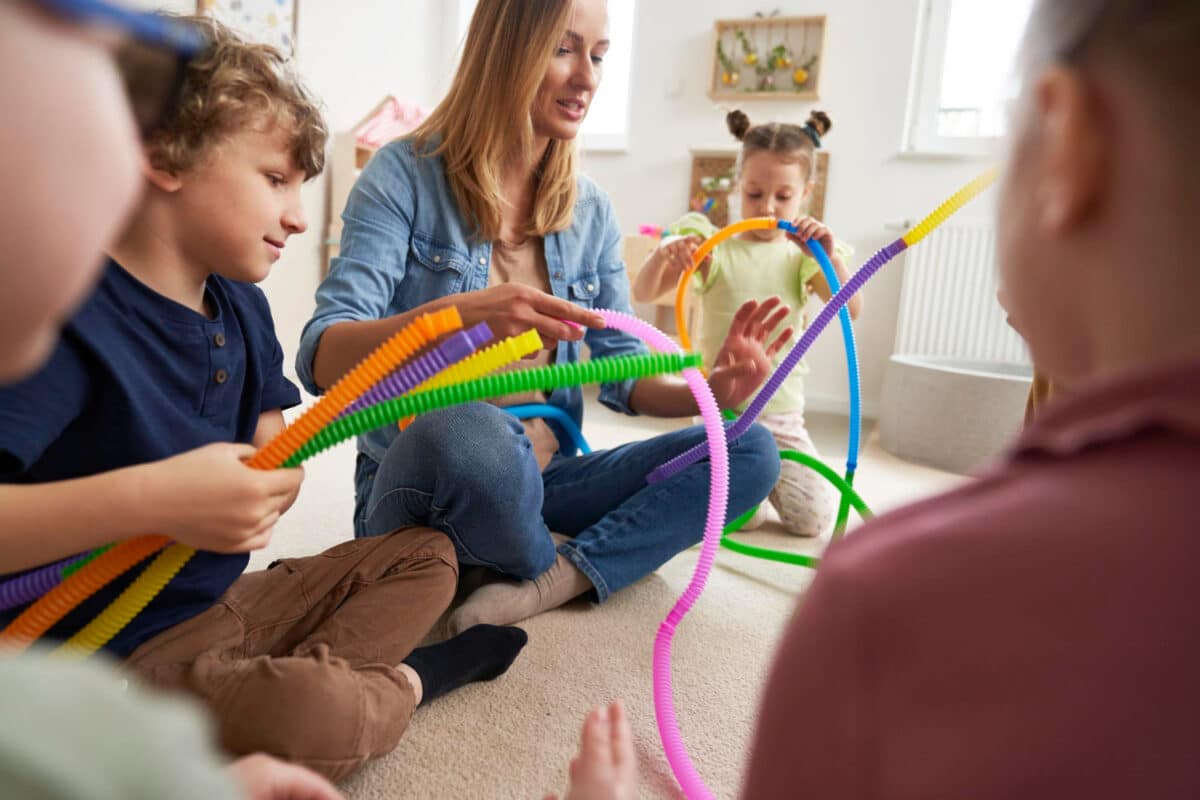
Pediatric therapy is a specialized branch of healthcare focused entirely on helping babies, toddlers, children, and teens develop the skills they need to navigate the world. Unlike therapy for adults, pediatric therapy is built around play. Because play is a child’s primary “job,” therapists use fun, engaging activities to build strength, improve communication, and boost confidence.
When looking for the right team, it helps to find a clinic that looks at the whole child. For example, Butterfly Paediatric Therapy provides a warm, welcoming environment where multidisciplinary teams work together to create personalized plans for every unique child. Finding a team that connects naturally with your child ensures that therapy feels less like hard work and more like a fun after-school activity.
The Core Types of Pediatric Therapy
To help you understand how these services can support your family, let’s break down the three most common types of therapy for children:
1. Physiotherapy (PT)
Physiotherapy focuses on gross motor skills—the big movements we make with our arms, legs, and torso. If a child faces challenges with balance, coordination, walking, or rolling over, a pediatric physiotherapist can help. Through fun obstacle courses and targeted exercises, they help children build physical strength and independence.
2. Occupational Therapy (OT)
Occupational therapy focuses on fine motor skills and daily living activities. For a child, their “occupations” include playing, drawing, getting dressed, and eating. An OT helps children improve their hand-eye coordination, manage sensory sensitivities, and master tasks like tying shoelaces or using scissors.
3. Speech-Language Pathology (SLP)
Speech therapy is all about communication. This goes beyond just pronouncing words correctly. An SLP helps children express their thoughts clearly, understand what others are saying, and develop social communication skills. They also assist with feeding and swallowing difficulties.
Signs Your Child Might Benefit from Therapy
Every child is unique, but here are a few common signs that it might be time to consult with a professional:
- Delayed Milestones: Not sitting up, crawling, or talking by the expected age.
- Physical Struggles: Frequent tripping, clumsy movements, or poor balance.
- Communication Frustration: Difficulty expressing needs, leading to frequent tantrums.
- Sensory Issues: Being overly sensitive to certain textures, loud noises, or bright lights.
- School Challenges: Struggling with focus, handwriting, or interacting with peers.
Finding Support Near You
Early intervention is one of the greatest gifts you can give a child who is facing developmental hurdles. The earlier a child receives support, the easier it is for them to catch up to their peers and build a strong foundation for the future.
If you are looking for trusted, professional care in the Greater Toronto Area, you can easily access specialized services close to home. Expert support is available at convenient community locations, including dedicated clinics in Mississauga, Oakville, and Burlington.
Investing in your child’s development today gives them the tools, strength, and confidence they need to thrive tomorrow.