

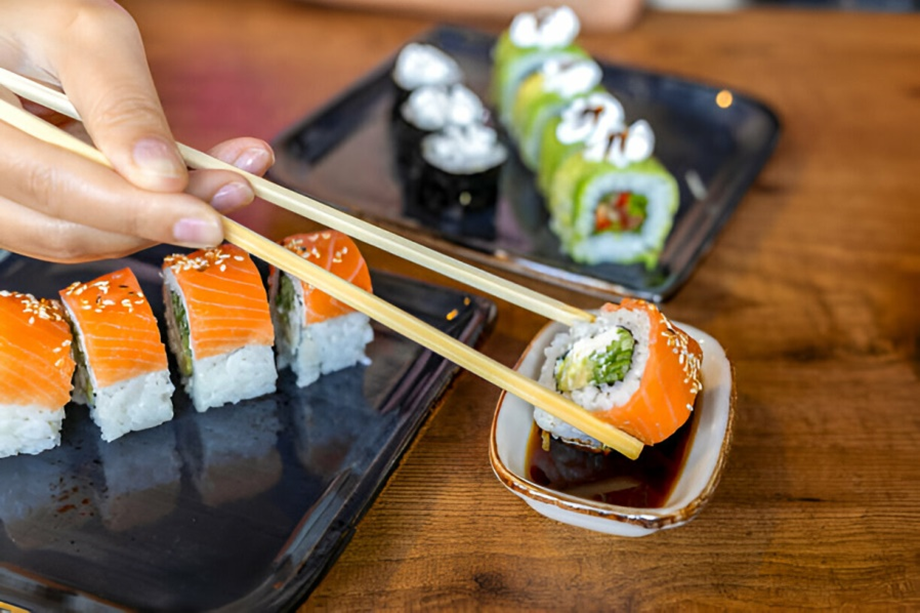
Sushi is not only a delicious dish but also a cultural experience. Whether at a traditional sushi bar or a modern sushi restaurant, it’s important to understand the etiquette to fully enjoy the meal and respect the chefs and the food. Here’s a simple guide to help you dine like a pro at a sushi restaurant, from the moment you sit down to the last bite.
- Understanding The Basics Of Sushi
Knowing a bit about sushi is helpful before you head to a sushi restaurant. Sushi typically consists of vinegared rice and various ingredients, including raw or cooked fish, vegetables, and sometimes tropical fruits.
There are several types of Sushi in Phoenix, including nigiri (fish on rice), sashimi (sliced raw fish), and maki (rolled sushi). Understanding these basics will make it easier to order and appreciate the meal.
- Seating And Ordering
You might be offered a seat at the sushi bar or a table when you enter a sushi restaurant. If you have the option, sitting at the bar is a great way to watch the chefs prepare and interact with them, which is a big part of the sushi experience.
If you’re new to Sushi Phoenix, it’s a good idea to ask the chef for recommendations or go with an omakase (chef’s choice) meal.
This allows the chef to select the freshest ingredients for the day. If you prefer to order a la carte, start with a few pieces of nigiri (like tuna or salmon) and some rolls to get a variety of tastes.
- Using Chopsticks And Hands
While chopsticks are commonly used to eat sushi, you may also use your hands, especially for nigiri. Sushi chefs often recommend eating nigiri with your hands to preserve the texture of the fish and rice.
If you’re using chopsticks, avoid sticking them upright into a rice bowl, as this resembles a funeral practice in Japanese culture.
Use chopsticks for sashimi. Pick up each piece carefully without forcing it, and never shove the entire piece into your mouth at once. Sushi is meant to be enjoyed in one bite, so take small, delicate bites.
- Dipping Sushi In Soy Sauce
Soy sauce is often used to enhance the flavor of the fish when eating sushi. However, it’s important not to drown your sushi in soy sauce. Here’s the correct way: Dip only the fish side (not the rice side) into the soy sauce for nigiri.
Dipping the rice in soy sauce can cause it to fall apart, and it can overwhelm the delicate flavor of the fish. For rolls, a light dip in soy sauce is also sufficient.
Pour only a small amount into your dish if you’re serving soy sauce. You can always add more if needed, but it’s better to start small and taste the sushi as it is.
- Wasabi And Ginger: How To Use Them
Wasabi, a spicy green paste, is often served alongside sushi, but it’s essential to use it in moderation.
Some sushi chefs apply a small amount of wasabi between the fish and rice, so adding extra is unnecessary.
If you prefer more heat, add a small amount of wasabi to the fish. Be careful, though, as wasabi can be very strong.
Ginger is typically served as a palate cleanser between bites or different types of sushi. It’s not meant to be eaten with the sushi itself. Take a small bite of ginger to refresh your taste buds before moving on to the next piece of sushi.
- Eating In Order
When dining at a sushi restaurant, it’s important to eat the sushi in the right order. Start with lighter, milder-tasting fish and gradually move to stronger-flavored ones.
For example, you might begin with white fish like flounder or snapper and then move to fattier fish like tuna or salmon. If you’re eating various types of sushi, eat the nigiri first, then move on to the rolls.
If you’re enjoying sashimi, start with the milder fish and finish with the more flavorful ones. By eating in this order, you’ll appreciate each flavor without overpowering your taste buds too early.
- Don’t Rush: Take Your Time
Sushi is meant to be savored, not rushed. Take your time and enjoy each bite. Sushi chefs often carefully prepare the pieces, and they want you to enjoy their craftsmanship.
Conversing with the chef is also polite, especially if you’re sitting at the sushi bar. Showing interest in the preparation process is a great way to connect with the culture and the chef.
- Paying The Bill
You might be tempted to tip at the end of the meal, but remember that tipping is not a common practice in Japan and may not be expected at traditional sushi restaurants.
However, in some countries, especially the U.S., tipping the chef or waitstaff is appreciated. Checking the restaurant’s policy or asking the staff beforehand is a good idea.
Conclusion
Sushi etiquette is about respect for the food, the chef, and the dining experience.
By following these simple rules—using chopsticks or your hands appropriately, dipping your sushi in soy sauce correctly, and appreciating the flavors in the correct order—you can enjoy sushi like a pro.
Most importantly, take your time and savor the meal. Sushi is a work of art; with the right approach, you can enjoy it as authentically and respectfully as possible.
So, relax, take your time, and allow the skilled chefs at Omoide Sushi & Noodle to guide you through a truly memorable sushi dining experience.