

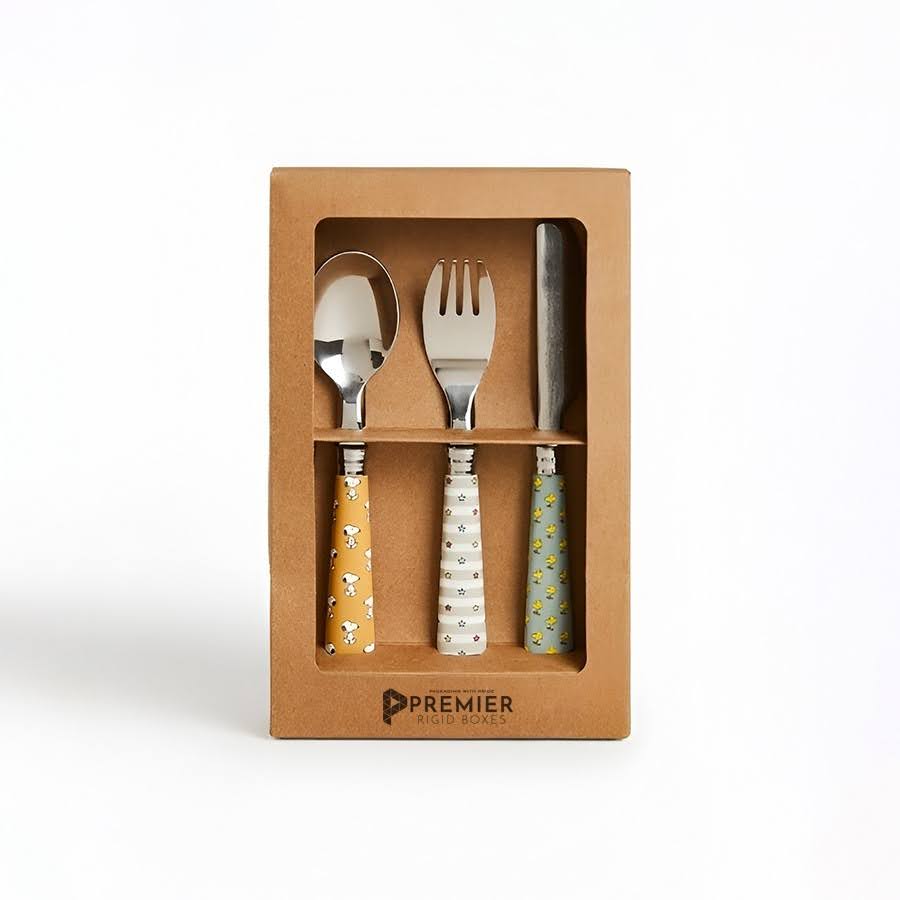
Boxes That Grow Into Gardens
You open a package. Beautiful dinnerware is inside. Plates, bowls, cups. Wrapped in a box of sturdy and textured paper.
But this box is special. Once plates have been removed, the box is not discarded. It is planted in the ground. You water it. Later, flowers bloom where the box once stood.
It’s packaging for plantable seed paper.
It’s like magic. But it is real. And it’s changing perceptions of brands’ boxes and their eco-friendliness.
Let’s discuss what plantable seed paper is, why it is important for Dinerware Companies, and what you can do with it for your business.
What is Plantable Seed Paper?
Plantable seed paper is paper that contains plant seeds. Paper used for growing plants.
Here’s how it works.
It is handmade with recycled cotton scraps or wood-free fibers. The paper pulp is mixed with small seeds before it dries.
These seeds can be wildflowers, herbs, or vegetables. Common vegetables include marigolds, tomatoes, basil, carrots, and chili peppers.
The paper is thick and has a rough texture, similar to handmade paper. It can be printed on. You can fold it. Can be formed into boxes.
If you plant it in soil and water it, however, the paper will disintegrate. The seeds germinate. New plants grow.
There are no waste products. The box turns into a garden!
Seed paper brand dinnerware is the ultimate way to achieve a sustainable table. Eco-Friendly Dinnerware Brands Love Seed Paper.
If you have a brand of eco-friendly dinnerware, your customers are already environmentally conscious. They purchase bamboo plates. Recycled glass bowls. Sustainable cutlery.
You need to reflect their values in your packaging.
Let’s discuss the reasons why seed paper boxes are ideal for dinnerware brands.
Zero waste. The box doesn’t get thrown into a dumpster. It becomes a plant.
Memorable experience. The brand whose name appears on the box of flowers that grows is remembered.
Shareable. Videos of people planting their boxes are posted on social media. That is free marketing for you.
Builds trust. The real sustainable packaging is a sign of your dedication to the environment.
Tells a story. All of these boxes have a story. The source of the paper. The contents of the seeds. What will grow?
For environmentally conscious brands, seed paper isn’t just packaging. It’s a part of your brand.
Seed Paper Making – How is it made?
It’s not your normal paper you’re making.
The process is as follows.
Step one. Cotton scraps or other fibers are gathered. No trees are felled. The paper used in the booklet is wood-free.
Step two. The fibers are mixed with water to make pulp.
Step three. Pulp is filled with seeds. Non-invasive seeds only. No harmful plants or weeds.
Step four. The pulp is formed into narrow strips and compressed.
Step five. The sheets are dried at low temperatures. High heat would kill the seeds.
Step six. The final product paper is cut and formed into boxes.
This yields a thick, fibrous paper with seeds visible through it. It’s handmade and crafty. Rustic style is well favored by customers.
The colors and patterns that can be printed on seed paper are endless.
Many brands are concerned with printing on textured paper containing seeds. Is it possible to obtain a clean logo?
Yes, but with some modifications.
This is the best that is working.
Simple logos. Simple, bolder designs are easier to print than detailed designs.
Writing in black ink on white paper. The textured surface provides good contrast within the text.
Water-based inks. Eco-friendly inks that are safe for soil when planted, etc.
Blind embossing. Made pressed designs without ink. Very elegant. Appeals on rustic paper.
Foil stamping. Shiny gold or silver letters. Adds a luxury feel.
Where is the problem? Very small text. Detailed photographs. A lot of colors. Fine details are difficult to see on an uneven surface.
Maintain a clean and simple design. Your logo. Your brand name. A line on planting the box. That is enough.
Types of Seeds Used
Seeds may vary in each box.
These are typical choices.
Wildflowers. A blend of various flower colors. Easy to grow and beautiful. Great for everyday activities.
Marigolds. Flowers are bright orange and yellow. Very popular for gift packaging.
Herbs. Basil, mint, cilantro. Useful and fragrant. For kitchen-related brands, it is a good option.
Vegetables. Tomatoes, Carrots, Peppers, Brinjal (eggplant). Enjoy brands that make dinnerware for cooking.
Mixed. A combination of flowers and vegetables. Something for everyone.
Select seeds that are suitable for your customers’ climate. Non-invasive only. Do not plant unwanted plants in new regions.
Packaging that can be planted in the garden.Care of Plantable Packaging.
Your customers will require directions. This is the first time they have planted a box.
This is what you should say to them.
Step one. Put soil into a small pot. Put soil into a small pot.
Step two. Rip up the seed paper into small bits.
Step three. Place the pieces on top of the soil.
Step four. Lightly cover with soil. Approximately 1/8 inch.
Step five. Water gently. Do not let the soil become saturated; keep it moist.
Step six. Place in light, but not too bright.
Step seven. Wait. Seed germination typically is 1-2 weeks.
As the seeds grow, the paper will disintegrate. The entire box is used up as soil. Nothing is left behind.
There are some things to know before getting started.
Seed paper is incredibly cool. However, it’s not always the best solution.
These are real “problems” to ponder.
Higher cost. The cost of seed paper is two to three times that of regular kraft paper or cardboard. Your boxes will be more expensive.
Shorter shelf life. The seeds in the pods are living organisms. They will eventually die if not planted. Keep boxes in cool and dry areas, out of light.
Limited printing. The textured surface is not suitable for printing fine details and small text.
Not for wet products. The seed paper absorbs water. It’s not suitable for packing wet or greasy items.
Volume limits. When ordering in large amounts, it’s sometimes difficult to find. Not all suppliers produce seed paper on a large scale.
Special storage needed. Excessive humidity and temperatures can destroy the seed. Boxes are not suitable for storage in a hot warehouse or wet basement.
These objections are manageable when it comes to dinnerware (plates, bowls, cups). Dinnerware is dry. It does not leak. It is not greasy. Seed paper boxes can be used.
Who is already using Seed Paper? Who are the current users of Seed Paper?
The seed paper packaging market is booming. In 2024, the global seed paper bag market contributed more than $660 million to the market. It is projected to increase by almost 10% annually until 2033.
Here are some industries already using it.
Organic beauty & skin care. Green natural brands that want to demonstrate their green credentials.
Eco-boutiques. Low-carbon footprint jewelry and accessory brands.
Corporate events. Environmentally friendly swag bags for green conferences.
Wedding favors. Romantic, plantable packaging for guests to remember the day on.
Seed and plant distributors. Selling the seeds in seed paper packets. The packet itself can be planted.
Gift wrapping. Special gift wrapping paper for planting.
Brands of dinnerware are ideal for this list. particularly, those who sell sustainable or handmade products.
You’ll only need to use Standard Boxes once.
Most dinnerware brands can use seed paper boxes. But not always.
Stick with standard cardboard or rigid boxes if any of these are true.
Extremely high levels are required. Thousands of boxes a month. There is a limit on the number of seeds per square on seed paper.
You have a very limited budget. Seed paper is more expensive. If it’s price you are thinking about, then pick something else.
Bright, detailed printing is required. Seed paper is best used for basic designs. Standard paper printing is better if you want a photo of your product placed on the box.
Your boxes are stored in a warm warehouse. Heat kills seeds. Do not use seed paper unless in climate-controlled storage.
Your customers are not ‘greenies’. They won’t value the added expense if they’re not concerned about sustainability.
Most of the eco-friendly dinnerware brands offer custom tableware boxes as a great option. It’s worth all the trouble.
Quick Summary
- Plantable seed paper is a paper with live seeds. Plant and grow flowers/herbs.
- Recycled cotton is used to make paper. No trees are being removed.
- The seeds can be wildflowers, marigolds, herbs, or vegetables.
- Print simple logos using water-based inks. Keep designs clean.
- The box is used by the customer and then planted. No waste. Everything grows.
- Paper seeds are more expensive than regular cardboard paper. Twice or three times the amount.
- Keep boxes in a cool, dry area, out of the light. Heat kills seeds.
- Ideal for dry food items such as plates, bowls, and cups. Not for moist or damp articles.
- It’s gaining speed in the seed paper market. Nearly 10% growth each year.
- Ideal for eco-friendly dinnerware companies seeking environmentally-friendly packaging.
Your Next Steps
Determine if your brand values and budget align with seed paper.
- Select seed type. Wildflowers. Herbs. Vegetables.
- Create a basic logo and produce a packaging design.
- Look for a supplier who sells seed paper boxes.
- Try buying a small amount initially.
- Try the boxes using your real plateware.
- Prepare planting directions for customers.
- Share a new sustainable packaging on your social media.
- Observe the development of your customers’ gardens.
Boxes don’t necessarily have to go where they belong, into the trash. They may turn into something lovely. The power of plantable seed paper.