

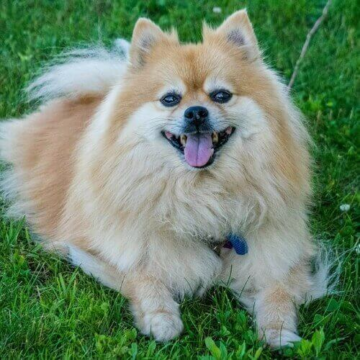
Pomeranians are among the most recognizable small dog breeds in the world, admired for their fluffy coats, alert expressions, and lively personalities. Over time, interest has grown not only in standard Pomeranians but also in much smaller variations often described as teacup-sized. While both types share the same breed heritage, there are important differences that potential owners should understand before choosing one over the other. Size, care requirements, temperament, health considerations, and lifestyle compatibility all play a role in determining which option is the better fit.
This comparison explores the real differences between teacup Pomeranian puppies and standard Pomeranians, helping readers make informed, responsible decisions based on facts rather than assumptions.
Size and Physical Differences
The most obvious difference between teacup and standard Pomeranians is size. Standard Pomeranians typically weigh between three and seven pounds as adults and have a sturdy, compact build for a toy breed. Teacup-sized dogs are bred to be noticeably smaller and may weigh under four pounds when fully grown.
While both types share the same fox-like face, upright ears, and thick double coat, the smaller size of teacup Pomeranians makes them appear more delicate. This reduced size can affect how they move, how they are handled, and how much physical stress their bodies can tolerate. Standard Pomeranians generally have stronger bones and joints, making them more resilient during everyday activities.
Health and Physical Resilience
Health is a key area where differences become more significant. Standard Pomeranians, while still a small breed, tend to be more physically robust than their teacup counterparts. Their slightly larger size often means stronger bone density and a lower risk of injury from minor falls or rough handling.
Teacup-sized dogs can be more vulnerable to health issues simply because of their scale. Their small frames may place added stress on organs and joints, and they can be more sensitive to changes in temperature, diet, and routine. Regular veterinary care is important for both types, but owners of very small dogs often need to be more vigilant about subtle health changes.
Feeding and Nutritional Needs
Both teacup and standard Pomeranians benefit from high-quality diets formulated for small breeds, but feeding routines can differ slightly. Standard Pomeranians generally tolerate more flexible meal schedules and slightly larger portions.
Teacup-sized dogs often require smaller, more frequent meals to maintain stable energy levels. Their faster metabolism and limited energy reserves mean skipped meals can have a greater impact. While the nutritional content may be similar, the feeding approach for smaller dogs requires more consistency and attention.
Grooming and Coat Care
Grooming needs are largely similar between the two types. Both have dense double coats that require regular brushing to prevent matting and maintain skin health. Coat color, texture, and shedding patterns are consistent across sizes.
The main difference lies in handling. Teacup Pomeranians may require gentler grooming sessions due to their size and sensitivity. Standard Pomeranians are often easier to manage during grooming simply because they are less fragile and easier to stabilize on grooming surfaces.
Temperament and Personality Traits
In terms of temperament, both teacup and standard Pomeranians share many core personality traits. They are typically intelligent, alert, confident, and affectionate. Their spitz heritage contributes to a bold attitude that often surprises people unfamiliar with the breed.
That said, teacup-sized dogs may show slightly higher sensitivity to stress or environmental changes. Their confidence remains, but it is often paired with a greater need for reassurance and routine. Standard Pomeranians, while still people-oriented, may display more independence and adaptability in busy or unpredictable settings.
Training and Behavior Differences
Training experiences can vary subtly between the two. Standard Pomeranians often find training slightly easier due to greater physical stamina and bladder capacity, which can simplify house training.
Teacup-sized dogs are just as intelligent but may require more patience during training, particularly in areas like housebreaking. Their small bladder size can influence training timelines, making consistency and realistic expectations especially important. Positive reinforcement works well for both types, but gentle handling is particularly critical for smaller dogs.
Lifestyle and Activity Level
Lifestyle compatibility is another important point of comparison. Both teacup and standard Pomeranians adapt well to indoor living and do not require extensive exercise. Short walks, playtime, and mental stimulation are usually sufficient.
However, standard Pomeranians often tolerate a wider range of activities. They may be more comfortable with longer walks, travel, or busier households. Teacup-sized dogs generally thrive in calmer environments where supervision is consistent and physical risks are minimized.
Apartment and Home Suitability
Both sizes can live comfortably in apartments, but the reasons differ slightly. Standard Pomeranians adapt well because of their manageable size and moderate exercise needs. They are often more forgiving of environmental noise and activity.
Teacup-sized dogs fit apartment living due to minimal space requirements, but they benefit most from quiet, controlled environments. Shared spaces, stairs, and furniture require extra safety considerations. Owners who spend more time at home often find teacup Pomeranians especially rewarding companions.
Emotional Needs and Owner Involvement
Emotional attachment is strong in both types, but teacup-sized dogs often rely more heavily on close owner interaction. They may seek reassurance and physical closeness more frequently.
Standard Pomeranians, while affectionate, may be slightly more independent. This can make them a better fit for owners who balance companionship with occasional time away from home.
Cost and Long-Term Commitment
Cost considerations extend beyond initial purchase. Veterinary care, grooming, and daily maintenance apply to both sizes, but teacup-sized dogs may incur higher medical costs over time due to increased health monitoring needs.
Before looking into pomeranian puppies for sale, prospective owners should consider not only budget but also long-term commitment. Both types can live long lives, often well into their teens, making lifestyle stability an important factor.
Choosing the Right Fit
Choosing between teacup and standard Pomeranians ultimately comes down to lifestyle, experience, and expectations. Those who value resilience, flexibility, and slightly easier care may find standard Pomeranians a better match. Individuals seeking a highly attentive companion in a calm environment may prefer the smaller size and closeness of a teacup dog.
Neither option is inherently better; the best choice is the one that aligns most closely with the owner’s ability to provide consistent, informed care.
Final Thoughts
Teacup and standard Pomeranians share the same breed roots, charm, and intelligence, but their differences matter in everyday life. Size influences health, handling, training, and lifestyle compatibility in ways that should not be overlooked.
By understanding these distinctions clearly, prospective owners can make choices that support the well-being of the dog and the satisfaction of the household. Thoughtful selection and responsible ownership are the foundation of a healthy, rewarding relationship with any Pomeranian, regardless of size.