

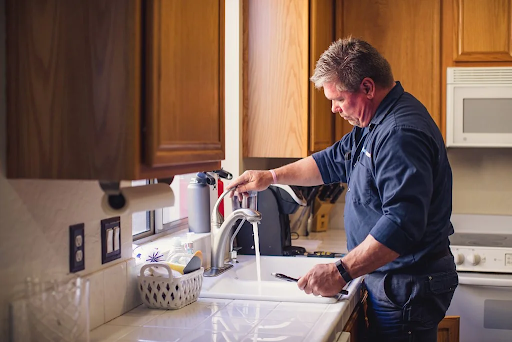
Preventive plumbing maintenance is one of the most effective ways homeowners can protect their property, control long-term costs, and avoid unexpected disruptions. In desert communities such as Phoenix and Anthem, environmental factors like extreme heat, mineral-heavy water, and soil conditions place additional stress on residential plumbing systems. These regional realities make routine care even more important. This article outlines practical, preventive plumbing maintenance tips tailored specifically to homeowners in Phoenix and Anthem, helping them maintain reliable systems year-round.
Why Preventive Plumbing Maintenance Matters in Desert Climates
Plumbing systems in desert environments operate under conditions that differ significantly from those in milder regions. Prolonged heat accelerates material wear, while hard water contributes to mineral buildup inside pipes and fixtures. Over time, these factors shorten the lifespan of plumbing components if not managed proactively.
Preventive maintenance focuses on identifying small issues early, maintaining system efficiency, and reducing the likelihood of sudden failures. For homeowners, this approach supports predictable upkeep rather than reactive repairs.
Understanding Local Environmental Stress on Plumbing Systems
Phoenix and Anthem experience long summers with sustained high temperatures. Pipes located in attics, exterior walls, and underground spaces are exposed to thermal expansion and contraction on a daily basis. This constant movement weakens joints and seals over time.
In addition, desert soil expands and contracts with changes in moisture levels caused by irrigation and seasonal rainfall. Underground pipes are affected by this movement, which can lead to cracks or misalignment. Maintenance routines should account for these environmental stresses.
Regularly Inspect Visible Plumbing Fixtures
One of the simplest yet most effective maintenance habits is routine visual inspection. Homeowners should periodically check faucets, toilets, exposed pipes, and shutoff valves for signs of leaks, corrosion, or mineral buildup.
Dripping faucets, water stains, or small puddles under sinks often indicate developing problems. Addressing these early prevents water waste and limits damage to surrounding materials such as cabinetry and flooring.
Monitor Water Pressure Consistently
Water pressure plays a critical role in plumbing system health. Excessively high pressure strains pipes, valves, and appliances, increasing the risk of leaks and failures. Low pressure, on the other hand, may signal blockages or hidden leaks.
Using a pressure gauge periodically helps homeowners track changes over time. Consistent monitoring allows pressure-related issues to be addressed before they escalate into larger repairs.
Drain Maintenance and Clog Prevention
Drains are among the most frequently used components of a plumbing system. Over time, soap residue, grease, hair, and mineral deposits accumulate inside drain lines. In Phoenix, hard water accelerates this buildup.
Preventive drain maintenance includes avoiding improper disposal of grease and debris, using strainers, and scheduling professional drain cleaning when slow drainage becomes noticeable. These steps reduce stress on pipes and help prevent backups.
Water Heater Care in High-Heat Regions
Water heaters in desert climates face unique challenges. While incoming water temperatures may be higher, mineral sediment accumulates more rapidly due to hard water. This sediment reduces efficiency and increases wear on internal components.
Routine maintenance such as flushing the tank and inspecting pressure relief valves helps extend the life of the unit. Homeowners should also watch for warning signs like inconsistent temperatures or unusual noises.
Inspect Outdoor Plumbing and Irrigation Connections
Outdoor plumbing components are particularly vulnerable to desert conditions. Hose bibs, irrigation lines, and exposed pipes endure direct sunlight and extreme temperature swings. UV exposure degrades materials, while heat accelerates wear.
Regular inspection of outdoor connections helps identify leaks that may otherwise go unnoticed. Simple measures like shading exposed pipes or using insulation can significantly extend component lifespan.
Know the Location of Shutoff Valves
Every homeowner should know where the main water shutoff valve is located and ensure it is accessible. In an emergency, being able to shut off water quickly can prevent extensive damage.
As part of routine maintenance, shutoff valves should be tested periodically to confirm they operate smoothly. Valves that are difficult to turn or show signs of corrosion should be serviced before an emergency occurs.
Schedule Periodic Professional Inspections
While many maintenance tasks can be handled by homeowners, professional inspections provide a deeper level of assessment. Trained professionals can identify issues that are not visible, such as hidden leaks, pressure imbalances, or early pipe corrosion.
Homeowners who work with plumbers in Phoenix, AZ benefit from professionals familiar with regional challenges such as hard water and heat-related wear. This localized understanding supports more accurate evaluations and tailored maintenance recommendations.
Address Minor Issues Before They Escalate
Small plumbing issues rarely resolve on their own. A slow drip, occasional gurgle, or brief pressure fluctuation often signals a developing problem. Preventive maintenance emphasizes addressing these early rather than waiting for failure.
Prompt attention reduces repair complexity and cost. Over time, this proactive approach contributes to system reliability and homeowner peace of mind.
Maintenance Considerations for Anthem Homes
Homes in nearby communities share many of the same environmental challenges while also presenting unique characteristics based on construction style and age. In areas like Anthem, newer developments may use modern materials that still require regular care under desert conditions.
A plumber in Anthem, AZ with experience in local housing designs understands how heat and water quality affect these systems. Area-specific insight supports effective maintenance strategies that align with local infrastructure.
Seasonal Plumbing Maintenance Planning
Seasonal planning is an effective way to manage plumbing care. Spring inspections help prepare systems for summer demand, while fall maintenance ensures that components are in good condition after months of heavy use.
Before peak summer, homeowners should check water pressure, inspect outdoor plumbing, and ensure water heaters are operating efficiently. Seasonal routines help reduce emergency risk during high-stress periods.
Understanding When Maintenance Is Not Enough
Preventive maintenance reduces risk but cannot eliminate it entirely. Aging pipes, outdated materials, or hidden structural issues may eventually require repair or replacement. Recognizing when maintenance transitions into repair is an important part of responsible homeownership.
Severe leaks, sewer backups, or sudden system failures require immediate professional response. In these situations, contacting an emergency plumber Phoenix homeowners rely on helps contain damage and restore essential services.
Record Keeping and Maintenance Awareness
Keeping simple records of plumbing inspections, repairs, and upgrades helps homeowners track system history. This information is valuable when planning future maintenance or explaining recurring issues to professionals.
Awareness of past problems also helps identify patterns that may signal deeper concerns, supporting more informed decisions over time.
Long-Term Benefits of Preventive Plumbing Care
Preventive maintenance delivers benefits beyond avoiding emergencies. Well-maintained plumbing systems operate more efficiently, conserve water, and support consistent comfort. Over time, this care contributes to lower utility bills and extended component lifespan.
For homeowners planning to sell in the future, documented maintenance can also support property value by demonstrating responsible system care.
Local Knowledge and Community Context
Local experience plays an important role in effective plumbing maintenance. Companies such as Hometown Plumbing Pros are often referenced in discussions about regional familiarity, illustrating the broader value of understanding local environmental conditions rather than promoting any specific service.
Community context influences plumbing system behavior, making localized maintenance strategies more effective than generic approaches.
Building a Preventive Mindset as a Homeowner
Plumbing maintenance is most effective when viewed as an ongoing responsibility rather than a reaction to problems. Developing a preventive mindset encourages regular observation, timely action, and informed decision-making.
Homeowners who understand how desert conditions affect plumbing systems are better equipped to protect their investment. Through consistent maintenance, awareness of warning signs, and attention to local factors, Phoenix and Anthem homeowners can reduce disruptions and ensure reliable plumbing performance for years to come.