

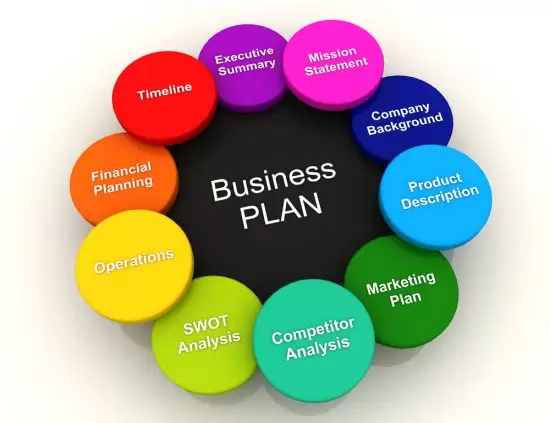
A strong business plan is not just a formality, it is the foundation for making smart decisions and gaining support from investors or lenders. To stand out, your business plan must be clear, structured, and convincing. Each section has a specific purpose, from presenting your vision to backing it up with solid numbers. When organized correctly, these parts tell a complete story about your business idea, how it will operate, and why it will succeed.
This breakdown helps you understand what each part should include and how to write it effectively. Whether you are launching a startup or refining an existing plan, knowing the anatomy of a business plan is key.
Key Sections of a Winning Business Plan Explained
A winning business plan is more than just an idea on paper, it is a structured roadmap that guides your venture from vision to execution. Each section plays a vital role in showing investors, partners, or lenders the strength of your concept and your plan for success. In this breakdown, we will walk through each part of a business plan, explaining its purpose and what it should include. From the executive summary to financial projections, here is how every section works together to tell a powerful business story: For professional guidance on the business plan sections reach out to this company.
Executive Summary
This is a short page at the beginning of your business plan. It explains your business idea in a simple way. It includes what your business does, your goals, and what makes you different. Even though it comes first, many people write it last. It helps people understand your business fast. A good summary makes others want to keep reading.
Business Description
In this section, explain what your business is and why it matters. Say what problem you are solving and how your business helps. Talk about what makes your idea special. You can also share how and why you started. This helps readers connect with your mission. It sets the tone for the whole business plan.
Market Analysis
This part shows that you understand your customers and your competition. Describe who your main customers are and what they need. Talk about how big the market is and how you fit into it. Mention what other businesses are doing and how yours is different. This shows you have done your research. It also proves your idea has a place in the market.
Organization and Team
This section tells who is running the business. Share names, roles, and experience. If you are working alone, talk about your skills. You can also mention any advisors helping you. This helps people trust that your business is in good hands. A strong team makes your business plan more believable.
Product or Service Description
Here, you explain what you are selling. Talk about what it does and why people will want it. Say what makes it better than other products or services. Keep your words simple and clear. If you have a sample or version already made, mention it. Help readers understand your offer quickly.
Marketing and Sales Plan
Marketing and sales plan shows how you will find customers. Explain if you will use social media, websites, events, or ads. Talk about how you will keep people interested in buying. Share simple ideas for promotions or rewards. This section shows how your business will grow. It also proves you know how to reach people.
Financial Plan
Here, you explain how your business will make and spend money. Share your startup costs, like supplies or rent. Then talk about how you will earn income. Use clear and honest numbers. If you need funding, say how much and why. This section helps readers see if your business can succeed.
Appendix
The appendix comes at the end. Add extra items like charts, photos, or letters. Only include what supports your business plan. This keeps your main sections clean. People can look here if they want more proof or detail.