

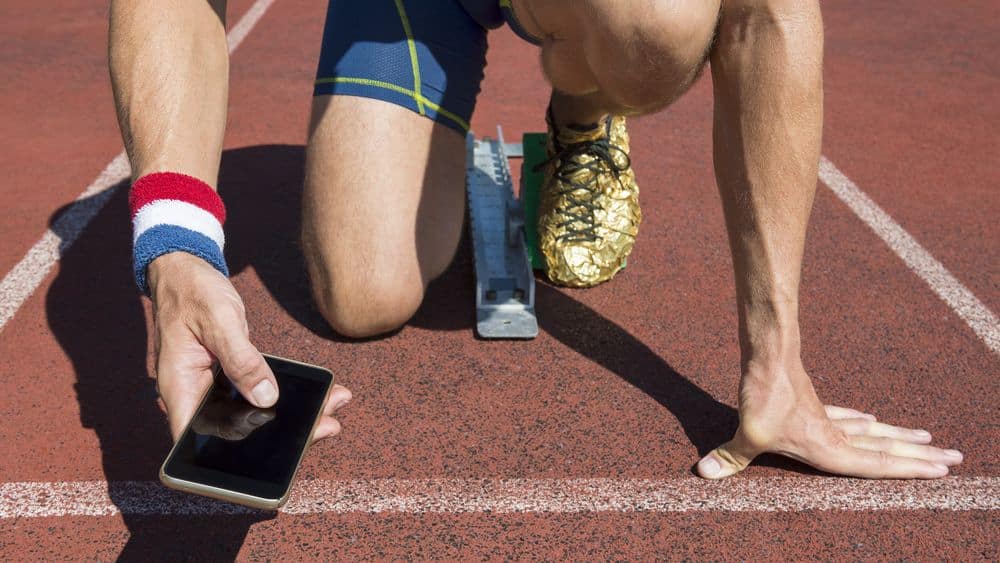
Not long ago, being an athlete meant sticking to the game — train, perform, repeat. But today, it’s different. Now, athletes aren’t just playing — they’re creating. Posting, filming, sharing, building brands on their own terms. From game-day vlogs to personal stories and podcasts, they’re connecting with fans in ways the old media never could.
This shift isn’t just changing how we see athletes — it’s changing the whole culture around sports, fame, and influence.
In this blog, we’ll talk about how the athlete-as-creator is owning their narrative and shaping what the future of sports looks like.
Telling Their Own Stories
Athletes today don’t have to wait for a post-game interview to talk about their journey. They can pick up a phone, hit a record, and speak their truth. Peter J. Product Owner of Fanpass, states, “Whether it’s a behind-the-scenes vlog, a training video, or a personal reflection, athletes are now in charge of what the world sees.”
Take Naomi Osaka, for example. She’s used her platforms to talk openly about mental health—something that would’ve been filtered or toned down in the past. Or LeBron James, who launched Uninterrupted, a media platform that lets athletes share their stories on their terms.
These athletes aren’t just reacting to the media — they’re becoming the media. And that matters. Because when players control their stories, they control how they’re seen.
Breaking the Mold
There’s no one way to be an athlete anymore. You can be a world-class sprinter and a fashion designer. A football star and a YouTube vlogger. A tennis champ and a startup founder. Athletes are blending sports with creativity, and it’s changing what success looks like.
For example, NBA player Matisse Thybulle started vlogging inside the NBA bubble during COVID. His videos weren’t just funny—they were personal, real, and gave fans a rare look at what life was like inside a locked-down league. And they took off.
Sumeer Kaur, Founder of Lehenga Choli, adds, “When athletes show who they are beyond the jersey, fans connect deeper. That’s what makes the athlete-as-creator so powerful.” It builds loyalty, humanizes the game, and widens the reach far beyond sports pages.
Creating Real Connection
The old way was distant — athletes on one side, fans on the other. But today’s creators close that gap. When an athlete posts a gym routine, answers DMs, or shares a family moment, it creates a kind of bond that highlights the human behind the stats.
And fans love it. They’re not just watching games—they’re following stories, investing in personalities, and becoming part of the journey. That emotional connection has value. It brings more views, more engagement, and more brand power.
Brands have noticed, too. Instead of old-school sponsorships, they now want athletes who create content. Why? Because content builds trust. And trust sells.
Owning the Business Side
“Athletes as creators aren’t just shaping culture—they’re building businesses. Content is a product now,” states Jake Smith, Founder of Private Number Plates. A podcast can land a sponsorship deal. A YouTube channel can turn into a media brand. Even one viral clip can open doors.
Think about Travis Kelce and his podcast “New Heights” with his brother. It’s smart, funny, and completely theirs. They’re not waiting for ESPN to tell their story—they’re telling it themselves, making money from it, and building something long-term.
Or look at Shaquille O’Neal. He’s not just a former NBA star—he’s a DJ, a businessman, a content creator, and a personality. That kind of range wasn’t always encouraged. Now it’s celebrated.
Inspiring the Next Generation
Young athletes are watching all of this. And they’re learning that being a pro doesn’t just mean working on your jump shot or sprint time. It also means building a presence, telling your story, and thinking long-term.
With NIL (Name, Image, Likeness) rights now in place for college athletes, even high school players are starting to think like creators. They’re making highlight reels, building followings, and growing personal brands before they even hit the pros.
That early head start changes everything. It helps with recruiting, sponsorships, and fan support. But more than that, it shows that athletes have power—real, cultural, lasting power.
Redefining Sports Media
The rise of the athlete-as-creator is also changing the media game. Traditional sports reporters used to break the news. Now, players do it themselves.
When Kevin Durant wanted to explain why he left Golden State, he didn’t call a press conference—he dropped a podcast episode. Julian Lloyd Jones, from Casual Fitters, said, “When athletes want to announce a new team, address controversy, or share big life updates, they often do it straight to camera. It’s not about avoiding the media — it’s about owning the message. Controlling the narrative. And it works.”
At the same time, outlets like The Players’ Tribune have popped up to support this shift. These platforms are built by athletes, for athletes — and they’re changing the rules.
Expanding Creative Teams
To keep up, many athlete-creators are building full teams around them. It’s no longer just about a phone and a selfie stick – it’s about editors, brand managers, social media strategists, and videographers. These teams help athletes stay consistent while focusing on their careers.
This shift is also creating new job opportunities in sports-adjacent media. Dan Close, Founder and CEO of BuyingHomes.com, said, “People who once only dreamed of working with athletes now find themselves editing highlight reels, managing posts, or pitching video concepts.”
Collaborating With Other Creators
Another evolution is how athletes are teaming up with influencers, streamers, and other creators. A basketball star might appear on a Twitch stream. A soccer player might drop a YouTube collab with a popular vlogger. These crossovers bring in new audiences and blur the lines between traditional fame and online influence.
It’s no longer just about competing on the court—it’s about competing for attention online, and collaboration is a smart way to grow fast.
Shaping Culture
When athletes create, they’re not just influencing fans — they’re shaping what matters. From pushing conversations around mental health, race, gender, and equality to starting social movements, athlete-creators are taking stands and being heard.
In the past, these issues were sometimes avoided in sports. Now, they’re at the front. And athlete voices are helping lead the way.
Facing Challenges
Of course, it’s not all easy. Being a creator takes time, planning, and energy. Athletes already have demanding schedules, and content creation adds more work.
Plus, with more visibility comes more pressure. People online can be harsh. One wrong post can spark backlash. And when everything is public, privacy gets harder to protect.
Still, many athletes see it as worth it. Because with the risks come rewards: independence, influence, and lasting impact.
Conclusion
Today’s athletes aren’t just playing the game — they’re sharing their lives, telling their own stories, and building something bigger. They’re connecting with fans, growing their own brands, and showing who they really are. This change is big.
It’s not just about sports anymore — it’s about having a voice and using it. From young players to big names, more and more athletes are becoming creators. And this is just the start.