

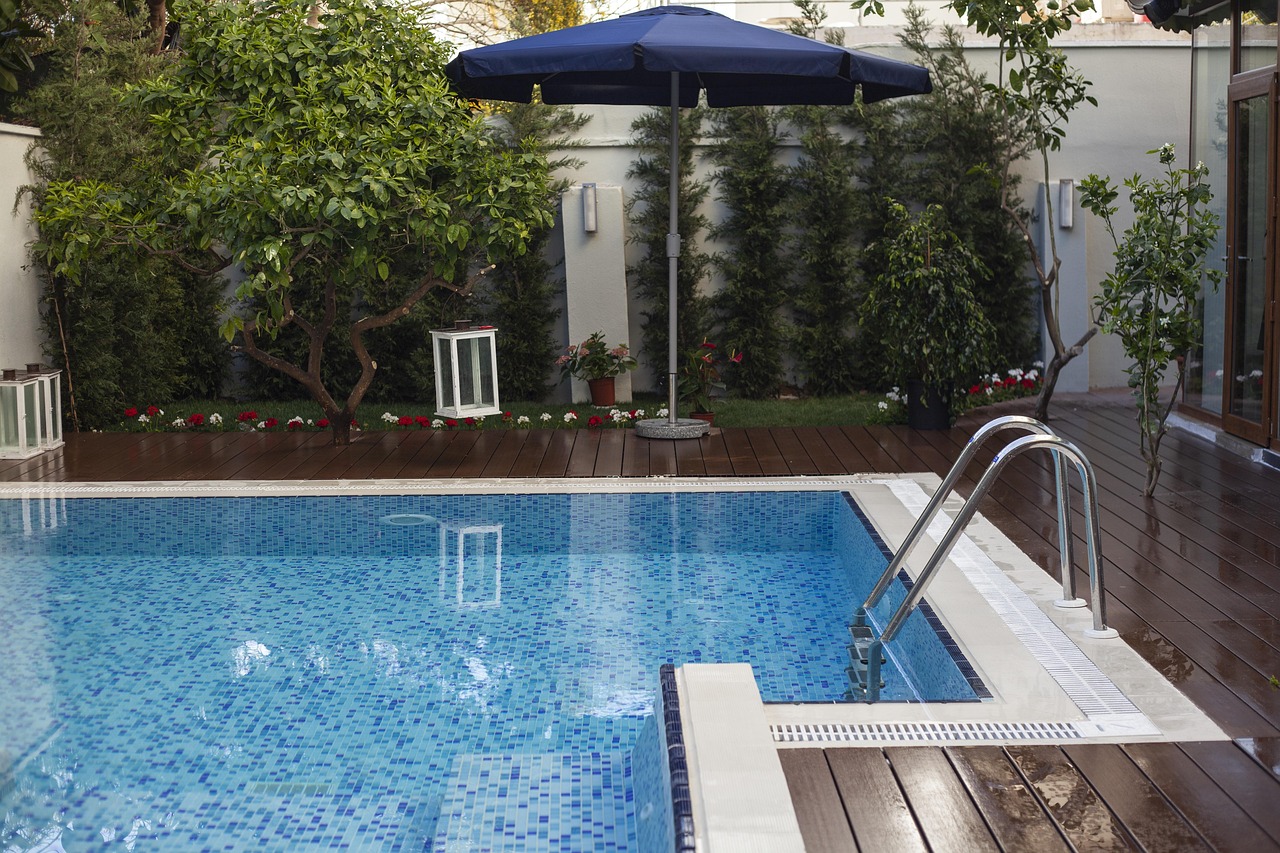
Adding a swimming pool to your property is more than just an upgrade—it’s a lifestyle enhancement that can transform your home into a relaxing retreat and social hub. Whether your goal is fitness, leisure, or simply increasing your property’s value, a swimming pool offers significant long-term benefits. However, the success of a pool project depends largely on planning, choosing the right materials, and working with knowledgeable professionals. That’s why understanding every aspect of Pool Installation is critical before breaking ground.
This comprehensive guide is designed to help you navigate the entire process—from concept to completion. We’ll explore the steps involved, common challenges, material options, timelines, budgeting, and tips for ensuring the best outcomes. If you’re ready to dive into pool ownership, this resource will provide everything you need to make informed decisions along the way.
Why Invest in a Swimming Pool?
Before getting into the nuts and bolts of installation, it’s worth examining why homeowners choose to invest in a pool in the first place. Beyond aesthetics, pools offer numerous lifestyle advantages:
- Health and Wellness: Swimming is a low-impact, full-body workout.
- Entertainment: Pools create an inviting space for family and social gatherings.
- Property Value: In the right context, a pool can increase resale value.
- Relaxation: Nothing compares to the stress relief of a personal water oasis.
- Convenience: Having a pool at home eliminates the need for club memberships or community pool visits.
While these benefits are clear, they are only fully realized with proper planning and installation. That’s why the Pool Installation process should be approached with careful consideration.
Planning Your Pool Project: Essential Steps
Proper planning ensures your pool project stays on time, within budget, and aligned with your goals. Here are the critical steps to get started:
1. Define Your Goals
Think about how you plan to use the pool. Will it be for exercise, recreation, aesthetics, or a combination of these? Your intended use will determine the pool type, size, depth, and features.
2. Evaluate Your Property
Assess the layout, size, slope, and access points of your yard. Soil composition, drainage, and proximity to utility lines can all impact feasibility and costs.
3. Research Pool Types
Understand the differences between in-ground and above-ground pools, as well as construction materials like concrete, vinyl, and fiberglass.
4. Establish a Budget
Factor in not just the initial installation cost, but also long-term expenses such as maintenance, utility bills, and repairs. Your budget should allow for a contingency buffer of 10–15% for unexpected costs.
5. Choose a Pool Design
Consider pool shape (rectangle, freeform, kidney), depth profile, and add-ons such as lighting, tanning ledges, or spas.
6. Hire a Professional
Choosing the right contractor is perhaps the most important decision. Look for a licensed, insured professional with experience in your desired pool type and positive client reviews.
Types of Swimming Pools
The material and construction method of your pool will significantly influence cost, durability, appearance, and maintenance. Let’s explore the most common types of residential pools.
1. Concrete (Gunite/Shotcrete) Pools
- Pros: Fully customizable in shape and size, extremely durable, long lifespan.
- Cons: Higher cost, longer installation time, rough surface, regular resurfacing required.
Concrete pools are ideal for homeowners seeking a completely custom pool with unique features such as infinity edges, tanning shelves, or built-in spas.
2. Fiberglass Pools
- Pros: Quick installation, smooth surface, low maintenance, energy-efficient.
- Cons: Limited to factory-molded shapes and sizes, higher upfront shell cost.
Fiberglass is a great choice for those looking for a long-lasting pool with minimal upkeep and a fast turnaround time.
3. Vinyl Liner Pools
- Pros: Lower initial cost, smoother surface, customizable dimensions.
- Cons: Liners need replacement every 7–10 years, potential for punctures, higher lifetime maintenance.
Vinyl liner pools offer flexibility and affordability, making them a popular option for budget-conscious homeowners.
Key Phases of Pool Installation
Each step in the Pool Installation process must be carefully coordinated. Here’s a breakdown of what to expect:
1. Design and Permits
After selecting a contractor, the design phase begins. This includes layout drawings, selecting materials, and submitting plans to local authorities for permits. This step can take 1–4 weeks depending on complexity and local requirements.
2. Site Preparation and Excavation
The contractor will mark the pool layout and begin excavation. Soil conditions and weather may affect this phase, which typically takes 1–3 days.
3. Structural Work
This involves placing steel rebar for concrete pools or setting the shell for fiberglass models. Plumbing and electrical systems are also installed. For vinyl pools, wall panels and the liner base are set in place.
4. Plumbing and Electrical
Pipes for circulation, drainage, and optional features (like waterfalls or heating) are run, along with electrical lines for lighting, automation, or heating systems.
5. Pool Shell Installation
Depending on the type:
- Concrete is sprayed, shaped, and cured (can take weeks).
- Fiberglass is lowered into the excavation and leveled.
- Vinyl liners are installed after wall panel assembly.
6. Decking and Landscaping
Coping and surrounding deck surfaces are poured or placed. Options include concrete, pavers, stone, or wood. Landscaping is often done last to integrate the pool with the yard.
7. Filling and Final Checks
Once construction is complete, the pool is filled with water, chemical levels are balanced, and systems are tested. The contractor may offer a walkthrough to demonstrate how to operate the equipment.
Optional Features and Enhancements
Customizing your pool can greatly enhance its usability and appeal. Here are some popular upgrades:
- Heating Systems: Extend the swimming season.
- Automation: Smart systems to control lights, temperature, and cleaning.
- LED Lighting: Add ambiance and night-time usability.
- Water Features: Waterfalls, bubblers, and deck jets.
- Safety Features: Covers, fences, and alarms.
- Spas and Hot Tubs: Integrated or adjacent to the pool.
- Saltwater Systems: A gentler alternative to traditional chlorine.
These additions can raise your overall cost but significantly improve your pool experience.
Common Challenges in Pool Installation
Despite the excitement, it’s important to be aware of potential roadblocks and how to address them.
- Permit Delays: Work closely with your contractor to ensure all paperwork is submitted correctly and on time.
- Weather Conditions: Rain, freezing temperatures, or high winds can delay excavation and concrete work.
- Soil and Grading Issues: Unstable or expansive soil may require additional reinforcement.
- Hidden Utility Lines: Always call for utility marking before excavation.
- Budget Overruns: Avoid last-minute changes and allow for contingency funding.
Preparation, clear communication, and hiring experienced professionals can minimize these risks.
Long-Term Pool Care and Maintenance
A pool is a long-term investment that requires regular upkeep. Here’s what’s involved in ongoing care:
- Water Chemistry: Weekly testing and balancing of pH, chlorine, and alkalinity.
- Cleaning: Skimming, brushing, and vacuuming to remove debris and algae.
- Filter Maintenance: Cleaning or replacing filters as needed.
- Equipment Checks: Routine inspection of pumps, heaters, and automation systems.
- Seasonal Tasks: Opening and closing procedures for those in seasonal climates.
Many homeowners choose to hire a service provider for routine maintenance, which helps ensure longevity and efficiency.
Estimating the Cost of Pool Installation
Costs can vary greatly depending on pool type, materials, size, and extras. Here’s a general range:
- Vinyl liner pools: $35,000 – $65,000
- Fiberglass pools: $45,000 – $85,000
- Concrete pools: $60,000 – $120,000+
Additional features like automation, spas, lighting, or elaborate landscaping will increase the overall budget. Always get multiple quotes and make sure each includes a detailed breakdown of costs.
Final Thoughts
Adding a swimming pool is a major home improvement decision that blends design, construction, and lifestyle considerations. With proper planning, a clear budget, and the right team of professionals, your Pool Installation can result in years of enjoyment and added property value. From selecting the right type and features to understanding the construction timeline and long-term care, every step contributes to the success of your investment.
While the process can seem complex, it becomes much more manageable when approached with knowledge and confidence. Make sure to work with trusted professionals, ask detailed questions, and never rush decisions—doing so ensures your pool becomes a safe, stunning centerpiece for your home.