

Your comfort level and self-assurance together with your appearance improve when you match clothing fabrics properly with the weather conditions. Wearing materials remains vital for everyday wear since weather changes require adaptable clothing decisions beyond concerns about color and fit and trends. Your ability to choose appropriate fabrics based on weather conditions allows you to dress optimally leading to more comfortable and confident daily activities such as professional work or weekend leisure. An examination of optimal materials for wearing under different climate situations follows so your garments become climate-friendly.
Fabrics for Warm and Humid Weather
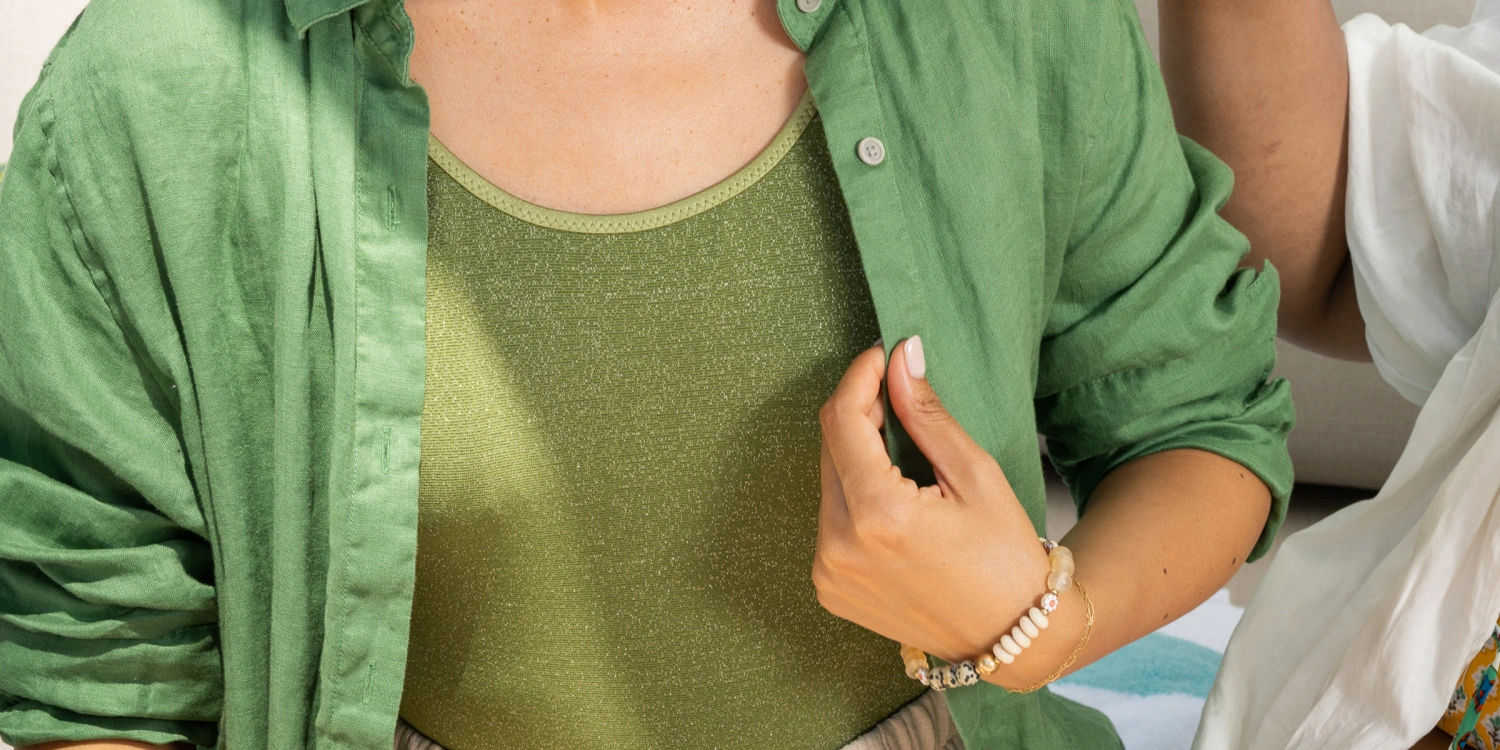
During hot and humid conditions people seek comfortable refreshing attire that presents stylish looks. Cotton stands as a dependable material in fabric selections. The fabric absorbs sweat well and stays lightweight while breathing properly during sunny weather conditions. The fabric made from linen proves its suitability for people who want summer clothing. Its fibers stay loose while permitting breathability yet it easily wrinkles but this is why people use linen to create summer casual fashion.
Rayon suits people who desire articles of clothing that both drape gracefully and provide a pleasant skin sensation. This material produces a finish that duplicates natural fibers despite its silk-like texture. The synthetic fabrics polyester and nylon present appealing crease resistance yet they retain heat which makes them uncomfortable in hot conditions. As summer approaches it is beneficial to choose loose clothing items while wearing either designer sandals or a high-quality birkenstock clog dupe to finish off your warm-weather ensemble.
Fabrics for Cold and Dry Weather
As the air becomes chilly and fresh many people choose to start implementing insulation methods. The high warmth together with durability makes wool a primary fabric option for its many appealing attributes. Your body stays pleasant and dry when wool fabric catches heat while simultaneously pulling moisture away from your skin. Wool presents itself as a practical and fashionable material choice that protects users in both functional and stylish ways throughout the fall and winter season.
Fearless cold weather outfits incorporate fleece as an optimal choice. The material has a pleasant softness which combined with its lightweight nature produces excellent insulating properties. Wear fleece or inner lining on outerwear and easily combine it with additional clothing items. The denser wool fabric tweed stands out as an excellent selection for structured items such as blazers and skirts that deliver both elegant appeal and strong insulation. Natural thicker weaves should be your choice for weather protection and overly thin or sheer fabrics must be avoided unless layering is impossible.
Fabrics for Rainy or Wet Conditions
The fabric selection for wet conditions needs to keep water away while maintaining air circulation ability. Synthetic materials show optimal results through their partnership with natural fabric components during wet conditions. Water-resistant jackets made with polyester and nylon function adequately under breathable undergarments while protecting from moisture. The material dries rapidly while presenting easy maintenance so people can utilize them effectively in variable climate conditions.
Water-resistant wool stands out as an effective option for wet conditions because proper treatment makes it resist water penetration. This material provides insulation while soaking wet making it an exceptionally promising option. Using cotton during rain will make it absorb water without proper drying efficiency. The acquisition of a modern raincoat or resistant anorak represents a major weather defense tool. Footwear must have puddle-resist and damp sidewalk defense to build a complete rain-proof ensemble.
Fabrics for Windy or Transitional Weather
Transitional weather between seasons requires adaptable outfits because temperature shifts are unforeseeable. When the weather requires multiple clothing layers, denim and flannel turn out to be optimal choices. The insulating properties of denim come secondary to its protective wind-blocking quality but it functions well with hoodies and knits underneath. Flannel stands out as an ideal material because it provides warmth while feeling soft so you can stay comfortable during the period between late fall and early spring.
Knits made from lightweight fabrics and blended with modal materials function best during unpredictable weather shifts. The materials maintain enough coverage to block cold air while preventing excessive heat buildup under the midday sun. You should test different layers that work well for both adding and eliminating such layers through cardigans as well as jackets and scarves. Fabric weight and density need equal attention as material type when weather conditions change in autumn or spring.