

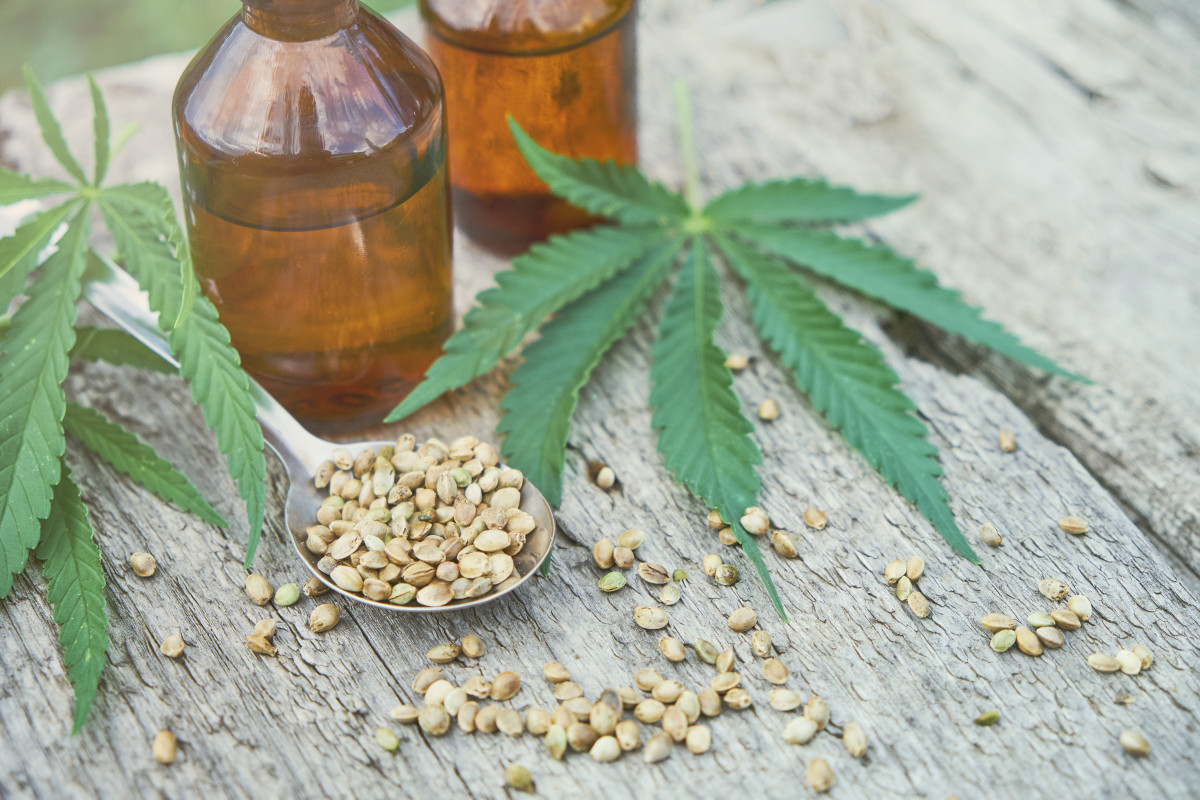
The global cannabidiol market has slipped into the mainstream almost without noise, carried by shifting regulations, changing consumer habits, and a broader rethinking of health. Once confined to niche shops and specialist forums, CBD now appears in pharmacies, beauty aisles, and digital storefronts across continents. This expansion raises questions about regulation, trust, and scale, while revealing how fast a once-marginal product can redefine a global industry.
A market driven by demand and regulation
Few consumer markets have grown as quickly, or as unevenly, as CBD. Legal frameworks still vary widely, yet demand keeps pushing forward, forcing lawmakers to adapt. In North America and parts of Europe, regulatory clarification has unlocked investment, encouraged research, and reassured retailers, while other regions continue to move cautiously, wary of confusion between CBD and psychoactive cannabis.
This patchwork has not slowed momentum. Analysts point to rising interest in natural wellness products, and to consumers increasingly comfortable with plant-based alternatives. CBD sits neatly at that intersection, marketed as calming, restorative, and modern, even as scientific consensus continues to develop. The result is a market expanding faster than the rules designed to contain it.
Wellness culture fuels global expansion
Behind the numbers lies a cultural shift. Wellness no longer belongs solely to gyms or health retreats; it has become a daily routine, shaped by stress, screens, and urban life. CBD products, from oils to gummies, have found a receptive audience among consumers seeking balance without prescription drugs, and without the stigma once attached to cannabis-related products.
This trend has gone global. In Asia-Pacific, curiosity grows alongside disposable income, while Latin America positions itself as a future production hub, leveraging climate and agricultural expertise. Europe, meanwhile, balances enthusiasm with caution, as regulators insist on product transparency and quality controls. Across these regions, brands compete on storytelling as much as formulation, promising authenticity, traceability, and ethical sourcing.
E-commerce and trust in the CBD economy
Digital commerce has played a decisive role in shaping the CBD market. Online platforms allow brands to bypass hesitant retailers and reach consumers directly, often across borders. Yet this convenience raises another issue: trust. Without clear labeling and consistent standards, consumers struggle to distinguish credible products from questionable ones.
As a result, transparency has become a competitive advantage. Companies invest in lab testing, publish certificates of analysis, and educate customers through content rather than slogans. For many buyers, the decision to buy CBD online from Mama Kana or similar platforms reflects a broader expectation that information should accompany the product, not follow it. In a crowded digital space, credibility sells as much as efficacy.
Economic impact and future outlook
The economic implications extend well beyond wellness shelves. The CBD market supports farmers, chemists, logistics firms, and digital marketers, creating an ecosystem that mirrors more established consumer goods industries. Governments, once skeptical, now weigh tax revenues against regulatory costs, and employment figures against public health concerns.
Looking ahead, growth appears likely but not unchecked. Stricter standards could slow smaller players, while favoring brands able to invest in compliance and research. At the same time, consumer education may temper unrealistic expectations, anchoring CBD more firmly in evidence-based wellness rather than hype. The market’s next phase may be quieter, but more sustainable, shaped less by novelty than by normalization.
What this means for consumers
For consumers, the rise of the global CBD market offers both opportunity and responsibility. Access has never been easier, prices have become more competitive, and product variety continues to expand. Yet choice demands discernment. Understanding sourcing, dosage, and regulation remains essential in navigating a market still finding its balance.
As CBD settles into everyday life, its story becomes less about disruption and more about integration. The challenge now lies in aligning commercial success with scientific clarity, and consumer enthusiasm with informed decision-making. Only then can the market’s promise mature into lasting credibility.
from trend to routine
The global CBD market no longer feels experimental, yet it is not fully settled. For readers considering their first purchase, budgets vary widely, and quality often justifies price. Practical advice remains simple: verify sourcing, check testing, and follow local regulations. In a fast-moving market, informed choices remain the best safeguard.