

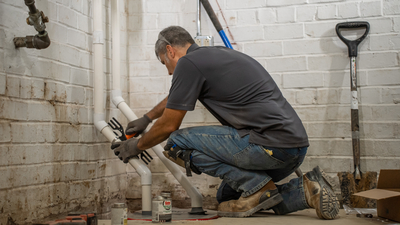
A damp, musty, or flooded basement can be every homeowner’s nightmare — but the good news is that it’s preventable. Whether you’re already dealing with water damage or just want to safeguard your home, basement waterproofing in Columbus, OH is a crucial step. Ohio’s unpredictable weather, from heavy rains to melting snow, puts homes at risk of water intrusion and foundation issues. A well-planned waterproofing system not only protects your property’s structure but also preserves its value and comfort.
This comprehensive checklist will walk you through every essential element of basement waterproofing in Ohio, including drainage systems, wall supports, downspout drains, and more.
1. Inspect the Source of Moisture
Before starting any basement waterproofing, identify where the water is coming from. Common sources include:
- Cracks in basement walls or floors
- Poor yard drainage or grading
- Leaky window wells or egress windows
- Overflowing gutters or disconnected downspout drains
- Hydrostatic pressure forcing water through the foundation
Use a moisture meter or consult a waterproofing professional in Columbus, OH, to pinpoint the exact cause. Addressing the root issue prevents further damage and ensures your waterproofing system performs effectively.
2. Improve Surface and Gutter Drainage
Your home’s first line of defense is proper exterior drainage. Ensure that your gutters and downspout drains are working efficiently. Clogged or broken downspouts can allow water to collect around your foundation, leading to leaks or wall cracks.
Checklist:
✅ Clean gutters regularly
✅ Extend downspouts at least 6–10 feet from your home’s foundation
✅ Check yard grading so water flows away, not toward the basement
If your home frequently experiences pooling water, installing French drains or culvert drains can help redirect runoff safely away from your foundation.
3. Check Foundation Integrity
Foundation damage is one of the leading causes of water intrusion. Ohio’s soil expands and contracts with moisture changes, putting pressure on basement walls. Cracks, bowing, or shifting walls are red flags.
Professional basement waterproofing columbus oh contractors often recommend Basement Wall Supports or wall anchors to stabilize the structure. These systems prevent further movement, protecting your basement from collapse or leaks.
In cases of significant structural issues, foundation repair may also be necessary. A stable foundation ensures that all other waterproofing methods remain effective long-term.
4. Install or Upgrade Foundation Drains
A key component of any waterproofing system is a reliable foundation drain. Often called a perimeter drain or weeping tile, it collects groundwater and channels it away from your basement before it can enter.
Checklist for an effective foundation drain:
✅ Properly sloped drainage system around the foundation perimeter
✅ Connection to a sump pump or external drainage outlet
✅ Regular inspection for blockages or sediment buildup
In older homes, replacing or upgrading your foundation drains can make a dramatic difference in keeping your basement dry.
5. Seal Cracks and Apply Interior Waterproofing
Once the structural and drainage elements are handled, it’s time to seal the basement itself. Use waterproof coatings, sealants, or membranes to prevent moisture seepage through walls and floors.
Interior waterproofing tips:
- Apply epoxy or polyurethane injections to wall cracks
- Use vapor barriers or waterproof paints on basement walls
- Ensure sump pumps are operational and properly maintained
Interior systems are especially effective when paired with external drainage, providing comprehensive moisture protection.
6. Consider Crawl Space Encapsulation
Homes with crawl spaces face similar moisture challenges. Water vapor and humidity can rise from exposed soil, leading to mold growth and musty odors that spread throughout your house.
Crawl Space Encapsulation involves sealing the area with heavy-duty vapor barriers and insulating walls and floors. It not only enhances indoor air quality but also prevents structural rot, protecting your entire home from moisture damage.
If you’re already investing in basement waterproofing in Columbus, OH, adding crawl space encapsulation ensures your entire foundation system remains protected and dry.
7. Add a Sump Pump System
A sump pump is one of the most vital tools in any basement waterproofing Ohio system. It collects water from foundation drains or the basement floor and automatically pumps it away from your home.
For maximum reliability:
✅ Choose a pump with a battery backup system (for power outages)
✅ Test your pump regularly before the rainy season
✅ Keep the discharge line clear of debris
An efficient sump pump system can mean the difference between a dry basement and a flooded disaster during heavy Ohio storms.
8. Preventative Maintenance: Stay Ahead of the Problem
Waterproofing isn’t a one-time job—it’s an ongoing commitment. Regular maintenance ensures all your systems continue working effectively.
Maintenance checklist:
- Inspect basement walls and floors for new cracks
- Test sump pumps every few months
- Keep gutters and downspout drains clear
- Watch for musty odors or damp spots (early signs of leaks)
- Schedule annual inspections from a basement waterproofing Columbus OH professional
Final Thoughts
A dry, healthy basement doesn’t happen by accident—it’s the result of proactive planning and professional basement waterproofing. From fixing downspout drains to reinforcing walls and maintaining drainage systems, every step plays a crucial role in protecting your home’s structure and safety.
Ohio’s climate demands vigilance, but with expert help from trusted local contractors, you can rest easy knowing your foundation is secure, your walls are stable, and your basement remains clean, dry, and livable all year long.
Whether you’re dealing with minor leaks or planning a full waterproofing upgrade, start today—because the best time to protect your home is before the next rainy season hits.