

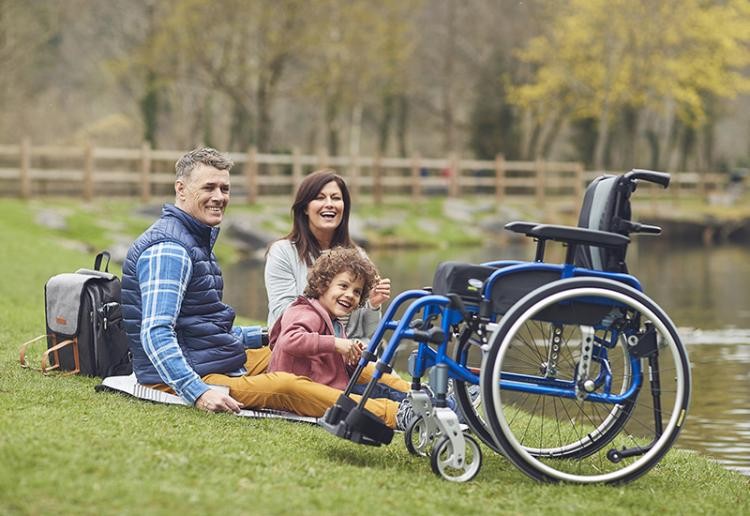
Purchasing your first 輪椅 is a major life decision that directly impacts comfort, independence, and overall quality of life. Whether mobility support is needed due to injury, aging, or a long-term medical condition, selecting the right model requires thoughtful evaluation. With countless options available in today’s market, first-time buyers can easily feel overwhelmed. This comprehensive guide will walk you through the essential factors to consider so you can make a confident and informed choice.
Understanding Your Mobility Needs
The first step in choosing the right 輪椅 is understanding the user’s daily mobility requirements. Consider whether it will be used temporarily for recovery or as a long-term mobility solution. Think about how many hours per day it will be used and whether it will primarily serve indoor, outdoor, or mixed environments. Someone navigating tight hallways at home may need a compact design, while outdoor users may benefit from larger rear wheels and enhanced stability.
Manual vs Power Options
One of the most important decisions is choosing between manual and power-operated models. Manual versions require upper body strength or assistance from a caregiver. They are typically lighter, more affordable, and easier to transport. Power models, on the other hand, offer motorized control through a joystick and are ideal for users with limited arm strength or endurance. Carefully assess physical ability, lifestyle, and budget before deciding which type of 輪椅 best matches your needs.
Proper Fit and Measurements
Comfort begins with correct sizing. An improperly fitted mobility chair can cause pressure sores, back pain, and posture problems. Seat width, seat depth, backrest height, and footrest positioning must all be measured accurately. A healthcare professional or mobility specialist can help ensure the 輪椅 supports proper alignment and weight distribution. Never rely on guesswork when it comes to measurements, as precision significantly affects long-term comfort and health outcomes.
Frame Material and Weight
Frame construction influences durability and portability. Steel frames are sturdy and cost-effective but tend to be heavier. Aluminum frames are lighter and resistant to corrosion, making them popular for everyday use. High-end models may use titanium or carbon fiber for maximum strength with minimal weight. If frequent transport in a vehicle is required, a lightweight folding design may be the most practical 輪椅 option for daily convenience.
Comfort and Seating Systems
Seating plays a critical role in preventing discomfort and medical complications. Cushions made of foam, gel, or air provide pressure relief and improve posture. Adjustable backrests and armrests enhance customization. For users who remain seated for extended periods, investing in advanced seating technology is essential. A well-designed 輪椅 should promote healthy circulation and minimize strain on the spine while maintaining proper positioning.
Wheel and Tire Selection
Wheel configuration affects maneuverability and terrain performance. Large rear wheels allow users to self-propel more efficiently, while smaller transport wheels are better suited for caregiver-assisted mobility. Solid tires are maintenance-free and puncture-resistant, whereas pneumatic tires provide better shock absorption on uneven surfaces. Consider where the 輪椅 will be used most often before choosing the most appropriate tire type.
Portability and Storage
For individuals who travel frequently, portability is crucial. Folding frames simplify storage and transport in cars, airplanes, and public transportation. Some models feature quick-release wheels for compact packing. If space at home is limited, ensure the selected model can fit comfortably through doorways and be stored conveniently when not in use.
Safety Features to Look For
Modern mobility equipment includes various safety enhancements such as anti-tip bars, secure braking systems, and reflective components for visibility. Seat belts and positioning straps provide additional support when needed. Evaluating these features ensures the 輪椅 delivers both independence and security, giving users confidence in everyday situations.
Budget and Insurance Considerations
Costs vary widely depending on features and materials. Basic manual models are generally more affordable, while advanced power options with custom seating can be significantly more expensive. Check with insurance providers to determine coverage eligibility. Many healthcare systems partially or fully cover a medically necessary 輪椅 when prescribed by a physician, making professional consultation an important step.
Future-Proofing Your Purchase
Mobility needs may change over time. Adjustable components and modular accessories allow flexibility as circumstances evolve. Choosing a model with upgrade potential can extend its usability and provide long-term value. Think beyond immediate needs and consider how the chair will serve you in the coming years.
Conclusion
Buying your first 輪椅 is not simply about selecting a mobility device. It is about investing in freedom, dignity, and independence. By carefully evaluating physical needs, lifestyle demands, comfort features, and long-term adaptability, first-time users can avoid common mistakes and choose wisely. Taking the time to research, measure accurately, and seek professional guidance will result in a solution that enhances mobility and improves everyday life.