

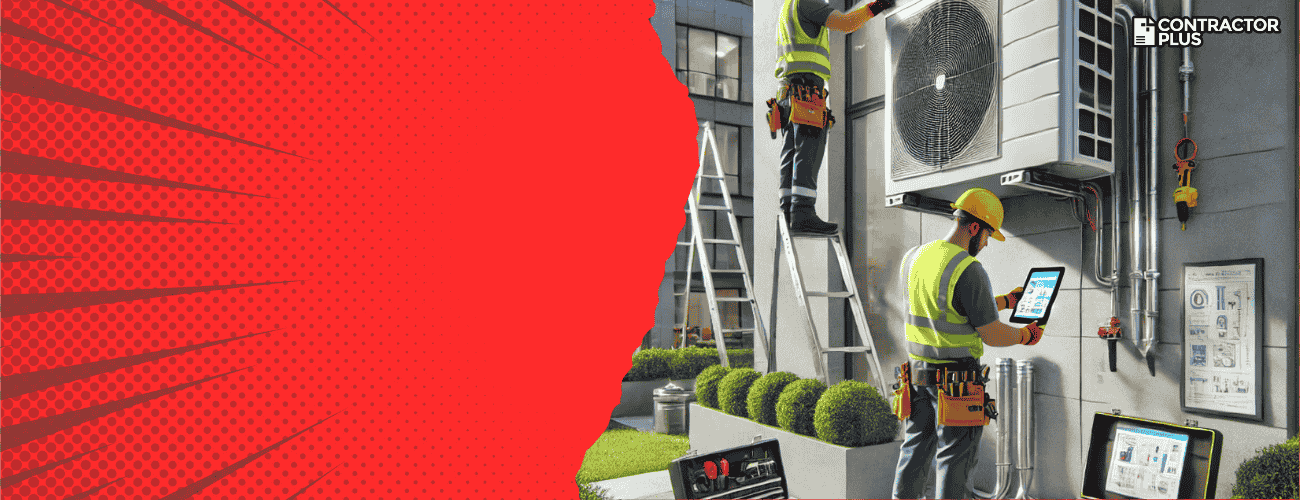
Installing a new HVAC system is one of the smartest investments you can make to improve your home’s comfort, energy efficiency, and air quality. But how do you ensure the installation process goes as smoothly as possible? The truth is, getting an HVAC system installed isn’t just about choosing the right unit; it’s about planning, preparation, and expert execution.
This post isn’t your typical how-to guide. Instead, we’ll walk you through an essential checklist of considerations, from pre-installation preparations to post-installation inspections. Whether you’re upgrading your current system or getting HVAC installed for the first time, you’ll leave this article feeling ready for the process.
Why Proper HVAC Installation Matters
An HVAC system is a long-term investment in your home’s comfort and value. A subpar installation can lead to inefficiency, uneven heating and cooling, frequent repairs, and even safety issues. According to Energy Star, improper installation can reduce system efficiency by as much as 30%. This could mean higher energy bills and a shorter lifespan for the unit.
By taking the time to ensure your HVAC system is installed correctly, you’ll enjoy benefits like lower utility bills, consistent indoor comfort, better indoor air quality, and reliable system performance.
What Makes an HVAC Installation Unique?
Every home is different, and a flawless HVAC installation takes into account factors like the size of the property, local climate, existing ductwork, insulation, and airflow requirements. A trustworthy HVAC technician will tailor the installation to meet the specific needs of your space.
When planning your HVAC installation, it’s crucial to consider the specific climate needs of your area to ensure optimal performance and efficiency. For those in Indiana, finding an experienced hvac contractor schererville, in can make all the difference in achieving optimal system performance and energy efficiency. Additionally, understanding the local regulations and energy efficiency standards can help you make informed decisions. To explore more about tailored HVAC solutions and expert advice for your specific location, Learn More about the options available to enhance your home’s comfort and efficiency. This approach not only ensures a seamless installation process but also maximizes the longevity and effectiveness of your HVAC system.
Preparation Checklist Before HVAC Installation
To ensure you’re ready for a smooth HVAC installation, follow these steps before the technicians arrive:
1. Assess Your Home’s Heating and Cooling Needs
Not all HVAC systems are created equal. A system that’s too big or too small for your home will lead to inefficiencies and higher energy costs. An HVAC professional can perform a load calculation, considering factors such as square footage, insulation, and local weather conditions.
Pro Tip: Ask your technician if they use Manual J calculations, which provide accurate sizing for HVAC systems.
2. Research and Choose the Right System
There are several types of HVAC systems, including split systems, ductless mini-splits, heat pumps, and packaged systems. Each has pros and cons, so do your homework to find the model that fits your lifestyle and budget. Look for energy-efficient models with high SEER (Seasonal Energy Efficiency Ratio) ratings.
A Few Features to Look For:
- Programmable thermostats for better control
- Zone configurations to customize temperatures in different areas
- Energy Star certification for efficiency
3. Check and Upgrade Your Ductwork
Old or poorly designed ductwork can lead to significant air leaks. Before installation, ask your technician to inspect your ducts for any issues that could reduce efficiency. If you don’t have existing ductwork, a ductless system might be worth considering.
Signs Your Ductwork Needs Attention:
- Uneven airflow in different rooms
- Dust accumulation around vents
- Unusual noises when the system is running
4. Prepare Your Home for Installation
Declutter the area around the installation site to give technicians easy access. Clear a pathway to your furnace, outdoor unit, or any areas where installation is expected to take place. For additional safety, consider relocating pets or children during the process.
The Installation Process at a Glance
A professional HVAC installation typically follows these steps:
1. Old Unit Removal
If you’re replacing an existing unit, the first step is to safely remove the old equipment. Proper disposal of the old system is crucial since HVAC units contain refrigerants and other materials that require careful handling.
2. Inspection of Existing Components
Your technician will examine key components like the ductwork, electrical wiring, and ventilation to determine compatibility with the new system. Repairs or upgrades may be recommended before moving forward.
3. System Placement and Setup
Correct placement of indoor and outdoor units is essential for optimal operation. For example, outdoor units should be installed on a level surface with ample clearance for airflow. Indoor units may require specific positioning to balance airflow effectively.
4. Electrical Connections and Calibration
The technician will connect your system to your electrical panel, ensuring it receives the right power supply. They’ll also calibrate the thermostat and test system functionality to make sure everything is in working order.
5. Comprehensive Testing
Expect your installer to run several tests, including a pressure test, airflow test, and refrigerant level check. This ensures that the system operates efficiently and safely from day one.
What to Check After Installation
Once your HVAC system is installed, your responsibility isn’t over yet. Here’s what you should check before signing off on the project:
1. Understand How to Use the System
Ask your installer to walk you through the features of your new HVAC system, including how to adjust settings, troubleshoot basic issues, and maintain it. Familiarize yourself with the thermostat controls and any smart home integrations.
2. Inspect the Installation Site
Make sure the work area is clean and that no debris, tools, or leftover parts have been left behind. Take note of any visible damage to your property and report it to the installer if necessary.
3. Verify Energy Efficiency
Your system should deliver the energy efficiency promised by the manufacturer. Check that the SEER rating matches what you were sold.
4. Review Your Warranty
Ensure you understand the terms of your system’s warranty. Many warranties require proof of professional installation and regular maintenance to remain valid.
Long-Term Maintenance for Your HVAC System
Regular maintenance extends the life of your HVAC system and ensures it operates at peak performance. A well-maintained system can save you up to 10-15% annually on energy costs, according to the U.S. Department of Energy.
Maintenance Tips to Keep in Mind:
- Change air filters every 1-3 months.
- Schedule annual tune-ups with a licensed technician.
- Monitor your thermostat settings and adjust them seasonally.
- Check outdoor units regularly to remove debris and ensure proper airflow.
Partner with Trusted Professionals
A successful HVAC system starts with more than just equipment—it begins with expertise. Don’t cut corners by relying on unqualified technicians. Instead, work with licensed professionals who understand the science behind comfort and energy efficiency. HVAC installation done right means fewer breakdowns, lower energy bills, and lasting performance tailored to your space.
From system selection to setup, every step matters. By being proactive and choosing the right team, you’re investing in year-round comfort and peace of mind.