

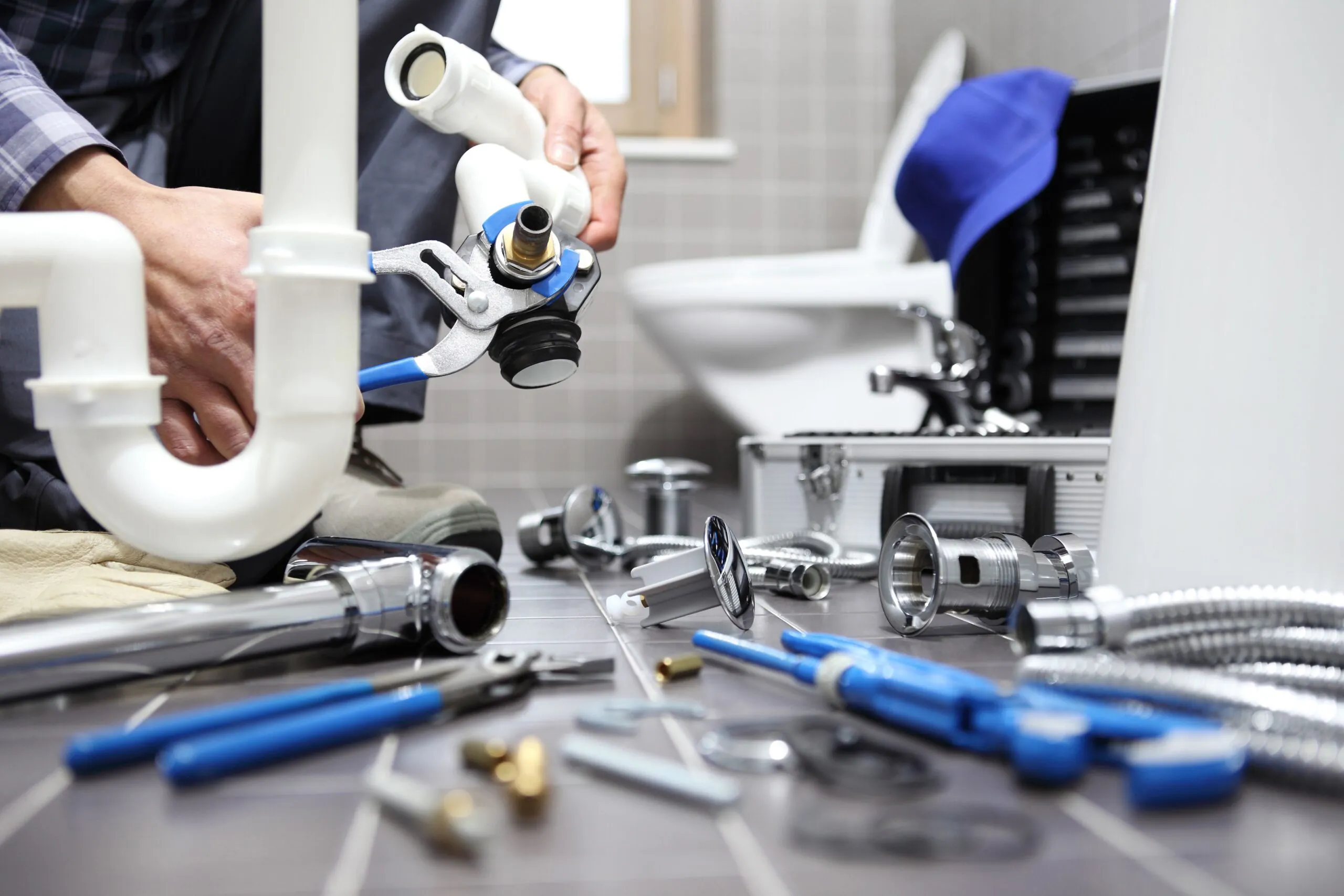
Plumbing systems are a fundamental part of every home or building, yet they often go unnoticed until a problem arises. Whether it’s a leaky faucet, a clogged drain, or a major pipe burst, plumbing issues can disrupt daily life and cause costly damage if left unaddressed. This is where the expertise of a professional plumber in Mission becomes invaluable.
A plumber is not just a tradesperson who fixes leaks; they are skilled technicians trained to install, maintain, and repair complex plumbing systems that ensure clean water supply and safe waste removal. Understanding when and why to call a plumber, what services they provide, and how to maintain your plumbing can save you time, money, and stress.
This article delves into the critical functions of a plumber, the common plumbing problems encountered in homes and commercial buildings, and practical tips to keep your plumbing in excellent condition.
The Scope of a Plumber’s Expertise
Plumbers are highly trained professionals with expertise in various areas related to water systems and sanitation. Their work spans several crucial areas:
- Installation: Setting up plumbing systems for new construction or remodeling projects, including pipes, fixtures, water heaters, and drainage systems.
- Maintenance: Routine inspections and upkeep to prevent issues like leaks, corrosion, or blockages.
- Repair: Diagnosing and fixing problems such as leaking pipes, broken fixtures, clogged drains, or malfunctioning water heaters.
- Emergency Services: Addressing urgent plumbing failures that could lead to flooding, water damage, or health hazards.
- System Upgrades: Modernizing older plumbing systems to improve efficiency, reduce water waste, or comply with current codes.
Their knowledge extends to understanding plumbing codes, safety standards, and using specialized tools and technology, ensuring repairs and installations meet all necessary requirements.
Common Plumbing Issues and How a Plumber Solves Them
Plumbing problems can vary from minor annoyances to major emergencies. Here are some of the most frequent issues a plumber handles:
1. Leaky Faucets and Pipes
Even a small drip wastes water and can increase utility bills. Leaks can also cause water damage and mold growth. A plumber can quickly identify the cause, whether it’s a worn-out washer, damaged pipe, or loose fittings, and repair it to prevent further problems.
2. Clogged Drains and Toilets
Drain blockages are common and can result from hair, grease buildup, foreign objects, or tree roots invading underground pipes. A plumber uses specialized equipment like drain snakes, hydro-jetters, or cameras to locate and clear blockages effectively.
3. Running Toilets
A constantly running toilet wastes a significant amount of water. This problem is usually due to a faulty flapper valve or fill valve, which a plumber can replace or adjust.
4. Water Heater Issues
Water heaters require regular maintenance to function efficiently. A plumber can diagnose problems like insufficient hot water, strange noises, or leaks and perform repairs or replacements as needed.
5. Low Water Pressure
Low pressure can be caused by pipe corrosion, sediment buildup, or leaks. A plumber can inspect the system to identify the cause and recommend solutions, such as pipe replacement or pressure regulator adjustment.
6. Sewer Line Problems
Sewer line issues can cause backups, foul odors, and health risks. These require professional diagnosis and repair, sometimes involving excavation or trenchless repair techniques.
Why Professional Plumbing Matters
Many homeowners attempt DIY plumbing repairs to save money. While minor tasks like tightening a faucet handle may be manageable, professional plumbers bring expertise and experience that are crucial for long-term solutions.
Improper repairs can lead to worsened damage, increased costs, or code violations. A plumber not only fixes the immediate issue but also ensures the entire system functions optimally, preventing future problems.
Professional plumbers also have access to quality parts, proper tools, and the latest technology, which allows them to work efficiently and safely. Furthermore, licensed plumbers comply with building codes and regulations, offering peace of mind.
Preventative Maintenance: Extending the Life of Your Plumbing System
Regular maintenance is key to avoiding costly emergencies. A plumber can provide routine inspections that catch small issues before they escalate. Some maintenance tips include:
- Inspect for leaks: Regularly check faucets, toilets, and visible pipes for drips or moisture.
- Drain care: Avoid pouring grease down drains, use strainers to catch hair, and schedule periodic drain cleaning.
- Water heater maintenance: Flush the tank annually to remove sediment and inspect the anode rod.
- Monitor water pressure: High pressure can strain pipes; a plumber can install pressure regulators if needed.
- Winterize pipes: In cold climates, take steps to prevent pipes from freezing, such as insulation or draining outdoor faucets.
Scheduling annual plumbing checkups with a professional plumber can help keep your system in top condition.
Emergency Plumbing Services: When Time is of the Essence
Certain plumbing problems require immediate attention to prevent extensive damage. Burst pipes, sewage backups, or major leaks can cause flooding, structural damage, and health hazards.
A plumber equipped for emergency services can respond quickly, often 24/7, to minimize damage. This includes shutting off water supplies, making temporary repairs, and restoring full function as soon as possible.
Having a trusted plumber’s contact information on hand is a smart precaution for any homeowner or business owner.
The Role of Technology in Modern Plumbing
Technology has greatly advanced the plumbing industry, allowing plumbers to diagnose and fix problems more effectively. Some examples include:
- Video Pipe Inspection: Using small cameras to visually inspect pipes for cracks, blockages, or damage without invasive digging.
- Hydro-Jetting: A high-pressure water jetting technique that clears tough blockages more thoroughly than traditional methods.
- Smart Leak Detectors: Devices that alert homeowners and plumbers to leaks in real time, reducing water waste and damage.
- Tankless Water Heaters: More energy-efficient water heating systems that plumbers can install and maintain.
Professional plumbers stay updated with these innovations to provide the best solutions to their clients.
Choosing the Right Plumber
Finding a reliable, skilled plumber is essential. Here are some tips:
- Check licenses and insurance: Ensure the plumber is certified and covered.
- Ask for references or read reviews: Satisfied customers speak volumes.
- Get multiple quotes: Compare prices and services to find good value.
- Evaluate communication: A good plumber will explain issues clearly and provide honest recommendations.
- Confirm warranty and guarantees: This protects you if problems recur.
Building a relationship with a trusted plumber means you have expert support ready whenever you need it.
Final Thoughts: The Unsung Hero of Home Comfort
A plumber plays a crucial role in maintaining the comfort, safety, and functionality of any home or business. Their expertise prevents small annoyances from turning into major disasters and helps ensure access to clean water and proper sanitation.
Understanding the importance of a professional plumber, knowing common issues, and investing in preventative care can save you significant headaches and expenses over time. Whether you’re tackling a minor repair or planning a major installation, partnering with a skilled plumber is an investment in peace of mind and quality living.