

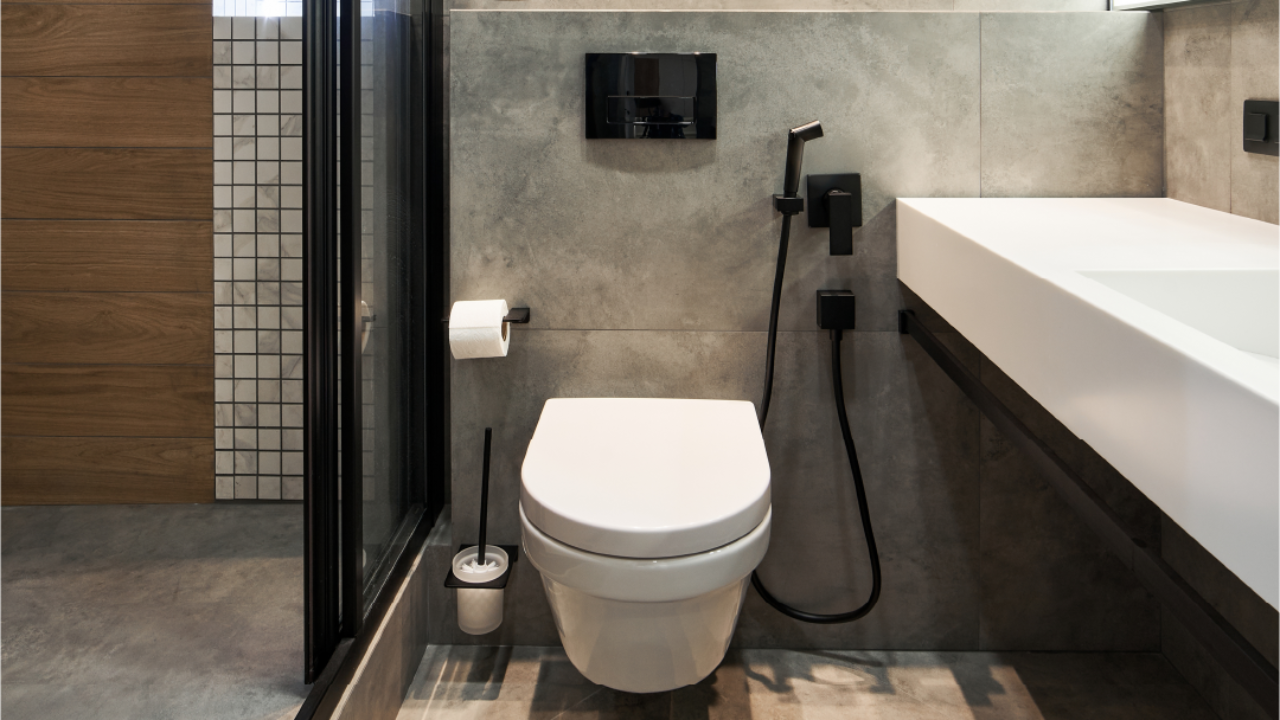
Bathroom design has never evolved as quickly as it is today. Once considered a purely functional space, the bathroom has now become a central part of modern home design—an intimate retreat where aesthetics, comfort, and technology merge. As homeowners rethink how they want their private spaces to feel and function, two innovations are gaining remarkable traction: the wall hung toilet and the smart toilet.
These aren’t just luxury upgrades or fleeting design trends. They reflect a deeper shift in how people approach cleanliness, space optimization, sustainability, and overall well-being. The question now is: will these features become the new normal in the next generation of homes?
Why Bathroom Innovation Is Accelerating
Modern lifestyles have reshaped priorities in home design. With more people working from home, investing in self-care, and seeking spa-like comfort indoors, the bathroom has become a key area for personal sanctuary. Designers are responding with solutions that promote simplicity, efficiency, and calm—qualities that both smart toilets and wall-mounted toilets naturally enhance.
Minimalism, hygiene-first design, and sustainability are pushing homeowners to reevaluate traditional fixtures. The rise of boutique hotels, wellness resorts, and high-end Airbnb experiences has also influenced expectations. People want their homes to feel luxurious, intuitive, and easy to maintain.
The Appeal of Wall Hung Toilets: More Than a Sleek Look
Few fixtures encapsulate modern design as effectively as the wall hung toilet. Its clean, floating silhouette instantly opens up a space, making bathrooms feel larger even without structural changes. This visual lightness aligns perfectly with contemporary minimalist and Scandinavian-inspired interiors.
But the benefits go far beyond aesthetics. A wall hung toilet frees up valuable floor area and simplifies cleaning since the bowl no longer connects directly to the floor. Adjustable installation height allows for a customized comfort level—an advantage appreciated by families, seniors, and individuals with accessibility needs.
Concerns about stability are common, but modern wall frames are engineered to support several hundred pounds. The steel carrier systems are built for durability, providing a secure mount that performs equally well in residential and commercial settings.
Behind the Wall: The Engineering That Makes It Possible
A major reason these toilets are gaining mainstream adoption is the remarkable engineering behind them. The concealed tank, compact frame, and insulation materials keep the bathroom quiet and visually seamless. Unlike older systems that were difficult to repair, newer designs incorporate easy-access flush plates that allow homeowners or plumbers to service internal components without removing tiles or opening up the wall.
Longevity also plays a role. Many high-quality systems are designed to last decades, making the initial investment worthwhile, especially for homeowners planning a full remodel.
The Technology Behind Smart Toilets
While wall hung toilets elevate bathroom design, smart toilets elevate daily living. With features originally popularized in luxury hotels and tech-forward countries, these fixtures are redefining hygiene and comfort at home.
A smart toilet typically includes heated seats, automatic lids, warm-water cleaning, self-sterilizing nozzles, air drying, deodorizing systems, and programmable settings for different users. Some models even incorporate soft night lighting, water-pressure memory, and energy-saving modes.
One of the biggest advantages is touchless functionality. In an era when hygiene awareness is higher than ever, being able to use a toilet with minimal contact significantly improves cleanliness. Even families with children appreciate the consistency and convenience of intelligent flushing systems.
Hygiene as a Driving Force
Smart toilets aren’t just about comfort—they address public health concerns, too. Bidet functions dramatically reduce the need for toilet paper, reducing irritation, improving cleanliness, and lowering waste. Self-cleaning features and anti-bacterial materials further limit germ buildup. This shift toward health-centered bathroom fixtures mirrors broader global trends in “healthy home” design.
How the Two Innovations Compare
Although wall hung toilets and smart toilets serve different purposes, many homeowners evaluate them side-by-side when planning a remodel.
- Wall hung toilets = space-saving, minimalist, highly aesthetic, easy to clean.
- Smart toilets = comfort-driven, hygienic, technology-rich.
An increasing number of manufacturers now combine both—creating wall hung smart toilets that deliver the floating, minimalist look along with full bidet functions and touchless operation.
Installation and Budget Considerations
Installing a wall hung toilet requires adequate wall depth and, ideally, a remodel that allows for structural reinforcement. While this increases upfront costs, many homeowners view it as an investment that improves both usability and resale appeal.
Smart toilets vary significantly in price. Basic models are affordable and easy to integrate into existing bathrooms, whereas advanced units with built-in bidet systems and automation features cost more but deliver an entirely new experience.
In many cases, people upgrade to a smart toilet after trying one in a hotel or a new-build home. The return to a traditional toilet often feels abrupt—proof of how quickly users adapt to enhanced comfort.
How Homeowners Are Responding
The feedback from people who have adopted these upgrades is overwhelmingly positive. Wall hung toilet users enjoy the feeling of extra space and appreciate how effortless cleaning becomes. For those with mobility limitations, adjustable height installation is a major advantage.
Smart toilet owners often share that the experience is transformative—especially during colder months, when heated seats and warm-water cleaning bring unexpected comfort. Families, too, praise the hygienic benefits and the reduction in household waste.
The Influence of Hospitality and Luxury Developments
Hotels, boutique accommodations, and luxury real estate developers have embraced both wall hung and smart toilets. This exposure has had a ripple effect: when travelers encounter innovative bathroom technology abroad, they often want to replicate the experience at home.
Architects and designers now include these features in mid- to high-end home projects, accelerating the trend even further.
The Future of Bathroom Innovation
The next wave of development will likely focus on sustainability and smart-home integration. Upcoming smart toilets may monitor hydration levels, detect irregularities in waste, or sync with health apps for early medical insight. Water-saving systems will become more efficient, and wall hung designs will continue to evolve toward slimmer, more customizable forms.
In the broader context of home design, these innovations represent a shift toward spaces that prioritize personal well-being, environmental consciousness, and luxurious simplicity.
Conclusion: A New Standard for Modern Living
So, will wall hung toilets and smart toilets dominate the bathrooms of the future? The answer appears to be yes—and for reasons far deeper than aesthetics alone. They combine practicality, hygiene, long-term efficiency, and contemporary design in ways that traditional fixtures simply cannot match.
Whether you’re planning a renovation or building a new home, these technologies offer meaningful, lasting value. Bathrooms may be one of the smallest rooms in the house, but thoughtful upgrades here can significantly elevate everyday life.