

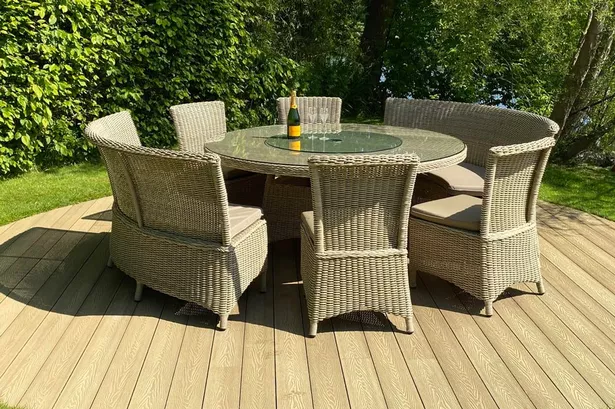
Outdoor living has become more than a trend—it’s now an integral part of modern home design. From cosy backyard patios to expansive entertainment decks, homeowners are seeking materials that combine style, durability, and sustainability. One product continues to stand out in this shift: Composite Decking. As technology evolves and consumer preferences lean toward long-lasting solutions, it’s clear that composite decking isn’t just a passing phase—it’s here to stay.
The Evolution of Outdoor Living
Traditionally, timber was the go-to material for building decks. While beautiful, natural wood often demands intensive maintenance—regular sealing, staining, and protection from pests. Over time, this can become costly and time-consuming. Composite decking emerged as a solution to these challenges, offering the warm look of wood with far fewer drawbacks. By blending wood fibres with recycled plastics, manufacturers created a product that withstands the elements while maintaining a natural appearance.
Today, many homeowners and contractors turn to trade composite decking for large-scale projects because it provides the durability needed for high-traffic areas without compromising on style. Its resistance to warping, fading, and splintering has cemented its place as the smarter alternative.
Sustainability and Eco-Friendly Design
Sustainability is at the heart of modern building trends, and composite decking fits seamlessly into this philosophy. Unlike traditional timber that contributes to deforestation, composite boards often use recycled materials. This means homeowners can enjoy a stylish, functional deck while supporting eco-conscious construction practices.
For environmentally aware consumers, composite decking represents more than just a design choice—it’s a statement of values. The ability to repurpose waste materials into something functional and attractive makes it a cornerstone of the future of outdoor spaces.
Design Versatility and Aesthetic Appeal
Composite decking is no longer limited to a handful of colours and finishes. Manufacturers have made it possible for people to choose from many shades, textures, and grain designs. Whether you prefer the classic look of oak or the sleek tones of modern grey, there’s a composite option to suit every aesthetic.
Additionally, the boards can be used creatively to frame seating areas, create multi-level decks, or complement garden features. This versatility ensures that composite decking not only enhances outdoor spaces but also allows for personalised design statements that reflect each homeowner’s style.
Long-Term Value and Cost Savings
One of the strongest arguments for composite decking is its long-term cost efficiency. Even though the original cost may be higher than for wood, the lower cost of maintenance saves a lot of money over time. There’s no need to purchase sealants, paints, or insect treatments, and cleaning is often as simple as a quick wash with soapy water.
For those planning their projects, tools like a decking calculator make it easy to estimate materials, costs, and layout options before construction begins. This not only helps with budgeting but also ensures accuracy and efficiency, especially for trade professionals handling larger projects.
A Smarter Choice for the Future
The durability, sustainability, and design flexibility of composite decking make it a future-proof choice for homeowners and builders alike as outdoor spaces continue to play a more prominent role in modern living—whether for relaxation, entertaining, or simply enjoying nature—composite materials provide the foundation for creating environments that are both beautiful and enduring.
By investing in Composite Decking, homeowners aren’t just upgrading their backyard—they’re embracing a product that aligns with the demands of the future: eco-conscious, practical, and stylish. Its proven performance and growing popularity suggest that composite decking isn’t just a modern option but the standard for tomorrow’s outdoor living spaces.