

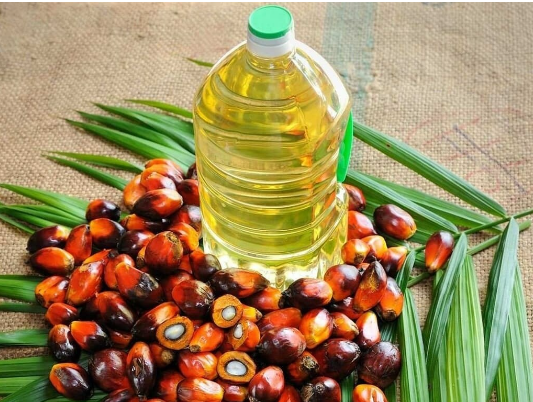
Palm oil, derived from the fruit of oil palm trees, is one of the most versatile and widely used vegetable oils globally. Its applications range from food and cosmetics to biofuels and industrial products. However, concerns over deforestation, biodiversity loss, and social issues associated with palm oil production have prompted the need for innovation and technological advancements to ensure its sustainability.
We will explore the future of palm oil production and the role of innovations and technologies in shaping its sustainability.
- Sustainable Palm Oil Production
Sustainability is paramount for the future of palm oil production. Innovations and technologies are driving efforts to make palm oil production more sustainable by minimizing environmental impact and maximizing social benefits. Sustainable practices include zero-deforestation commitments, the use of environmentally friendly cultivation techniques, and the promotion of fair labor practices. Technological advancements such as precision agriculture, remote sensing, and blockchain technology are being utilized to monitor and track palm oil production, ensuring compliance with sustainability standards and certifications. - Precision Agriculture
Precision agriculture, also known as smart farming, involves the use of technology to optimize crop yields while minimizing inputs such as water, fertilizers, and pesticides. In the context of palm oil production, precision agriculture techniques such as satellite imagery, drones, and sensors can provide valuable insights into soil health, moisture levels, and plant nutrition. By accurately assessing the needs of oil palm trees and applying inputs only where necessary, precision agriculture can enhance productivity and reduce environmental impact, leading to more sustainable palm oil production. - Genetic Engineering
Genetic engineering holds promise for the future of palm oil production by enabling the development of oil palm varieties that are more productive, disease-resistant, and adaptable to changing environmental conditions. Scientists are exploring genetic modification techniques to enhance desirable traits in oil palm trees, such as higher oil yields, shorter gestation periods, and improved resistance to pests and diseases. By breeding genetically improved oil palm varieties, the industry can increase productivity while reducing the need for agrochemicals and land expansion, contributing to sustainable palm oil production. - Biotechnology
Biotechnology offers innovative solutions for enhancing the sustainability of palm oil production. Biotechnological approaches such as metabolic engineering, synthetic biology, and gene editing can be used to optimize oil biosynthesis pathways in oil palm trees, leading to higher oil yields and improved oil quality. Furthermore, biotechnology enables the production of alternative oil sources through microbial fermentation, offering sustainable alternatives to conventional palm oil. By harnessing the power of biotechnology, the palm oil industry can reduce its environmental footprint and address consumer concerns about sustainability and biodiversity conservation. - Blockchain Technology
Blockchain technology has the potential to revolutionize the palm oil supply chain by providing transparent and immutable records of transactions and product traceability. By implementing blockchain-based systems, stakeholders can track the journey of palm oil from plantation to consumer, ensuring that it has been produced sustainably and ethically. Blockchain technology enables consumers to make informed choices about the products they purchase, empowering them to support brands committed to sustainable palm oil production. Additionally, blockchain-based certifications and verifications can incentivize producers to adopt sustainable practices, driving positive change across the palm oil industry.
The future of palm oil production hinges on innovation and technological advancements that prioritize sustainability, environmental stewardship, and social responsibility. By embracing precision agriculture, genetic engineering, biotechnology, and blockchain technology, the palm oil industry can overcome challenges and capitalize on opportunities to ensure the long-term viability of palm oil production.
Collaborative efforts among governments, industry stakeholders, and civil society are essential to drive innovation, promote sustainable practices, and create a more transparent and responsible palm oil supply chain. With continued innovation and technological progress, the palm oil industry can thrive while safeguarding the environment and supporting the livelihoods of communities dependent on palm oil production.