

Starting a family is one of the most meaningful journeys in life, but for many individuals and couples, achieving pregnancy can be more challenging than expected. Modern lifestyles, stress, hormonal imbalances, age-related factors, and various health conditions can all influence fertility. As a result, many people are exploring complementary therapies that work alongside conventional medical treatments to improve reproductive health and overall well-being.
Among the most popular holistic approaches is acupuncture, a practice rooted in Traditional Chinese Medicine that has been used for thousands of years. Today, many people seek fertility acupuncture Melbourne services as part of a comprehensive fertility plan. This approach focuses not only on reproductive health but also on creating balance throughout the body to support optimal wellness.
Understanding Fertility Challenges
Fertility issues can affect both men and women. Common factors that may contribute to difficulties conceiving include:
- Hormonal imbalances
- Irregular menstrual cycles
- Polycystic Ovary Syndrome (PCOS)
- Endometriosis
- Reduced egg quality
- Low sperm count or motility
- Stress and anxiety
- Lifestyle-related health concerns
While modern fertility treatments such as IVF and IUI have helped countless families, many individuals look for additional ways to support their reproductive health. This is where acupuncture and Traditional Chinese Medicine often become valuable components of a broader fertility strategy.
What Is Acupuncture?
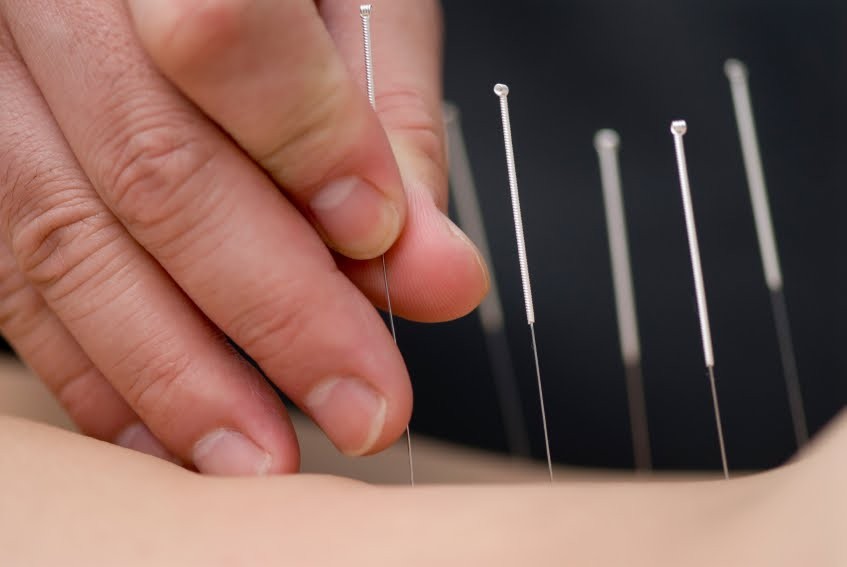
Acupuncture is a therapeutic technique that involves inserting very fine needles into specific points on the body. According to Traditional Chinese Medicine principles, these points are connected through pathways known as meridians, which help regulate the flow of energy throughout the body.
The goal of acupuncture is to restore balance and encourage the body’s natural healing processes. Modern research suggests that acupuncture may influence the nervous system, circulation, hormone regulation, and stress responses, all of which can play a role in reproductive health.
The Connection Between Stress and Fertility
Stress is often an overlooked factor when discussing fertility. The emotional strain associated with trying to conceive can be significant. Continuous worry and anxiety may affect hormonal balance and overall health.
Acupuncture sessions often provide a calming environment that promotes relaxation. Many patients report feeling more balanced, less anxious, and better able to cope with the emotional aspects of fertility challenges.
By helping reduce stress levels, acupuncture may indirectly support reproductive function and improve overall quality of life during the fertility journey.
How Acupuncture May Support Female Fertility
Women seeking fertility support frequently turn to acupuncture as part of their wellness routine. Practitioners tailor treatments based on individual health concerns and reproductive goals.
Potential benefits may include:
Supporting Hormonal Balance
Hormones play a central role in ovulation, menstrual cycles, and pregnancy. Acupuncture may help regulate hormonal activity and support reproductive function.
Encouraging Regular Menstrual Cycles
Irregular cycles can make conception more difficult. Acupuncture treatments are often designed to support cycle regularity and improve reproductive timing.
Improving Blood Flow
Healthy circulation is important for reproductive organs. Some studies suggest that acupuncture may help enhance blood flow to the uterus and ovaries, potentially creating a more supportive environment for conception.
Supporting IVF and Assisted Reproductive Treatments
Many fertility specialists and patients incorporate acupuncture alongside IVF treatments. The goal is often to improve overall wellness, reduce stress, and support the body during various stages of assisted reproduction.
Male Fertility and Acupuncture
Fertility is not solely a female concern. Male reproductive health plays an equally important role in successful conception.
Factors affecting male fertility may include:
- Low sperm count
- Poor sperm motility
- Abnormal sperm morphology
- Stress
- Lifestyle factors
Acupuncture may help support overall health and wellness, which can positively influence reproductive function. Some men choose acupuncture as part of a broader fertility plan that includes dietary improvements, exercise, and medical guidance.
The Principles of Traditional Chinese Medicine
Traditional Chinese Medicine views health as a state of balance between various systems within the body. Rather than focusing on a single symptom, practitioners assess the individual as a whole.
Treatment plans may consider factors such as:
- Sleep quality
- Digestion
- Emotional well-being
- Energy levels
- Menstrual health
- Lifestyle habits
This holistic approach is one reason why many people are drawn to Chinese Medicine Acupuncture as part of their fertility support strategy. The emphasis on overall wellness can help individuals feel empowered and actively involved in their health journey.
The Importance of Personalized Treatment
No two fertility journeys are identical. A personalized approach allows practitioners to address each individual’s unique circumstances.
An initial consultation typically includes:
- Detailed health history
- Reproductive history
- Lifestyle assessment
- Discussion of goals and concerns
Based on this information, a tailored treatment plan may be developed. This individualized approach is a key feature of Traditional Chinese Medicine and helps ensure that care is aligned with each patient’s needs.
Lifestyle Factors That Influence Fertility
While acupuncture can be an important component of fertility support, lifestyle choices also play a major role.
Nutrition
A balanced diet rich in nutrients supports overall reproductive health. Many practitioners encourage patients to consume whole foods, lean proteins, healthy fats, and a variety of fruits and vegetables.
Exercise
Moderate physical activity can help improve circulation, reduce stress, and support hormonal balance. However, excessive exercise may negatively affect fertility in some cases.
Sleep
Quality sleep is essential for hormone regulation and overall well-being. Establishing healthy sleep habits can contribute to better reproductive health.
Stress Management
Meditation, yoga, mindfulness, and acupuncture may all help reduce stress and promote emotional resilience during fertility treatment.
Combining Traditional and Modern Approaches
One of the greatest strengths of acupuncture is its ability to complement conventional medical care. Many individuals work closely with fertility specialists while also receiving acupuncture treatments.
This integrated approach allows patients to benefit from modern reproductive technologies while simultaneously supporting their physical and emotional well-being through holistic therapies.
Communication between healthcare providers can help ensure that treatments work together effectively and safely.
What to Expect During an Acupuncture Session
For those new to acupuncture, the process is often much gentler than expected.
A typical session may involve:
- A discussion about current health concerns.
- Assessment of symptoms and overall wellness.
- Placement of fine needles at specific acupuncture points.
- A relaxation period while the needles remain in place.
- Follow-up recommendations regarding lifestyle and wellness.
Many patients find the experience deeply relaxing and look forward to their sessions as an opportunity to unwind and focus on self-care.
Building a Long-Term Fertility Wellness Plan
Fertility support often requires patience and consistency. Acupuncture is generally viewed as part of a long-term wellness strategy rather than a quick solution.
A comprehensive fertility plan may include:
- Regular acupuncture sessions
- Nutritional guidance
- Stress management techniques
- Medical fertility evaluations
- Healthy lifestyle practices
- Emotional support
By addressing multiple aspects of health simultaneously, individuals can create a stronger foundation for reproductive wellness.
Conclusion
The path to parenthood can be both exciting and challenging. As more people seek holistic ways to support their reproductive health, acupuncture continues to gain recognition as a valuable complementary therapy. Whether used independently or alongside conventional fertility treatments, acupuncture focuses on promoting balance, reducing stress, and supporting overall well-being.
Many individuals exploring fertility acupuncture Melbourne services appreciate the personalized and holistic nature of treatment. Likewise, the principles behind Chinese Medicine Acupuncture offer a comprehensive approach that considers the entire person rather than isolated symptoms. Together, these practices provide a supportive framework for those seeking to improve their reproductive health and enhance their fertility journey.