

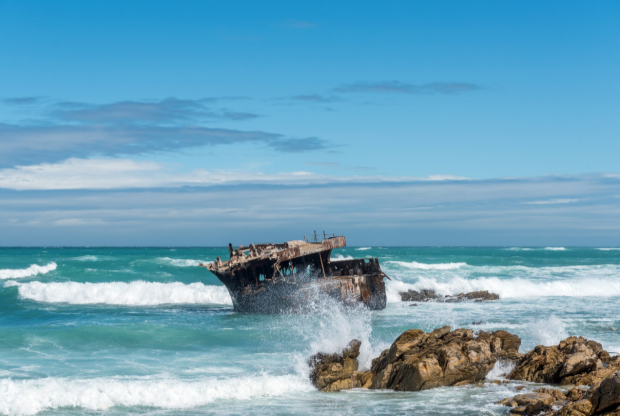
At first glance, the Baltic Sea ocean seems peaceful, its gray-blue waters calm, its winds quiet. But beneath that surface lies a deep and silent world, one filled with secrets, stories, and sunken history. Over the centuries, thousands of ships have met their fate in these waters, leaving behind a remarkable collection of shipwrecks, many of them stunningly well-preserved. Thanks to its cold, low-salinity waters and minimal underwater currents, the Baltic Sea is one of the best places in the world to find shipwrecks that have stood the test of time. These underwater relics give us a rare glimpse into everything from Viking voyages to the tragedies of world wars. Let us take you into the hidden history that rests quietly on the seafloor of the Baltic Sea ocean.
Why the Baltic Sea Preserves Shipwrecks So Well
The Baltic Sea’s unique environment plays a huge role in keeping wrecks so intact. It’s a brackish sea, meaning it’s not as salty as regular oceans. There are fewer wood-eating organisms here, like shipworms, and the cold temperatures slow down decay. As a result, wooden ships that would normally rot away in other oceans stay preserved for centuries in the Baltic’s depths. Imagine walking into a shipwreck and still seeing masts upright, ropes in place, and crates of cargo untouched. That is the reality divers face in these waters. Some of these ships feel like they sank just yesterday, it’s that surreal.
A Time Machine Beneath the Waves
Shipwrecks in the Baltic span a wide timeline. They offer us snapshots of different periods in European history from the early days of Viking seafaring to the chaos of the 20th century. Each shipwreck has its own story, and each one teaches us something new about the people who sailed, fought, traded, and lived on the sea.
Viking Ships and Burial Traditions
The Vikings were expert seafarers and were among the first to dominate the Baltic Sea region. Their longships were swift, sturdy, and designed for both raiding and trading. Over the years, several Viking ships have been discovered near the shores of Sweden, Denmark, and Estonia. One of the most significant finds was the Salme ship burial in Estonia. Though it wasn’t exactly a shipwreck, it involved two Viking ships used for a mass burial of around 40 warriors, complete with weapons and personal belongings. This discovery shed light on Viking funeral customs and their early expeditions across the Baltic Sea ocean.
Hanseatic League and the Age of Trade
In the Middle Ages, the Baltic Sea became a superhighway for trade, dominated by the Hanseatic League,a network of cities and merchants that moved goods like timber, fish, salt, and cloth. Naturally, accidents happened. Storms, piracy, and poorly built ships led to plenty of sinkings. One particularly well-preserved example is a 14th-century cog, a type of merchant ship, found off the coast of northern Germany. Archaeologists discovered barrels, tools, and even old bread inside. These trade vessels give us a rare look at how business, and even daily life, operated centuries ago.
War at Sea: Cannons, Battles, and Shipwrecks
The Baltic Sea wasn’t just a peaceful trade route. It was also a battleground. From the 16th to the 18th centuries, Sweden, Denmark, Russia, and other powers fought fiercely for naval dominance.
The Mars, a massive Swedish warship, sank in 1564 during a violent naval battle. It was found in 2011 near the island of Öland and still had cannons, helmets, and human remains on board. Another famous wreck is the Vasa, which sank in Stockholm harbor on its first voyage in 1628. Though not in deep water, it’s one of the best-preserved wooden ships in the world and now resides in its own museum.
20th Century Wrecks: Echoes of World Wars
The modern era brought new kinds of shipwrecks. During World War I and II, the Baltic Sea ocean became a deadly chessboard of naval combat, with submarines, battleships, and transport vessels going down in explosions and torpedo strikes. German U-boats like U-745 and U-479 lie at the bottom of the sea, often with their crews still aboard. The Wilhelm Gustloff, a German ship sunk in 1945 by a Soviet submarine, remains one of the deadliest maritime disasters in history, with over 9,343 lives lost. These wrecks are not just war relics, they are war graves. They remind us of the massive human cost behind the headlines of history.
More Than Just Sunken Ships
What makes the shipwrecks in the Baltic Sea ocean so important isn’t just their age or preservation. It’s the full picture they give us. Inside many of these ships are everyday objects; shoes, coins, cooking pots, tools. You can piece together how people lived, what they valued, and what they feared. Because of how intact these ships are, maritime archaeologists can study everything from ship design to trade routes. And thanks to modern technology like sonar mapping, underwater drones, and 3D scans, researchers can explore these wrecks without even touching them.
Ethical and Environmental Concerns
While these shipwrecks are fascinating, they also come with responsibility. Some are legally protected as historical sites. Others are considered war graves and should be left undisturbed out of respect. There is also the risk of looting, underwater construction, and climate change. Rising sea temperatures and pollution could eventually damage wrecks that have been preserved for hundreds of years. Countries bordering the Baltic are now working more closely to protect this shared heritage.
Artificial Reefs and Marine Life
Here is an unexpected bonus: some shipwrecks have become artificial reefs. Fish and other marine life take shelter in these underwater structures. Coral and plants grow on their surfaces. In this way, these sunken ships contribute to biodiversity in the Baltic Sea, supporting entire mini-ecosystems. However, marine growth can also threaten the structural integrity of these wrecks over time, adding another layer of complexity to their conservation.
Diving into the Past: Tourism and Education
Today, the story of these shipwrecks is being told in museums, documentaries, and even dive tours. Places like the Vasa Museum in Stockholm and the Estonian Maritime Museum attract history lovers from around the world. For certified divers, some wrecks are open for exploration. Diving among these ghostly remains is a powerful experience, it is like swimming through a frozen moment in time. Of course, these dives are highly regulated to prevent damage and ensure safety.
What’s Next for Baltic Shipwrecks?
The exploration of shipwrecks in the Baltic Sea ocean is far from over. With every new find, we learn more about how people traveled, fought, and traded in centuries past. Future discoveries may rewrite history books or bring forgotten stories back into the light. Researchers are using artificial intelligence and advanced imaging tools to search deeper and map previously unreachable wrecks. Virtual reality could one day let anyone “dive” into these shipwrecks from their living room. But as exciting as the future is, there’s also a need for care. These shipwrecks are not just curiosities; they are heritage sites, graves, and classrooms. Preserving them is about honoring the people who sailed these waters and the cultures they helped shape.
Final Thoughts
The Baltic Sea ocean may seem quiet on the surface, but below lies a hidden world full of mystery, memory, and meaning. These shipwrecks are not just wooden hulls or rusted steel, they are voices from the past, waiting to be heard. From Viking raiders to wartime sailors, the human stories buried in the Baltic remind us of our connection to the sea, our ambitions, and our fragility. As technology advances and interest grows, one thing is certain: the Baltic still has many secrets to share.