

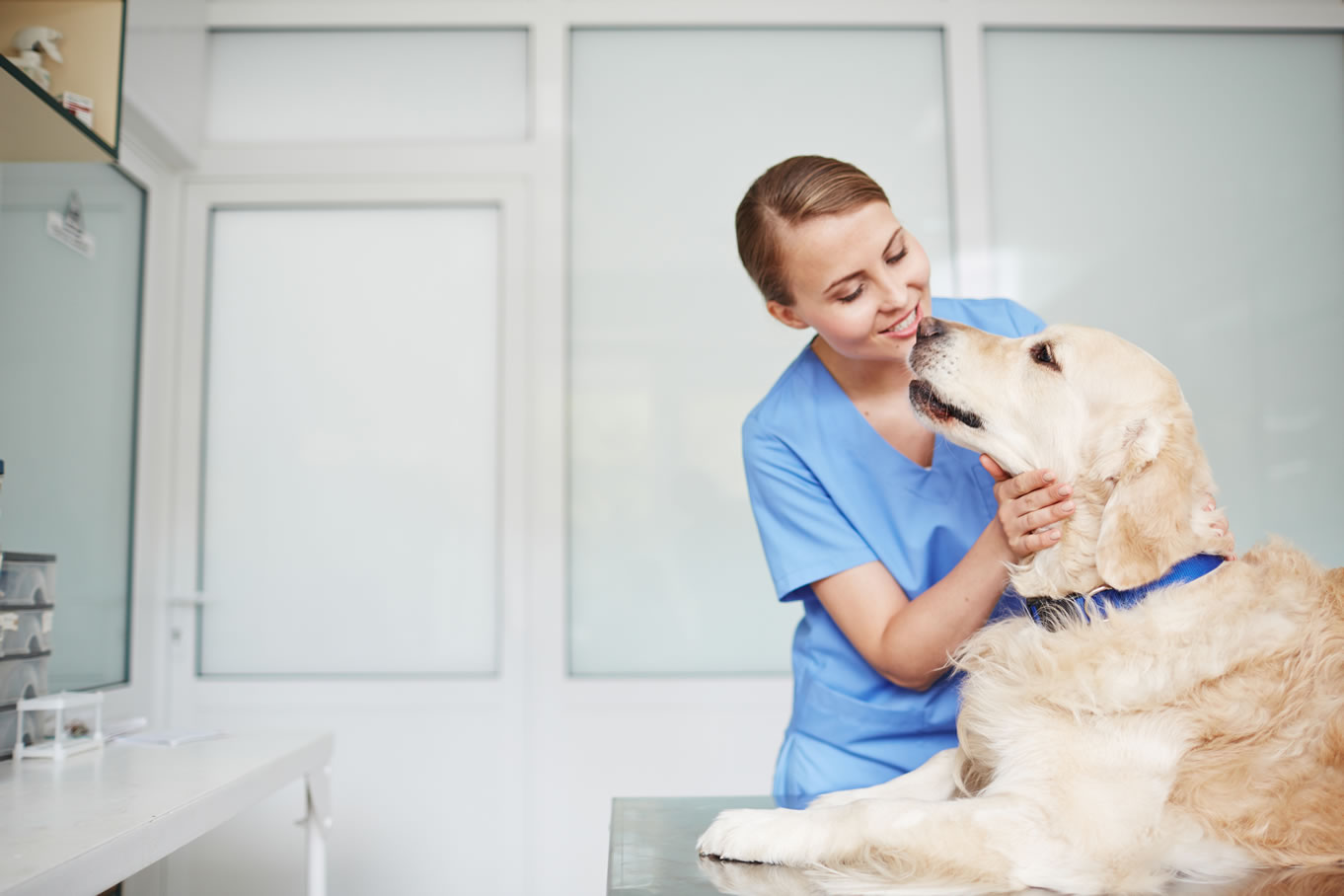
Most pet owners assume a stressful vet visit is just part of the deal. The best vets know otherwise.
If you’ve ever watched your dog tremble the moment you pull into a veterinary parking lot — or spent twenty minutes trying to coax a cat out of a carrier — you know that vet anxiety is real, and it’s exhausting for everyone involved: the pet, the owner, and the veterinary team trying to do their job.
What most pet owners don’t realize is that the stress isn’t inevitable. Skilled veterinarians have a whole toolkit of techniques — many of them invisible to the untrained eye — that can completely transform how a pet experiences a clinic visit. Here’s what’s actually happening behind the scenes when your vet seems to have a magical touch with anxious animals.
1. The Waiting Room Is a Weapon (and the Best Vets Defuse It)
Before a vet ever lays a hand on your pet, the environment has already been setting the tone. Traditional waiting rooms — full of unfamiliar smells from other animals, unpredictable noise, and nowhere to hide — are anxiety machines for cats and dogs.
Thoughtful clinics engineer around this. Separate waiting areas for cats and dogs eliminate one of the biggest stressors: the sight and smell of a predator (or prey) species across the room. Non-slip flooring reduces the panic that comes from a dog scrambling on a slick surface. Exam room windows — even just the light from them — give animals something to focus on beyond a blank wall. Pheromone diffusers, often unnoticeable to humans, release synthetic calming signals that dogs and cats recognize instinctively. These aren’t afterthoughts — in clinics that take anxiety seriously, they’re part of the blueprint from day one.
2. Low-Stress Handling: A Formal Science, Not Just a Personality Trait
When a vet seems naturally “good with animals,” there’s often more than instinct at work. A growing movement in veterinary medicine — formalized through certifications like Fear Free and Low Stress Handling — has codified the specific behaviors that reduce pet anxiety during exams.
The core principles: approach slowly, avoid direct eye contact (especially with cats, who read it as a threat), speak quietly, and never rush. Veterinary professionals trained in these techniques learn to read subtle body language signals — a pinned ear, a tail tuck, a slight shift in weight — that indicate a pet is approaching its stress threshold, and they adapt in real time.
Restraint is also reconsidered. Rather than holding an animal firmly to power through an exam, low-stress handling often involves the opposite: giving the pet more freedom of movement, allowing it to shift position, letting it sniff and explore before the exam begins. A cat might be examined while still sitting in the bottom half of its carrier rather than being lifted onto a cold metal table. A dog might receive a stream of treats throughout a blood draw so it never has the mental space to panic.
As one veterinary professional put it: “Fear Free is a culture change from the way most of us were taught how to handle animals.” The old model was control. The new model is trust.
3. Your Scent Matters More Than You Think
Here’s something most pet owners never consider: you are part of the calming strategy.
Pets are acutely tuned into their owners’ emotional states. If you’re anxious about the appointment — tensing up in the waiting room, speaking in a tight voice, gripping the leash — your pet reads that as confirmation that something dangerous is happening. Experienced veterinarians often coach owners as much as they coach the animals.
The practical application: stay loose. Talk to your pet in the same tone you’d use at home. Don’t hover or over-reassure, which can signal that comfort is needed. And if your vet gives you something specific to do during the exam — hold a treat, maintain eye contact with your dog, look away from your cat — do it. They’re not just keeping you busy.
4. Pre-Visit Medication Is Underused and Underestimated
One of the most effective tools for managing pet anxiety at the vet is also one of the most underutilized: pre-visit pharmaceuticals. These are mild anti-anxiety medications, prescribed by your vet, given at home before the appointment begins.
The logic is sound. A pet that arrives already calm is a completely different patient than one that has spent forty minutes in a carrier, worked itself into a cortisol spike, and is now in full fight-or-flight mode by the time the exam starts. A calm patient also gives more accurate diagnostic readings — heart rate, blood pressure, and even certain bloodwork values like glucose levels are measurably different in a stressed animal versus a relaxed one.
This doesn’t mean sedation. Most pre-visit medications are light anxiolytics that take the edge off without affecting the pet’s alertness or the quality of the exam. If your pet struggles with vet visits, it’s worth asking about. A vet who doesn’t bring it up unprompted may simply be waiting for you to raise it.
5. The Vet’s Demeanor Is a Clinical Tool
There’s a reason that some veterinarians walk into an exam room and animals visibly settle — and it’s not magic. Calm is contagious across species. A vet who moves deliberately, speaks in a measured tone, and doesn’t rush through an exam is actively communicating safety to the animal on the table.
Dr. Jesse Bejar of Wag Veterinary in Charlottesville, VA is a good example of this in practice. With over two decades of experience in veterinary medicine, Dr. Bejar built his clinic around an explicitly individualized approach — recognizing that each patient has different stress triggers and different thresholds. Clients repeatedly describe him as “extremely gentle” with their pets, and the Ivy, VA Area Veterinary Clinic’s five-star rating reflects what happens when that gentleness is consistent rather than situational. One reviewer noted that their dog — previously anxious at other practices — genuinely loved coming to Wag. That outcome doesn’t happen without intention.
6. Clinic Design Does More Work Than You’d Expect
The physical design of a veterinary clinic is a calming tool that operates entirely below the pet owner’s awareness. The details matter: non-slip flooring, so dogs don’t scramble and panic when placed on surfaces. Separate entrances or waiting areas for cats and dogs. Exam tables with non-cold, non-slick surfaces. Calming music (yes, there’s research on this — species-specific music has measurable effects on animal stress levels). Pheromone diffusers positioned near waiting areas and exam rooms.
Some progressive clinics have gone further, treating the physical environment as a full part of the care model. Sploot Vets, a Fear Free-certified group of clinics based in Denver, Colorado, has built its facilities from the ground up with pet anxiety in mind — private exam rooms, dedicated treat stations throughout the space, and a design philosophy that their own clients describe as immediately calming the moment they walk in. One Sploot reviewer noted that her cat, historically a nightmare at the vet, stopped panicking entirely — and credited the clean, quiet, treat-forward environment as the reason. It’s a useful illustration of what’s possible when a clinic treats design as medicine rather than aesthetics.
Hidey holes built into cat exam rooms give felines a place to retreat when they feel overwhelmed. Height-adjustable tables mean large dogs don’t have to be hoisted. Even lighting in waiting areas can be calibrated to avoid the harsh fluorescent glare that signals a clinical, unfamiliar environment.
These aren’t luxuries. They’re deliberate choices that reflect how seriously a practice takes its patients’ emotional experience.
7. The Follow-Up Matters More Than You’d Think
One underrated habit of great veterinary practices is the post-appointment follow-up call. It seems small, but it’s actually a meaningful behavioral signal to the pet owner — and indirectly, to the pet over time.
When a vet calls a few days after a visit to check how a pet is doing, it reinforces a relationship rather than a transaction. Pet owners who feel cared for are more likely to bring their animals in early when something seems off — which leads to better health outcomes and, not incidentally, fewer crises that require stressful emergency visits. It’s the kind of detail that doesn’t show up in a list of services offered, but tells you everything about how a clinic thinks about care.
What to Look for in a Vet Who’s Good With Anxious Pets
If your pet is one of the many who struggles with veterinary visits, here’s what to look for when evaluating a practice:
- Do they offer pre-visit pharmaceuticals? A vet who proactively discusses anxiety management is thinking about the whole patient.
- Is the staff genuinely calm? Rushed, loud, or distracted technicians undo whatever the vet is trying to accomplish.
- Does the clinic design reflect animal behavior? Separate cat and dog areas, non-slip flooring, and natural light are all good signs.
- Do they adapt mid-exam? A vet who pauses, changes position, or offers a treat when a pet gets tense is reading the animal — not just working through a checklist.
- Do they follow up? A call after a difficult visit signals that the relationship extends beyond the appointment.
The best veterinary visits aren’t the ones where the vet powers through despite the pet’s anxiety. They’re the ones where the anxiety barely shows up at all — because someone put in the work to make sure it didn’t have to.