

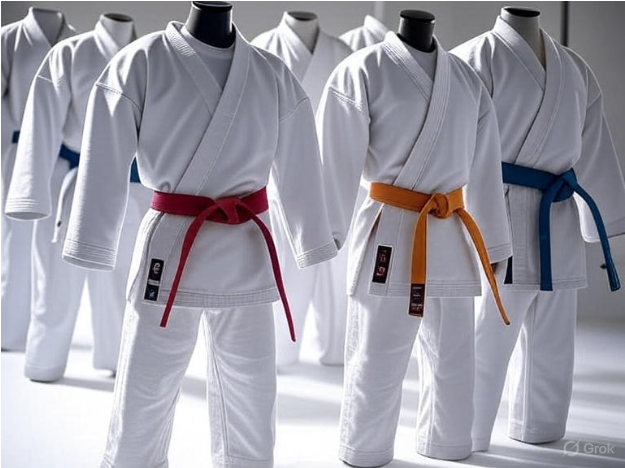
A karate uniform is more than just a piece of clothing’s a symbol of discipline, respect, and tradition. Every karateka (karate practitioner), whether a beginner or a seasoned competitor, knows the importance of having the right uniform. From training in the dojo to performing at competitions, the quality of your uniform can greatly impact your comfort, performance, and even your confidence.
In this detailed guide, we’ll explore everything you need to know about karate uniforms, their history, design, fabric choices, training vs. competition uniforms, and tips to select the best one for your martial arts journey.
The Importance of a Karate Uniform
Karate, like many martial arts, is deeply rooted in tradition. Wearing the proper karate uniform (also known as a gi) isn’t just about appearance; it represents commitment, respect for the art, and equality among practitioners.
- Respect for Tradition: The gi honors the centuries-old heritage of karate, symbolizing humility and discipline.
- Comfort and Performance: A high-quality uniform is designed to support fast, powerful, and precise movements.
- Sense of Belonging: Wearing the same style uniform as your peers creates unity within the dojo or team.
- Professional Presentation: In competitions, a neat and crisp uniform demonstrates professionalism and respect toward the judges and audience.
The History of the Karate Uniform
The karate gi is inspired by the traditional kimono and the judo uniform. When karate spread from Okinawa to mainland Japan, practitioners adopted a similar design to the judo gi, but with lighter fabric to allow for faster striking techniques.
Over time, the karate uniform evolved into different styles and weights, each designed for specific training needs, from lightweight practice uniforms to heavyweight competition gis. Today, practitioners worldwide continue to wear the gi as a mark of tradition and discipline.
Anatomy of a Karate Uniform
A standard karate uniform consists of three main components:
- Jacket (Uwagi): The upper part of the gi, designed to allow freedom of movement.
- Pants (Zubon): Loose-fitting trousers with an elastic or drawstring waist for comfort and flexibility.
- Belt (Obi): Used to secure the jacket and represent the rank of the practitioner.
Each part is carefully designed to support rigorous training and withstand the demands of martial arts.
Materials and Fabric Choices
When choosing the best karate uniform, fabric quality plays a huge role. Here are the most common options:
- 100% Cotton: Soft, breathable, and traditional. Cotton uniforms are comfortable but may shrink after washing.
- Poly-Cotton Blend: Durable, wrinkle-resistant, and less prone to shrinking. Ideal for beginners and frequent use.
- Heavy Cotton Canvas: Often used for competition uniforms. Provides a sharp, professional look and produces the signature “snap” sound during strikes.
Uniform Weight Options
Karate uniforms come in different weights, usually measured in ounces per square yard of fabric. Choosing the right weight depends on your training needs.
- Lightweight (6–8 oz): Perfect for beginners, children, and casual training. Easy to wash and quick to dry.
- Medium-weight (10–12 oz): Balanced between comfort and durability. Suitable for both training and sparring.
- Heavyweight (14–16 oz or more): Preferred by advanced practitioners and competitors. Crisp look, durable, and adds presence in tournaments.
Karate Uniforms for Training vs. Competition
Training Uniforms
- Designed for everyday practice.
- Usually lightweight or medium-weight for comfort.
- Affordable and easy to maintain.
Competition Uniforms
- Often heavier and more durable.
- Have a sharper, more professional look.
- Some designs are approved by organizations like the WKF (World Karate Federation).
- Produce the desired “snap” during techniques, enhancing presentation in front of judges.
Choosing the Best Karate Uniform
Here are some key tips to help you choose the perfect gi:
- Check Dojo or Competition Requirements: Some schools or competitions have specific rules about uniform color, brand, or style.
- Choose the Right Fabric: Beginners may prefer lightweight cotton or blends, while competitors often go for heavyweight canvas.
- Ensure Proper Fit: A uniform should allow a full range of motion without being too baggy. Always consult size charts.
- Look for Reinforced Stitching: Strong seams in high-stress areas ensure durability during sparring and grappling.
- Budget Wisely: While beginners can start with affordable GIS, advanced students should invest in premium uniforms for long-term use.
If you are looking for a new uniform, be sure to check out <a href=”https://www.karatemart.com/karate-uniforms“>these karate uniforms here</a>.
Caring for Your Karate Uniform
A karate gi represents respect not just for the art but for yourself and your peers. Proper care keeps your uniform clean, crisp, and long-lasting.
- Wash after every training session to maintain hygiene.
- Air dry when possible to prevent shrinking.
- Avoid bleach as it weakens the fabric fibers.
- Ironing can help keep the uniform sharp for competitions.
Top Features to Look For
When shopping for the best karate uniform, consider:
- Breathability: Essential for long training sessions.
- Shrink Resistance: Especially important if choosing cotton.
- Durability: Reinforced stitching and strong fabric prevent tears.
- Professional Look: Especially if you plan to compete.
- Value for Money: Balancing price with quality.
Conclusion
A karate uniform is more than training gear; it’s a statement of discipline, respect, and dedication. Whether you’re just beginning your martial arts journey or competing at the highest levels, the right uniform ensures comfort, enhances performance, and keeps you connected to karate’s rich traditions.
By selecting the best quality karate uniform, you’re not only preparing yourself for success in training and competition but also showing respect for the art of karate itself. Invest wisely, care for your gi properly, and it will serve you throughout your martial arts journey.