

Buying your first home is a big deal. It starts a new chapter full of joy, dreams, and building a future. But along with that excitement comes a fair bit of anxiety and uncertainty. You’re not just buying a house – you’re making one of the most significant financial decisions of your life. Every wall, roof, and pipe has the potential to bring comfort or cause problems later.
That’s why home inspection is so important. It brings clarity in a time of uncertainty. It helps you understand what you’re buying. An inspection shows you what’s good and what needs repairs. It points out things you might miss during a walk-through.
Most importantly, it gives you the knowledge to make informed decisions, negotiate confidently, and move forward peacefully. Before you sign anything, know exactly what you’re getting into. This article gives you an easy-to-read checklist. It helps you understand what to expect and feel confident.
1. Foundation and Structure
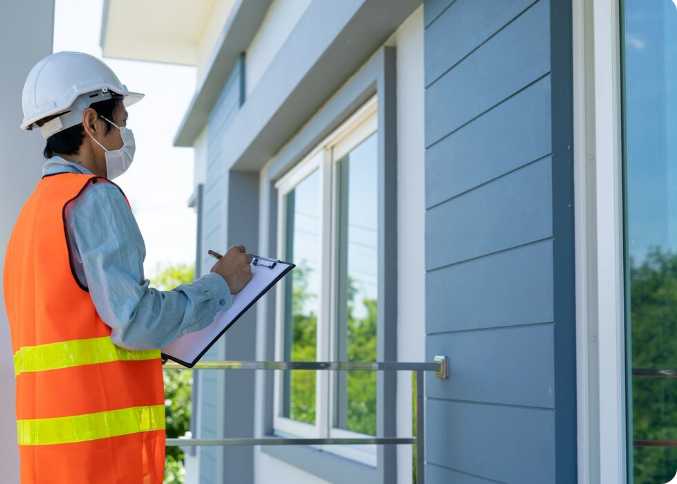
Let’s start at the bottom—the foundation and structure. Think of the foundation as the heart of the home. If it’s well, the rest can be built on it. That’s why this part is given extra care during a home inspection. The inspector looks for cracks, settling, water intrusion, and signs of structural stress. They examine the walls, floors, basement, or crawlspace to see if something looks off.
Small hairline cracks occur and are not necessarily a significant concern, but gigantic cracks or uneven floors could indicate deeper concerns that need to be repaired. A level solid foundation feels like a home that is firm and secure.
Finding problems beforehand lets you ask the right questions, know the repair quotes, and see if the house is worth the investment. That’s what a complete inspection can give you from the ground level.

2. Roofing and Gutters
After the ground has been examined, the focus shifts to what sits above the house—the gutters and roof. They are your first defense against the elements, working together to keep the inside dry and protected.
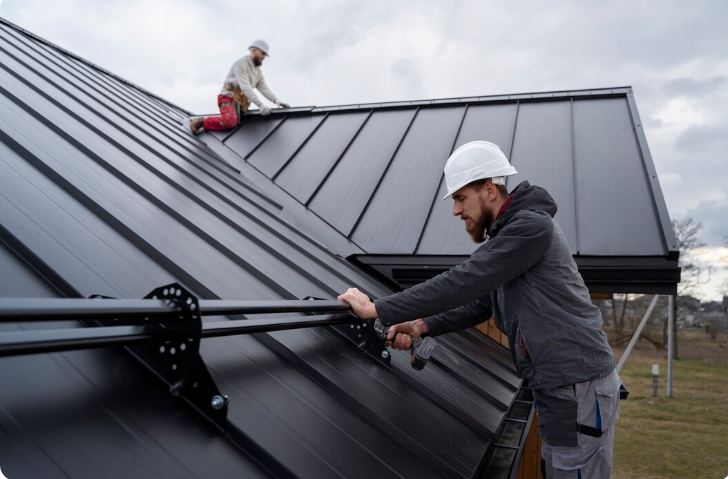
At the home inspection, the roof is thoroughly examined. Inspectors check its age, wear, and life left. They check for curled or cracked shingles, sagging areas, and evident signs of leaks. A minor problem at the top may be a significant problem if not caught early.
Downspouts and gutters are essential. They’re meant to carry rainwater off the home’s foundation and out of the yard, not flooding or causing ongoing water damage. If gutters are clogged with debris or cracked, the water will overflow and cause problems outside and inside the home. A solid, leak-resistant roof and functional gutter system are integral to a healthy, well-maintained home.
3. Plumbing and Water Systems
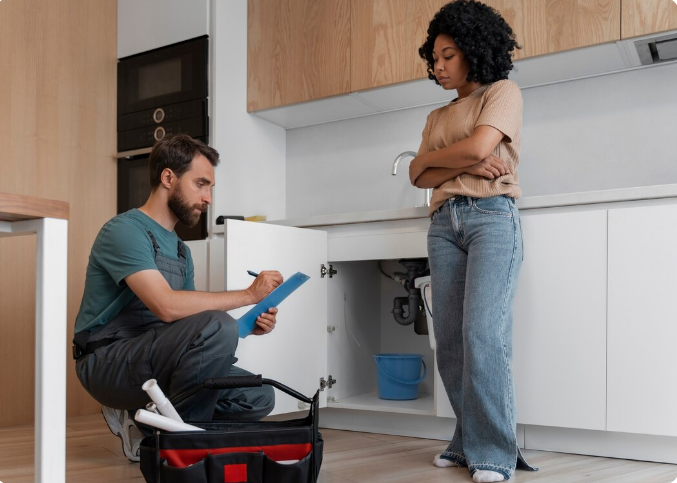
Next are the water and plumbing systems inside the home—and they’re just as critical. Water gets everything going, from stoves and washing machines to sinks and showers. When inspecting a home, the inspector checks the entire plumbing system. That includes monitoring water pressure, ensuring adequate drainage, and ensuring fixtures like toilets, sinks, and outside faucets are working correctly.
And naturally, the water heater is checked to see if it’s working efficiently and nearing the end of its lifespan. Leaks are also a problem—inspectors check under sinks, around the water heater base, and any exposed pipes to find potential issues. Even small drips can signal bigger problems behind the walls.
Remember, the substance of what is in the pipes matters too. Some houses have old pipes that need to be replaced. A well-maintained, functioning plumbing system prevents unexpected breakdowns and water damage and renders the home safe and comfortable daily.
4. Electrical System
As the inspection carries on, the electrical system becomes the focus. It energizes everything in your daily life—lights, appliances, charging outlets, etc. When inspecting a house, the inspector must ensure everything is working and safe. They’ll test outlets throughout the home to verify each is delivering power and not a danger.
The breaker panel is also inspected. Inspectors will see if it’s overloaded and all breakers are labeled and working correctly. Older homes are given special consideration where knob-and-tube or aluminum wiring may still be present—these can be hazardous and require updating.
Inspectors will look for ground fault circuit interrupters (GFCIs) in bathrooms and kitchens where water is nearby to avoid electrical shocks. A properly inspected electrical system ensures your home is safe, up to code, and ready for occupancy.
5. HVAC: Heating and Cooling
Comfort is top priority; everything depends on the home’s heating and cooling system. These systems provide optimal temperatures throughout the entire year. For this reason, the HVAC system is scrutinized during home inspection. The inspector inspects the cooling and heating units, taking into account their age, condition, and functionality. The goal with a furnace, boiler, or heat pump is to ensure that it runs efficiently and safely.
Air filters are checked to see if they’re clean or clogged, and ducts are checked for dust or obstructions that could restrict air flow. The inspector also checks the system to see if the air conditioning is cooling and the heating is warming the building correctly.
Since HVAC repairs or replacements are costly, this is part of the inspection that gives you a good idea of what to expect. Knowing how these systems perform enables you to budget and remain comfortable without incurring surprise expenses.
Final Thoughts
A home inspection gives you peace of mind. It shows you both the good and the bad. For first-time buyers, this is worth its weight in gold.
It removes a lot of guesswork and lets you buy with your eyes open. Whether it’s an old roof, a hidden plumbing issue, or the electrical system, every detail counts.